No products in the cart.

India’s Space-Tech Skyroot Secures Unicorn Valuation
Skyroot Aerospace has become India's first space-tech unicorn after raising $60 million. This milestone highlights the growing potential of the Indian space sector and its global implications.


India — Skyroot Aerospace has officially become the country’s first space-tech unicorn after securing nearly $60 million in funding. This significant milestone comes as the company prepares to launch its Vikram-1 rocket, marking a pivotal moment for both Skyroot and the Indian aerospace industry. With a valuation now reaching $1.1 billion, Skyroot is set to revolutionize access to space.
The funding round included investments from notable firms such as Sherpalo Ventures and Singapore’s GIC. This backing reflects a strong belief in Skyroot’s potential to reshape the orbital-launch market. Ram Shriram, founder of Sherpalo Ventures, emphasized the importance of making space more accessible, highlighting Skyroot’s innovative approach to delivering cost-effective launch services.
Skyroot’s Vision and Upcoming Launch
Skyroot Aerospace aims to provide customized access to space for satellite operators worldwide. The company is preparing for the maiden flight of its Vikram-1 rocket, which is designed to cater to a variety of payloads. This launch is not just a technical achievement; it represents a broader ambition to establish India as a key player in the global space economy.
Pawan Kumar Chandana, co-founder and CEO of Skyroot, expressed excitement about the upcoming launch, stating that it marks a significant milestone for both India and the global space sector. The Vikram-1 rocket is expected to enhance India’s capabilities in satellite deployment, which is crucial for various applications, including telecommunications and earth observation.
According to britannica.com, the Indian space industry has been rapidly evolving, with significant investments and advancements in technology. Skyroot’s success is indicative of this trend, as it demonstrates the increasing confidence investors have in Indian space ventures. The company’s focus on innovation and efficiency positions it well to compete in the growing global space market.
Skyroot’s success is indicative of this trend, as it demonstrates the increasing confidence investors have in Indian space ventures.
Investment Trends in Indian Space-Tech
The recent funding round for Skyroot Aerospace highlights a growing trend of investment in the Indian space sector. As the demand for satellite launches increases, more investors are recognizing the potential for returns in this burgeoning market. The Indian government’s support for private space initiatives has also played a crucial role in attracting funding.
You may also like
 AI & Technology
Higher education reallocates capital to digital platforms
The analysis that follows dissects the mechanisms, systemic implications, and stakeholder outcomes.
Read More →According to isro.gov.in, the Indian Space Research Organisation (ISRO) has been instrumental in fostering a conducive environment for private players. The establishment of IN-SPACe, a regulatory body to promote private sector participation, has paved the way for companies like Skyroot to thrive. This support is vital as it helps streamline processes and reduces barriers for new entrants in the market.
As Skyroot continues to attract investment, it sets a precedent for other startups in the space-tech domain. This momentum could lead to a wave of innovation and competition, ultimately benefiting the industry as a whole. Investors are likely to look for opportunities in emerging companies that can leverage India’s growing capabilities in space technology.

Global Significance of Skyroot’s Achievement
Skyroot Aerospace’s achievement as India’s first space-tech unicorn has significant global implications. It signals to the international community that India is serious about becoming a major player in the space industry. As the company prepares to launch its Vikram-1 rocket, it positions India as a viable alternative for satellite launches, competing with established players like SpaceX and Arianespace.
The success of Skyroot may encourage other countries to invest in their own space capabilities, fostering a new wave of global competition. This could lead to advancements in technology and reductions in launch costs, ultimately benefiting satellite operators worldwide. The increased competition may also drive innovation, as companies strive to differentiate themselves in a crowded market.
Furthermore, as India strengthens its position in the global space economy, it may attract international partnerships and collaborations. These alliances could enhance technological exchange and drive further advancements in space exploration and satellite technology.
The success of Skyroot may encourage other countries to invest in their own space capabilities, fostering a new wave of global competition.

Challenges Facing Skyroot Aerospace
You may also like
 AI & Technology
OpenAI in Talks With UAE Funds, BlackRock for $30 Billion Round
OpenAI is negotiating a $30 billion funding round with BlackRock and UAE funds, which could reshape the AI startup ecosystem and attract significant investments in…
Read More →Despite the excitement surrounding Skyroot Aerospace, the company faces significant challenges ahead. The space industry is known for its high-risk nature, and launching rockets comes with inherent uncertainties. Skyroot must navigate these challenges while maintaining investor confidence and delivering on its promises.
Additionally, as competition intensifies, Skyroot will need to continually innovate to stay ahead. The company must focus on improving its launch capabilities and operational efficiency to attract more clients. This will require ongoing investment in research and development, as well as the ability to adapt to changing market demands.
Moreover, regulatory hurdles can pose challenges for private space companies in India. While the government has made strides in supporting private initiatives, navigating the regulatory landscape will be crucial for Skyroot’s success. Ensuring compliance with safety standards and securing necessary approvals will be essential as the company moves forward.
Opportunities for Emerging Professionals in Space-Tech
The rise of Skyroot Aerospace as a unicorn has implications for young professionals entering the space and technology sectors. It showcases the potential for innovation and entrepreneurship in India, inspiring a new generation to pursue careers in aerospace and related fields. The success of Skyroot indicates that there are viable pathways for those interested in making a mark in the space industry.
Young professionals can look forward to a dynamic job market where their skills can contribute to significant advancements in technology and exploration.
As India’s space sector continues to grow, opportunities for employment and collaboration will likely expand. Young professionals can look forward to a dynamic job market where their skills can contribute to significant advancements in technology and exploration.
You may also like
 AI & Technology
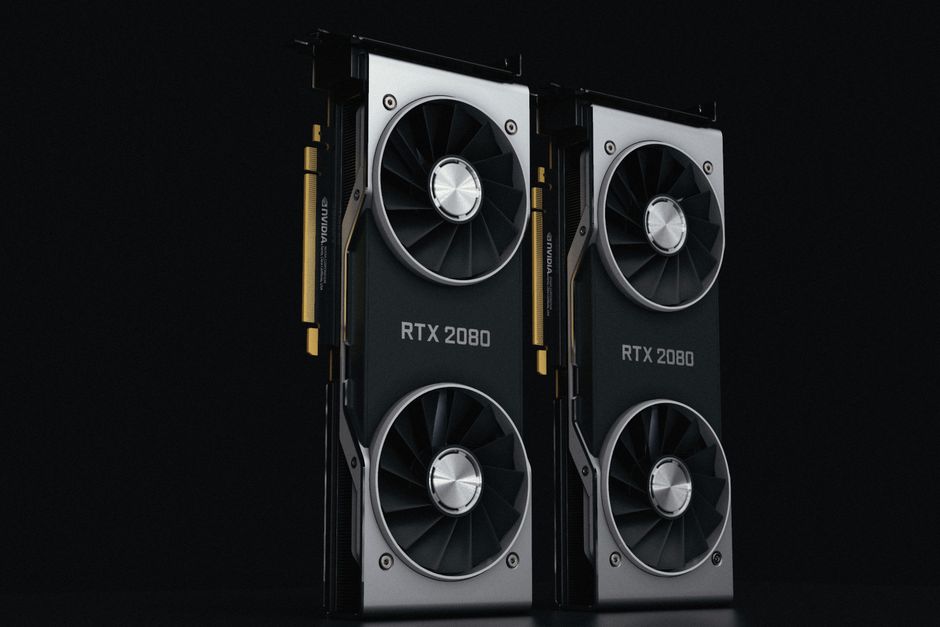
NVIDIA Boosts AI Factories with 20,000 GPUs in India, Malaysia
This expansion is part of a broader initiative to enhance computational capabilities, enabling advanced AI research and development.
Read More →The achievements of Skyroot serve as a reminder of the importance of fostering a spirit of innovation and resilience. As the industry evolves, individuals with a passion for space and technology will find ample opportunities to thrive.