
Japan is experiencing a notable economic shift as inflation returns. This change presents both opportunities and challenges for economists and business leaders, influencing investment strategies and capital allocation across various sectors. The role of the Bank of Japan’s policies is crucial in this context, as they aim to manage economic growth and inflation dynamics.
As inflation rises, the dynamics of capital investment are evolving. Companies are prompted to reassess their strategies to adapt to the changing economic landscape. This article examines how inflation in Japan is impacting investment strategies and how businesses can navigate this transition.
The Impact of Inflation on Capital Investment Decisions
Recent reports indicate that Japan’s inflation rate has seen an increase, marking a significant change from previous trends of deflation. This shift is prompting businesses to rethink their capital investment strategies.
As costs rise, companies may feel compelled to adjust their pricing strategies. This can lead to increased operational costs and affect profit margins. For instance, manufacturers might need to invest in more efficient technologies to remain competitive in a higher-cost environment. Businesses that heavily rely on raw materials could face challenges, as rising costs may impact their profitability.
Inflation also influences interest rates, which directly affect borrowing costs for businesses. As the Bank of Japan modifies its monetary policy, companies may encounter higher interest rates, potentially slowing down capital investments as firms become more cautious about incurring debt. The decision to invest in new projects or expand operations will depend on the perceived stability of the economic environment.
Businesses are encouraged to take a proactive approach to manage capital investments by closely monitoring inflation trends and adjusting budgets accordingly. Companies that can adapt to changing economic conditions may be better positioned for success in this inflationary environment.
Inflation also influences interest rates, which directly affect borrowing costs for businesses.
Shifts in Global Trade Dynamics Due to Japanese Economic Policy
The resurgence of inflation in Japan is not solely a domestic issue; it also has implications for global trade. As Japan’s economy adjusts, its trade policies may evolve, impacting international partners. Reports suggest that Japan’s exports, particularly in technology and automotive sectors, could face challenges due to rising production costs.
Global supply chains are already feeling the effects of inflation. Many companies are reassessing their sourcing strategies. For example, businesses that depend on Japanese suppliers may experience increased costs, which could create a ripple effect across various industries. This situation might lead companies to seek alternative suppliers or relocate production to countries with lower operational costs.
Furthermore, as inflation affects currency values, the yen may experience fluctuations against other currencies. This could enhance the competitiveness of Japanese exports globally but also increase import costs. Companies will need to navigate this complex environment to maintain profitability while adapting to market changes.
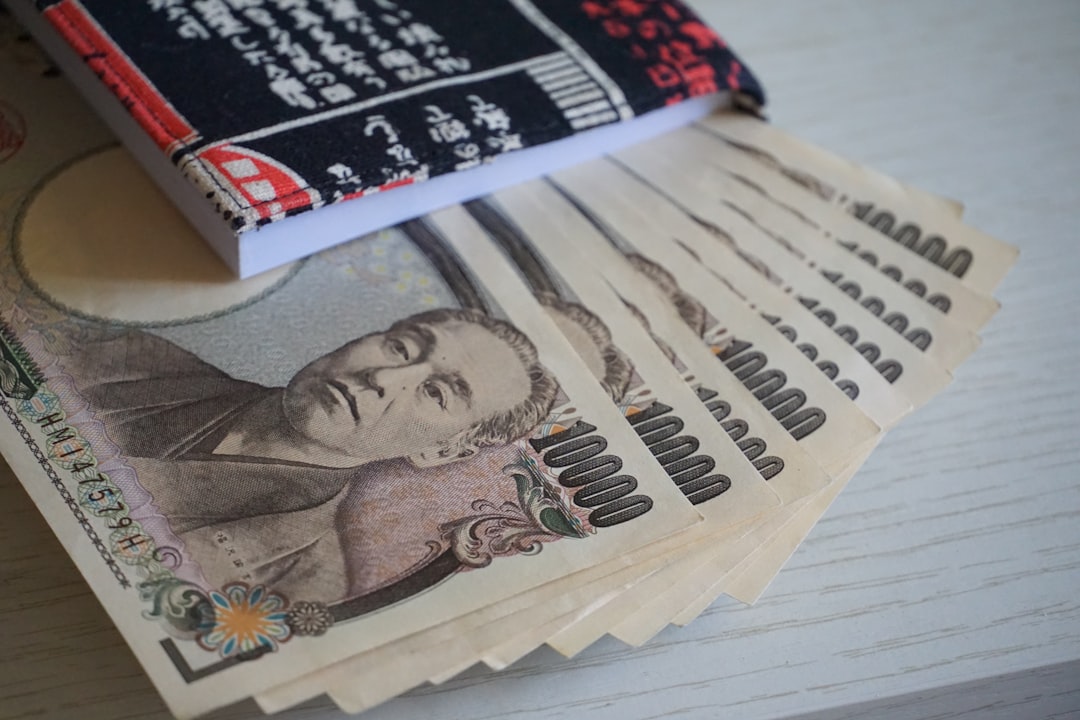
To mitigate risks associated with inflation and shifting trade dynamics, businesses might consider diversifying their supply chains. This strategy can reduce dependence on any single market and provide greater flexibility in responding to economic shifts.
Strategies for Managing Inflation-Related Risks in Business Effectively managing inflation-related risks requires robust financial strategies.
Strategies for Managing Inflation-Related Risks in Business
Effectively managing inflation-related risks requires robust financial strategies. This includes revising pricing models and exploring cost-cutting measures without compromising product quality. Companies that adjust their pricing strategies may retain customer loyalty while safeguarding profit margins.
Investing in technology can also enhance operational efficiency and lower costs. Automation and data analytics can offer insights into spending patterns and identify areas for savings. As inflation rises, businesses that embrace technology may gain a competitive advantage.
In addition to operational adjustments, companies should consider financial strategies to hedge against inflation. Utilizing financial instruments for hedging can help protect their bottom line from unpredictable cost increases. Firms that adopt hedging strategies may stabilize their financial performance amid volatile economic conditions.
Ultimately, the capacity to adapt to inflationary pressures will be crucial for business success in Japan. As the economic landscape evolves, companies must remain agile and responsive to changes in consumer behavior and market dynamics.
Japan’s inflationary environment poses both challenges and opportunities for businesses and economists alike. Navigating these complexities will be essential for shaping future investment strategies in the region. As inflation continues to rise, the question remains: how will Japanese businesses adjust their strategies to stay competitive and ensure sustainable growth?
Navigating these complexities will be essential for shaping future investment strategies in the region.
Frequently Asked Questions
What are the current inflation trends in Japan and their impact on investment?
Japan’s inflation rate has seen an increase recently, prompting businesses to reconsider their capital investment strategies. This rise impacts pricing, operational costs, and borrowing rates, influencing overall investment decisions.
How should business executives adjust their strategies in response to Japan’s economic changes?
Business executives should closely monitor inflation trends and adjust pricing models, improve operational efficiencies, and rethink supply chain strategies. Companies that proactively adapt are more likely to maintain competitiveness.

What risks should economists consider when analyzing Japan’s inflationary environment?
Economists should consider rising production costs, shifts in global trade dynamics, and changes in consumer behavior. Understanding these factors is crucial for predicting future economic trends in Japan.
Written by Career Ahead AI. AI can make mistakes, so verify key facts. Report errors to support@careeraheadonline.com.