No products in the cart.

Memorial Design Trends Shaping Urban Spaces Today
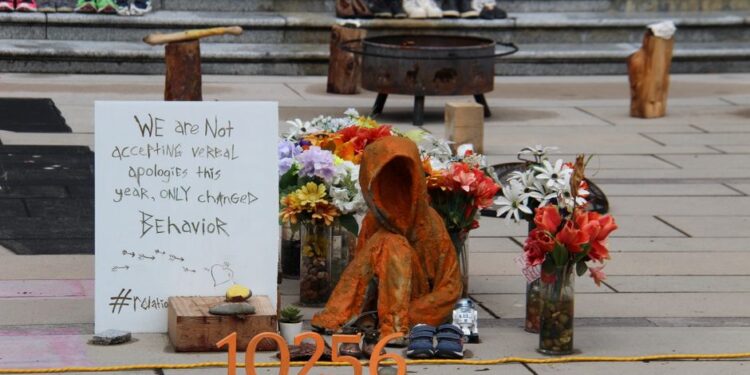
Recent trends in memorial design are reshaping urban spaces, offering landscape architects and urban designers unique opportunities to address social issues. The influence of Black architects and the integration of public art are key themes driving this change.

Washington, United States — Recent changes in memorial design are reshaping urban spaces across the country. Landscape architects and urban designers are increasingly tasked with creating memorials that reflect social issues and community stories. This change is clear in projects that honor historical events and figures while addressing modern social justice themes.
The Hirshhorn Museum in Washington, D.C., leads this movement. It showcases memorials that connect with today’s societal challenges. A new sculpture garden highlights the contributions of Black architects and artists. This initiative shows how memorials can serve as tributes and platforms for dialogue about race, identity, and community.
Embracing Social Themes in Memorial Design
Career Ahead’s analysis reveals that integrating social themes in memorial design is essential for landscape architects and urban designers. As communities confront historical injustices, memorials are created to promote healing and reflection. Engaging with local communities is vital to ensure that memorials resonate with their stories and experiences.
The recent unveiling of the Desert Storm Memorial in Washington, D.C., illustrates how design can capture complex historical narratives. This memorial honors veterans and invites viewers to reflect on the broader implications of war and peace. Such projects require landscape architects to use innovative design strategies that evoke emotional responses while respecting the subjects being memorialized.
Additionally, the focus on Black architects in modern memorial design is changing the field. According to the U.S. Army War College, these architects bring unique perspectives that challenge traditional design norms. Their work emphasizes inclusivity, representation, and the importance of cultural context. This shift allows for a richer, more diverse array of memorials that can speak to various communities.
As urban designers incorporate these themes into public spaces, they create environments that honor the past and inspire future generations. Community engagement in the design process ensures that these memorials reflect the values and histories of those they represent, making them more impactful and relevant.
Their work emphasizes inclusivity, representation, and the importance of cultural context.
Opportunities for Urban Designers in Public Spaces
You may also like
 Industry & Global Trends
US Manufacturing Expansion Continues Despite Mounting Costs
The current expansion comes at a time when costs are climbing, driven by inflationary pressures and supply chain disruptions. A report by Manufacturing Dive indicates…
Read More →The rising demand for memorials and public art projects offers significant opportunities for urban designers. As cities evolve, there is a need to integrate memorials into urban landscapes. Urban designers can create spaces that are both functional and meaningful.
Career Ahead research shows that urban designers who focus on memorial and public art projects will see increased demand for their skills. This trend aligns with a broader movement towards placemaking, which aims to create vibrant, inclusive spaces that reflect community character. By collaborating with artists, historians, and community members, urban designers can develop projects that resonate with the public.
Moreover, integrating technology into design processes opens new avenues for urban designers. Interactive memorials with digital elements can engage visitors in unique ways, creating a more immersive experience. These innovations attract visitors and encourage ongoing dialogue about the themes the memorials represent.
Career Ahead’s analysis indicates that urban designers will need to adapt their approaches to meet the evolving needs of communities.
As urban designers embrace these opportunities, they shape how communities remember and engage with their histories. By designing spaces that honor the past while looking towards the future, they contribute to a more cohesive and reflective urban environment.
In light of these trends, the roles of landscape architects and urban designers are evolving. They are no longer just builders of spaces; they are storytellers, weaving narratives into the fabric of urban life.
Looking Ahead: The Future of Memorial Design
As urban design continues to change, the future of memorial design looks promising. The growing focus on social justice and community engagement suggests that memorials will become even more integral to urban spaces. Career Ahead’s analysis indicates that urban designers will need to adapt their approaches to meet the evolving needs of communities.
You may also like
 Industry & Global Trends
Starship’s 1,800 Launches Needed for Space Data Centers
Google's recent announcement emphasizes that SpaceX's Starship must complete 1,800 launches to enable the deployment of orbital data centers, a target that presents significant challenges…
Read More →One trend to watch is the rise of temporary memorials that respond to current events. These installations can serve as powerful statements, allowing communities to process grief and commemorate loss in real-time. Recent protests and movements show that temporary memorials can capture the spirit of a moment, making them relevant and impactful.

Furthermore, collaboration between landscape architects and urban designers will likely deepen. By working together, they can create holistic designs that honor the past while promoting healing and social cohesion. This interdisciplinary approach will be essential as communities navigate complex social issues through design.
In conclusion, integrating memorials into urban spaces is more than a design trend; it reflects society’s values and priorities. As landscape architects and urban designers continue to shape these spaces, their work will play a pivotal role in how communities remember and engage with their histories.
Career Ahead’s research shows that successful memorial design involves community engagement, historical accuracy, and emotional resonance.
Frequently Asked Questions
What are the best practices for designing memorials in urban settings?
Career Ahead’s research shows that successful memorial design involves community engagement, historical accuracy, and emotional resonance. Designers should collaborate with local stakeholders to ensure that the memorial reflects the community’s values and stories.
How can urban designers incorporate social justice themes in their projects?
Urban designers can include social justice themes by engaging with marginalized communities. Ensuring their voices are represented in the design process is key. This can involve using inclusive design practices and emphasizing diverse narratives in memorials and public art.
What should landscape architects consider when working on public art installations?
Landscape architects should consider cultural context, accessibility, and sustainability. Collaborating with artists and community members can help create installations that are meaningful and resonate with the public.
You may also like
 Industry & Global Trends
U.S. Bond Yields Hit Highest Level Since 2002
The yield on 10-year U.S. Treasury notes has surged to 5.34 percent, the highest level since 2002, impacting various sectors including real estate and corporate…
Read More →