The Nasdaq Composite index rose over 1% on July 6, 2026, driven by a rally in chip stocks related to AI. Broadcom's partnership with Apple highlights the growing demand for advanced chip technology. The semiconductor industry is poised for significant growth as companies invest in AI, leading to increased hiring and demand for skilled professionals.
The Nasdaq Composite index rose over 1% on July 6, 2026. This increase was driven by a rally in chip stocks, especially those related to artificial intelligence (AI). The surge followed Broadcom’s announcement of a partnership with Apple to develop custom chips through 2031. The S&P 500 and the Philadelphia Semiconductor index also gained significantly. This reflects strong investor confidence in the tech sector as companies prepare for a busy earnings season.
Broadcom’s deal with Apple marks a key moment for the semiconductor industry. The agreement strengthens their partnership and shows the growing demand for advanced chip technology for AI applications. This trend may lead to increased hiring in the semiconductor sector, especially for roles focused on AI integration. The Economic Times notes that this rally reflects a broader market trend. Investors are increasingly interested in companies that will benefit from the AI boom.
Increased Demand for Chip Design Engineers
As the tech industry shifts towards AI-driven solutions, the demand for chip design engineers is set to rise sharply. Career Ahead’s analysis shows that companies like Broadcom are looking for engineers who specialize in AI-related chip development. This shift is due to the need for more advanced chips that can support AI applications.
Data from the Semiconductor Industry Association indicates that the global semiconductor market will grow significantly in the coming years. AI and machine learning will be major contributors to this growth. As companies invest in AI technologies, the need for skilled chip design engineers will be critical. Engineers with experience in AI algorithms, hardware design, and system integration will be in high demand. The Bloomberg report highlights that current market dynamics are pushing companies to innovate quickly. This increases the urgency to hire top talent in this field.
The competition for talent is growing. Major players like Broadcom and other tech giants are ramping up their hiring. Engineers can expect better job prospects and potentially higher salaries. Career Ahead research finds that engineers specializing in AI chip design could see salary increases of 20% or more. Companies are competing for top talent in this niche area. The semiconductor sector is experiencing a renaissance, with investments pouring in from various stakeholders eager to benefit from the AI revolution.
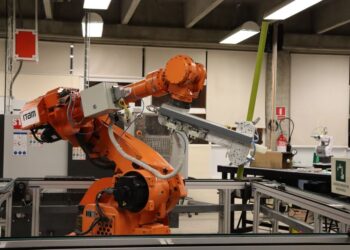
Divergent Technologies is set to revolutionize defense manufacturing through advanced technologies like 3D printing, aiming to enhance efficiency and reduce costs.
Engineers should focus on developing skills in AI hardware design, machine learning integration, and data processing.
As the semiconductor industry evolves, professionals must stay ahead. Engineers should focus on developing skills in AI hardware design, machine learning integration, and data processing. Those who adapt to these changing demands will lead in a booming job market. The implications extend beyond immediate hiring needs. As companies innovate and expand their AI capabilities, new roles will emerge, creating a ripple effect throughout the industry.
Opportunities for AI Product Managers
The rally in chip stocks also offers a unique opportunity for AI product managers. As companies like Broadcom expand their AI chip technology, product managers will be crucial in guiding product development. Their expertise will help align product features with market needs and ensure successful launches.
Career Ahead’s analysis shows that AI product managers are increasingly in demand. Companies want to capitalize on the growing need for AI solutions. The integration of advanced chips into various applications means product managers must work closely with engineering teams. They need to create products that effectively leverage these technologies. The Bloomberg podcast emphasizes that understanding the technical aspects of AI chips will be vital for product managers. This knowledge will help them navigate the complexities of product development in this rapidly changing landscape.
Additionally, the rise of AI in the semiconductor space will likely lead to new product categories and innovations. Product managers who can spot emerging trends and consumer needs will be invaluable. They must understand both the technical aspects of AI chips and the market dynamics driving demand. As the tech landscape shifts, AI product managers should enhance their skills in data analysis, market research, and project management. Those who navigate the complexities of AI product development will be well-positioned for career advancement in this thriving sector.
The current dynamics in the semiconductor industry, driven by the rally in chip stocks, create a landscape ripe for growth and innovation. As companies invest in AI technologies, the demand for skilled professionals will only increase. This will shape the future of work in this sector. The implications of this rally extend beyond immediate hiring needs, indicating a long-term trend that could redefine the semiconductor job market.
The competition for AI talent between the US and China is growing, with significant implications for job opportunities and recruitment strategies in the field. The…
As the tech landscape shifts, AI product managers should enhance their skills in data analysis, market research, and project management.
Frequently Asked Questions
What skills should chip design engineers develop to stay competitive in the AI market?
Chip design engineers should enhance their skills in AI hardware design, machine learning integration, and data processing. These skills will be critical for career advancement as companies seek engineers who can create efficient chips for AI applications.
How can AI product managers leverage the current chip stock rally for career advancement?
AI product managers can align their product strategies with emerging AI technologies. By understanding market trends and consumer needs, they can guide product development that capitalizes on the demand for AI-driven solutions.
What should chip design engineers do about the increasing demand for AI-related skills?
Chip design engineers should seek training and professional development in AI technologies. Staying updated on industry advancements and enhancing relevant skills will ensure they remain competitive in the evolving job market.




Industry & Global Trends
 Industry & Global Trends