
No products in the cart.

New UK gas and oil projects are a ‘no-brainer’, says EDF boss
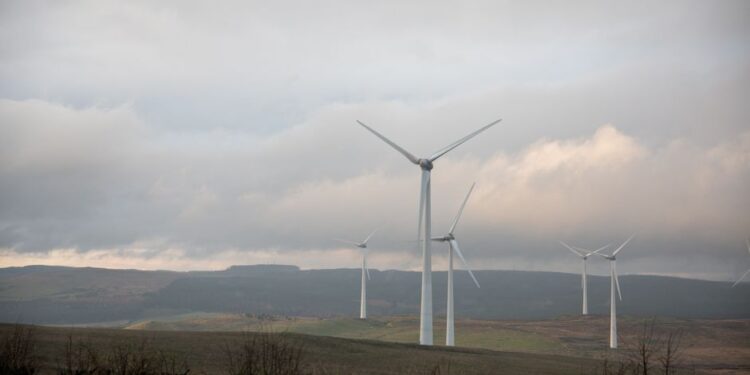
Rossi's comments align with a growing sentiment among energy leaders advocating for increased domestic fossil fuel production. He emphasized that locally sourced fossil fuels have lower emissions than imports, as they do not require extensive transportation. This perspective is crucial, especially in a time when energy prices are volatile.

UK — EDF Energy’s chief executive, Simone Rossi, recently stated that new gas and oil projects in the North Sea are a “no-brainer” for the UK energy sector. This statement, made on September 30, 2026, comes as the government prepares to decide on key projects like the Rosebank and Jackdaw fields. Rossi argues that these developments do not contradict the UK’s net-zero goals and could significantly benefit the economy.
Rossi’s comments reflect a growing sentiment among energy leaders who support increased domestic fossil fuel production. He emphasized that locally sourced fossil fuels have lower emissions than imports because they do not require extensive transportation. This view is especially important now, as energy prices are volatile and the demand for stable energy sources continues to rise. The Guardian reported that EDF’s endorsement comes amid pressure on the UK government to balance energy security with climate commitments, highlighting the complexities of the current energy landscape.
Opportunities for Project Managers in Oil and Gas
The endorsement from EDF presents a unique opportunity for oil and gas project managers. As the UK government considers approving new projects, there will likely be an influx of funding for these developments. This could lead to many new roles in project management, especially in overseeing planning and execution of new drilling operations.
With the expected growth in project funding, oil and gas project managers will need to adapt their skills. They must manage hybrid energy projects that include both fossil fuels and renewable energy sources. As energy policies shift, project managers must navigate the complexities of these dual approaches.
Moreover, the anticipated job creation from new projects could significantly impact local economies. The development of North Sea fields is expected to generate thousands of jobs, not just in project management but also in related sectors like supply chain management, engineering, and environmental consulting. According to EDF Energy’s projections, expanding oil and gas operations could lead to a substantial increase in employment opportunities, especially in regions that have relied on the energy sector for economic stability.
The need for skilled professionals in the oil and gas sector is likely to rise, emphasizing the importance of specialized training programs that prepare project managers for upcoming opportunities. This shift may create a competitive landscape where professionals with hybrid energy management skills will be in high demand. As the industry evolves, project managers will need both technical expertise and a strong understanding of environmental regulations and sustainability practices.
This shift may create a competitive landscape where professionals with hybrid energy management skills will be in high demand.
Shifts in Energy Policy and Analysis
For energy policy analysts, EDF’s support for new oil and gas projects signals a potential shift in the UK’s energy strategy. As the government weighs the benefits of domestic fossil fuel production against environmental concerns, analysts must examine how these developments align with the UK’s long-term climate goals.
You may also like
 Industry & Global Trends
Divergent Targets Faster, Cheaper Defense Production
Divergent Technologies is set to revolutionize defense manufacturing through advanced technologies like 3D printing, aiming to enhance efficiency and reduce costs.
Read More →Research indicates that approving projects like Rosebank and Jackdaw could lead to significant changes in energy policy frameworks. Analysts will play a critical role in assessing the implications of increased fossil fuel production on the UK’s commitment to reducing carbon emissions. This includes evaluating potential environmental impacts and the effectiveness of regulations governing these new projects. The Guardian notes that political discourse around these projects is intensifying, with various stakeholders advocating for both economic growth and environmental protection, complicating the decision-making process.
Furthermore, the political landscape surrounding energy policy is evolving. Various stakeholders, including environmental groups and trade unions, are voicing their opinions on fossil fuel projects. Energy policy analysts must remain vigilant, as their insights will be essential in shaping a balanced approach that considers economic growth while addressing climate change challenges. As the government navigates these competing interests, analysts will be crucial in providing data-driven recommendations that reflect the complexities of the energy transition.

As energy policies adapt to these new developments, analysts must provide data-driven recommendations to policymakers. This requires a deep understanding of both the economic benefits of domestic energy production and the environmental responsibilities that come with it. Ongoing discussions around the Rosebank and Jackdaw projects will likely set a precedent for future energy policies, influencing how the UK balances its fossil fuel reliance with its renewable energy commitments.
In this context, energy policy analysts must also prepare for potential backlash from environmental advocates. Approving new fossil fuel projects may provoke protests and calls for stricter regulations, complicating the policy landscape. As reported by The Guardian, public sentiment is increasingly polarized. Analysts will need to anticipate and address the concerns of various stakeholders to foster a more inclusive dialogue on energy policy.
Economic Implications of New Projects
The endorsement of new gas and oil projects is set to create a ripple effect throughout the UK economy. As EDF and other energy leaders advocate for increased domestic production, job creation could significantly bolster local communities. The energy sector has historically been a major employer, and current developments could enhance this trend.
The energy sector has historically been a major employer, and current developments could enhance this trend.
Analysis finds that anticipated job growth will not be limited to direct roles in oil and gas extraction. Indirect job creation in sectors like construction, logistics, and technology will also see a boost as new projects require extensive support services. This interconnectedness highlights the importance of a robust energy sector for overall economic health.
You may also like
 Industry & Global Trends
AI Talent Race Between US and China Is the Next Battleground
The competition for AI talent between the US and China is growing, with significant implications for job opportunities and recruitment strategies in the field. The…
Read More →Moreover, increased tax revenues from these projects could provide the government with additional resources for public services and infrastructure development. This financial influx may be particularly beneficial in regions reliant on energy jobs, where economic diversification is essential.

However, the growth in fossil fuel projects raises questions about the future of renewable energy investments. As the UK government balances its energy portfolio, it must ensure that the push for oil and gas does not undermine progress in renewable energy initiatives. Energy policy analysts and project managers must work together to navigate this complex landscape.
The ongoing developments in the UK energy sector are a crucial test of the government’s commitment to a balanced energy strategy. Decisions made in the coming weeks regarding the Rosebank and Jackdaw projects will set a precedent for future energy policies and their implications for both fossil fuels and renewables.
As the UK moves forward, it will be essential to monitor how these projects influence the job market and energy policy frameworks. The intersection of economic growth and environmental responsibility will remain a focal point for stakeholders across the energy sector.
Oil and gas project managers will need a mix of technical and leadership skills.
Frequently Asked Questions
What are the project management skills needed for new oil and gas projects?
Oil and gas project managers will need a mix of technical and leadership skills. Expertise in project planning, risk management, and regulatory compliance will be essential. Strong communication skills are also important to coordinate with diverse teams.
How will EDF’s stance affect energy policy in the UK?
EDF’s support for new gas and oil projects may lead to a shift in energy policy frameworks. This will emphasize domestic fossil fuel production while balancing environmental concerns. Analysts will need to assess the long-term implications of this dual approach.

What should oil and gas project managers do to prepare for upcoming projects?
You may also like
 Industry & Global Trends
Hormuz Crude Oil Exports Near Pre-War Levels
The return to pre-war export levels is crucial as it indicates a stabilization in the oil market. Producers and shipping industries have adapted by employing…
Read More →Project managers should focus on developing skills in hybrid energy management and staying informed about regulatory changes. Enhancing expertise in both fossil fuels and renewables will be critical to adapting to the evolving energy landscape.









zFyJEttHFTbNnLBfXzjVxrP