No products in the cart.

Nvidia Announces Significant Price Increases for AI Products
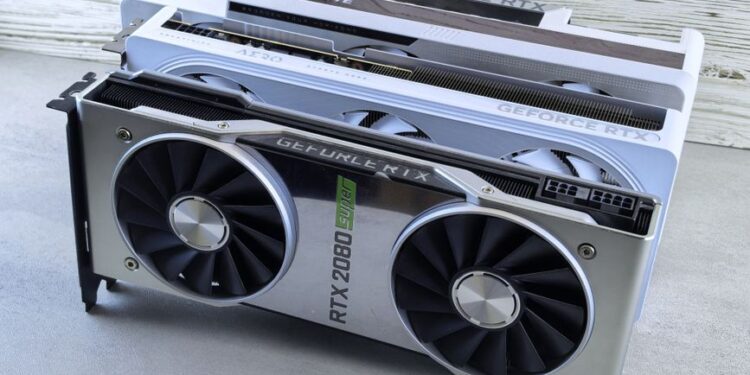
Nvidia has announced price hikes of over 15% on its AI-related products, impacting customers across various sectors reliant on GPU technology for data science and machine learning. The increases could force companies to adjust budgets, potentially stifling innovation and slowing the development of new AI technologies.

Nvidia has announced price hikes of over 15% on its AI-related products. This change affects many customers who rely on Nvidia GPUs for data science and machine learning projects. The announcement was made on August 22, 2026, and impacts a wide range of clients, especially in sectors that heavily use artificial intelligence.
The price increases come as demand for Nvidia’s GPU technology is rising. This surge is driven by rapid advancements in AI applications across various industries. Nvidia’s chips are essential for tasks like deep learning, data analysis, and AI model training. These price hikes are particularly concerning for data scientists and cloud ML engineers. According to a report by Reuters, the hikes could force companies to adjust their budgets for AI initiatives.
Rising Costs and Project Budgets
With the recent price hikes, data scientists and cloud ML engineers will face higher operational costs. Career Ahead’s analysis shows that these extra expenses may force teams to reevaluate their project budgets. For example, a project that initially budgeted $100,000 for GPU resources might now cost $115,000 or more, depending on usage and the specific Nvidia products involved.
This rise in costs can lead to tough decisions about project scope and resource allocation. For many organizations, especially startups and smaller companies, these hikes could mean scaling back on ambitious AI initiatives or delaying projects altogether. The increased financial burden could stifle innovation and slow down the development and deployment of new AI technologies. As highlighted by CNBC, the financial strain from these price hikes could lead companies to rethink partnerships and collaborations to cut costs.
Moreover, these price hikes may create a ripple effect throughout the AI ecosystem. As companies adjust their budgets, they might cut back on hiring or reduce investments in research and development. This could hinder the overall growth of the AI sector, as fewer resources are allocated to exploring new ideas and technologies. The potential for reduced hiring could also worsen the existing talent shortage in the AI field, making it harder for companies to find skilled professionals.
Career Ahead research indicates that teams relying heavily on Nvidia products will need to explore alternative hardware options to manage rising costs. This shift could lead to increased interest in competitors’ offerings, potentially disrupting Nvidia’s market dominance in AI hardware. As companies seek cost-effective solutions, they may evaluate the performance and capabilities of emerging technologies that could rival Nvidia’s established products.
The potential for reduced hiring could also worsen the existing talent shortage in the AI field, making it harder for companies to find skilled professionals.
Exploring Alternatives to Nvidia GPUs
You may also like
 Industry & Global Trends
The Impact of New Leadership on Warner Studios’ Production Plans
The recent leadership change at Warner Studios, involving the integration of Paramount executives, is set to reshape production strategies and project approvals, signaling a shift…
Read More →As Nvidia’s price hikes take effect, data scientists and cloud ML engineers may consider alternative hardware providers. Companies like AMD and Intel are gaining traction in the AI space, offering competitive GPU solutions that could ease some financial pressures linked to Nvidia’s products.
For instance, AMD’s MI series and Intel’s Xe graphics cards are designed to handle AI workloads effectively. These alternatives can provide similar performance at potentially lower costs, allowing teams to maintain their project budgets without sacrificing quality. This shift could lead to a more diverse market, where companies are no longer solely dependent on Nvidia for AI hardware. The growing interest in these alternatives is evident as cloud service providers expand their offerings to include non-Nvidia GPU options, enhancing competition in the market.
Furthermore, cloud service providers are expanding their offerings to include non-Nvidia GPU options. Platforms like AWS and Google Cloud are increasingly incorporating AMD and Intel GPUs into their services. This expansion allows data scientists to choose from a wider range of hardware options. It fosters a more competitive environment that could benefit users in the long run. However, transitioning to alternative hardware is not without challenges. Data scientists and engineers may need to adapt their workflows and retrain their teams to use new technologies effectively. This adjustment period could delay projects, especially for organizations that have invested heavily in Nvidia’s ecosystem.
As the market evolves, competition among hardware providers may lead to innovations that benefit the AI community. Companies that pivot successfully to alternative solutions may reduce costs and enhance their capabilities, potentially leading to breakthroughs in AI research and applications.
Companies that pivot successfully to alternative solutions may reduce costs and enhance their capabilities, potentially leading to breakthroughs in AI research and applications.
The implications of Nvidia’s price hikes go beyond immediate cost increases. As teams deal with these new financial realities, they may need to reevaluate pricing structures for AI projects. Organizations relying on Nvidia GPUs will likely pass these costs onto their clients, leading to higher prices for AI services.
Career Ahead analysis finds that this could significantly shift how AI services are marketed and sold. Clients may become more price-sensitive, prompting companies to justify their costs by demonstrating the value of their AI solutions. This scrutiny could pressure firms to continuously improve their offerings, ensuring they deliver tangible results to justify the increased expenses.
You may also like
 Industry & Global Trends
What is happening to the Indian IT bench? | Explained
The tightening of bench policies in India's IT sector reflects a significant transformation in workforce management, impacting job security and project allocation.
Read More →Additionally, the profitability of AI projects may be at risk. With rising costs, margins on AI services could shrink, making it harder for companies to sustain profitable operations. This situation could lead to market consolidation, where only the most efficient and innovative companies thrive.
In the long term, these changes could reshape the AI industry. Companies that quickly adapt to the new pricing environment and explore alternative technologies will likely emerge as leaders. Conversely, those that stick to traditional Nvidia solutions without considering alternatives may struggle to remain competitive.
As data scientists and cloud ML engineers face these challenges, the future of AI project funding and execution will depend on their ability to innovate and adapt. The coming months will show how organizations respond to these price hikes and whether they can pivot effectively to maintain their competitive edge.
As data scientists and cloud ML engineers face these challenges, the future of AI project funding and execution will depend on their ability to innovate and adapt.
Frequently Asked Questions
How can data scientists mitigate increased GPU costs?
Data scientists can explore alternative hardware providers, like AMD and Intel, to reduce costs. They can also optimize existing workflows and use cloud services with competitive pricing to manage expenses.
What alternatives to Nvidia GPUs should cloud ML engineers consider?
Cloud ML engineers should consider GPUs from AMD and Intel, which offer competitive performance at potentially lower prices. They may also explore cloud platforms that provide a mix of GPU options for flexibility and cost-effectiveness.
What impact will Nvidia’s price hikes have on AI project budgets?
Nvidia’s price hikes will likely increase project budgets by at least 15%. This will force organizations to reevaluate their financial strategies, leading to reduced project scopes and delayed initiatives as teams adjust to the new costs.
You may also like
 Industry & Global Trends
German Economy Might Grow 1% This Year, Bundesbank Chief Says
Understanding this growth projection is essential for those monitoring economic trends and investment opportunities. The anticipated growth is expected to be supported by a rebound…
Read More →