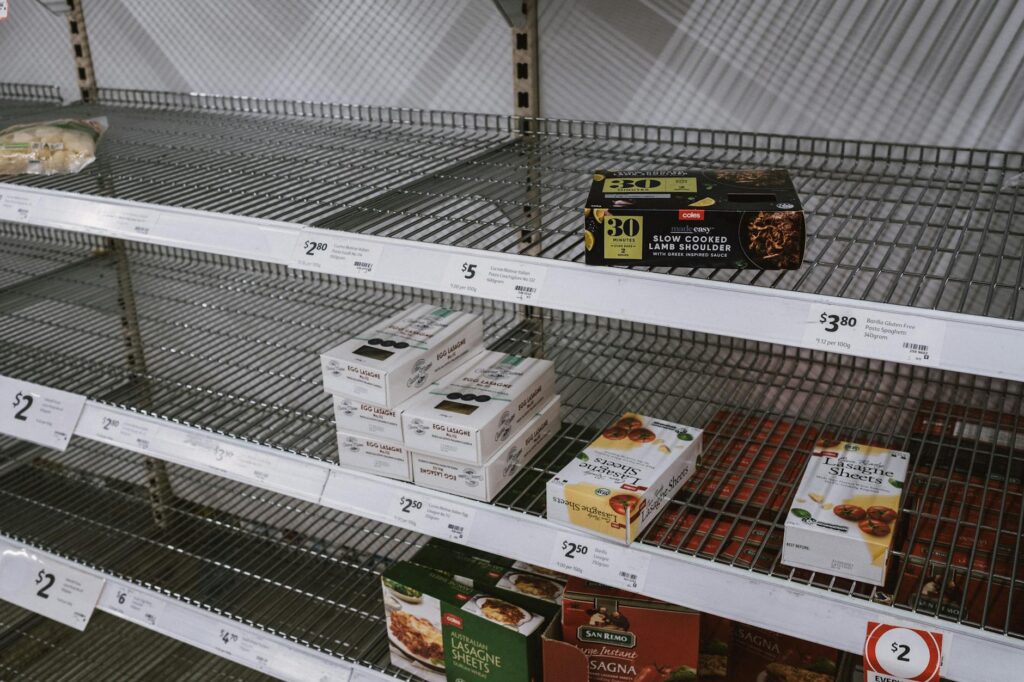
The surge in drug shortages and parallel overstocking reflects a structural shift in pharmaceutical sourcing, regulatory oversight and talent demand. Data from the FDA, EMA and industry surveys show that chronic visibility gaps and regional concentration are eroding economic mobility for providers while amplifying leadership leverage for firms that master risk‑aware logistics.
Global Shockwaves in Pharma Supply Chains
Since 2020, the pharmaceutical sector has faced a confluence of stressors that exceed the scale of any single pandemic‑related disruption. The FDA reported 277 active drug shortages in 2023, a 42 % increase over the 2018 baseline, while the European Medicines Agency logged over 150 critical shortages across oncology and cardiovascular classes in the same year [1]. Simultaneously, the International Federation of Pharmaceutical Manufacturers & Associations (IFPMA) estimates that global overstock of low‑margin generics exceeded $12 billion in 2022, tying up capital that could otherwise fund innovation [2].
These twin phenomena—scarcity of high‑value therapeutics and surplus of commoditized drugs—are not isolated market glitches. They signal a re‑configuration of the sector’s structural dependencies: a geographic concentration of active pharmaceutical ingredient (API) production in China and India, a regulatory regime that prioritizes speed over supply‑chain transparency, and a digital infrastructure that lags behind other high‑risk industries. The macro‑economic implication is a drag on health‑system productivity that directly curtails the sector’s contribution to GDP (pharma accounts for 5.5 % of U.S. GDP, but supply‑chain inefficiencies are estimated to shave 0.3 percentage points annually) [1].
Mechanics of Disruption: Concentration, Visibility, Regulation

Concentrated Manufacturing
Between 2015 and 2022, over 80 % of APIs for U.S. market drugs were sourced from just three Asian hubs. When a 2021 flood in the Jiangsu province halted production of a key oncology API, the resulting cascade forced four U.S. hospitals to postpone chemotherapy cycles, increasing average patient length of stay by 1.8 days and inflating per‑case costs by $4,200 [2]. The concentration risk mirrors the 1970s oil embargo, where reliance on a narrow supplier base amplified geopolitical shocks into systemic price spikes.
Transparency Deficits
A 2023 survey of 1,200 supply‑chain executives across 30 pharma firms found that 67 % rated end‑to‑end visibility as “insufficient”, with most firms lacking real‑time data on inventory levels beyond the first tier of distribution [1]. The absence of a unified data layer hampers early‑warning signals and forces manufacturers into reactive “rush orders” that inflate logistics costs by an average of 15 % and create downstream overstock when demand rebounds.
When a 2021 flood in the Jiangsu province halted production of a key oncology API, the resulting cascade forced four U.S.
Regulatory Asymmetry
The U.S. Food and Drug Administration’s “Drug Shortage Mitigation” policy emphasizes rapid approval of alternative sources but does not mandate pre‑emptive risk assessments for critical APIs. In contrast, the European Union’s Supply‑Chain Resilience Directive (2024) requires mandatory reporting of “criticality scores” for each component, a move that is already prompting 30 % of EU‑based manufacturers to diversify suppliers [2]. This regulatory asymmetry creates a structural advantage for firms that align early with EU standards, granting them preferential market access and lower compliance costs.
 Entrepreneurship & Business
Qualcomm Plans Global Job Cuts After Annual Reviews
A memo from chief executive Cristiano Amon links the reductions to performance culture and says business priorities and required skills will guide decisions.
Read More →Systemic Ripple Effects: Healthcare Delivery and Macro Economy
Patient Outcomes and economic mobility
Shortages translate directly into treatment delays, therapeutic substitutions, and increased out‑of‑pocket spending. A 2022 analysis of Medicare claims linked insulin shortages to a 7 % rise in emergency‑room visits for hyperglycemia, costing the program an additional $420 million that year. For low‑income patients, the economic burden of seeking alternative pharmacies or paying premium prices reduces economic mobility, as health shocks are a leading cause of income volatility.
Institutional Cost Structures
Hospitals respond to shortages by maintaining safety‑stock buffers, which inflate inventory carrying costs. The American Hospital Association estimates that average pharmacy inventory turnover fell from 9.2 to 6.8 turns per year between 2019 and 2023, tying up roughly $3.5 billion in working capital. Conversely, overstock of low‑margin generics forces large distributors to discount aggressively, compressing margins for manufacturers and prompting consolidation among mid‑size firms. This concentration of market power intensifies institutional leverage for a few multinational players, reshaping the competitive hierarchy.
Trade and Employment
Supply‑chain volatility has measurable effects on trade balances. The U.S. trade deficit in pharmaceutical imports widened from $14.3 billion in 2018 to $19.8 billion in 2023, driven largely by increased reliance on Asian APIs. Employment data from the Bureau of Labor Statistics shows a 2.1 % decline in domestic API production jobs over the same period, eroding a traditional pathway for career capital in manufacturing regions.
Employment data from the Bureau of Labor Statistics shows a 2.1 % decline in domestic API production jobs over the same period, eroding a traditional pathway for career capital in manufacturing regions.
Human Capital and Institutional Power: Careers, Investment, Leadership

Emerging Talent Pools
The structural challenges have catalyzed demand for supply‑chain risk analysts, data‑engineers and regulatory strategists. LinkedIn’s 2024 Emerging Jobs Report lists “Pharma Supply‑Chain Risk Officer” among the top 10 fastest‑growing titles, with annual salary growth of 12 % and a median compensation of $158,000. Universities are responding; MIT’s Center for Transportation & Logistics launched a Pharma Supply‑Chain Resilience Certificate in 2023, enrolling over 1,200 professionals in its first year.
Capital Allocation Shifts
 Industry & Global Trends
Global Trade Surprises with Unexpected Resilience
As the demand for AI technologies continues to grow, supply chain managers must adapt to the new dynamics of logistics and sourcing.
Read More →Venture capital flows have reallocated toward digital twin platforms and AI‑driven demand forecasting. In 2023, $1.9 billion was invested in supply‑chain SaaS startups targeting pharma, a 68 % increase from 2020. Investors cite “systemic risk mitigation” as the primary value driver, rewarding firms that can demonstrate quantifiable reduction in shortage incidence (e.g., a 30 % drop in emergency procurement costs after implementing a blockchain‑based traceability solution).
Leadership Realignment
Boards are integrating Supply‑Chain Resilience Committee mandates, elevating the role of Chief Operating Officers and Chief Risk Officers in strategic planning. The 2024 Bloomberg Global Pharma Survey found that 78 % of CEOs consider supply‑chain resilience a “core strategic priority,” up from 42 % in 2019. This shift redistributes institutional power from R&D‑centric leadership to operational executives who can navigate regulatory asymmetries and geographic diversification.
Outlook: Structural Trajectory to 2029
If the current dynamics persist, the next five years will likely see three converging pathways:
- Geographic Re‑balancing – Multinational firms are investing $6 billion in “near‑shoring” API plants in the U.S. and Eastern Europe, a trend projected to raise domestic API output by 15 % by 2029. This rebalancing will create new career pipelines in advanced manufacturing and reduce exposure to geopolitical shocks.
- Data‑Centric Governance – Adoption of industry‑wide digital standards (e.g., GS1, blockchain traceability) is expected to reach 70 % of high‑risk APIs by 2027, improving visibility and enabling predictive analytics that could cut shortage incidence by up to 40 %.
- Regulatory Convergence – The U.S. is drafting a Supply‑Chain Resilience Act modeled on the EU directive, which would require quarterly criticality reporting for all Class 1 drugs. Firms that pre‑emptively align will secure preferential reimbursement rates and expedited review pathways, reinforcing the leadership advantage of early adopters.
Collectively, these forces will reconfigure the distribution of career capital, privileging professionals who blend technical supply‑chain expertise with regulatory fluency. Companies that fail to embed systemic risk controls risk marginalization, as investors increasingly price “resilience risk” into equity valuations.
Collectively, these forces will reconfigure the distribution of career capital, privileging professionals who blend technical supply‑chain expertise with regulatory fluency.
Key Structural Insights
> – The concentration of API production in a few Asian hubs creates a systemic vulnerability that amplifies both shortage and overstock cycles, reshaping capital allocation across the sector.
> – Transparency deficits force reactive logistics, inflating costs and diverting human capital toward crisis management rather than value‑creating innovation.
> – Emerging regulatory harmonization and digital traceability will reward firms that institutionalize risk‑aware leadership, establishing a new hierarchy of institutional power by 2029.
Written by Career Ahead AI. AI can make mistakes, so verify key facts. Report errors to support@careeraheadonline.com.