No products in the cart.

SCL Mohali Retains 180nm Chips Amid Strategic Shift

SCL Mohali's decision to retain 180nm chip production highlights the ongoing relevance of legacy technology, backed by a ₹4,500 crore investment from the Ministry of Electronics and IT's India Semiconductor Mission.

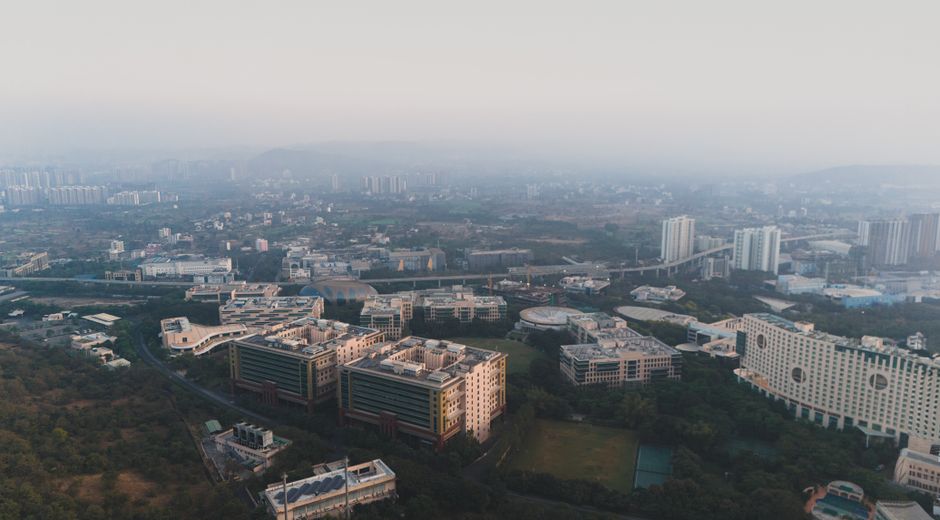
India — SCL Mohali has announced it will retain its production of 180nm chips, a decision that underscores the ongoing relevance of legacy technology in the semiconductor industry. This move, confirmed by Kamaljeet Singh, the director general of the Semi-Conductor Laboratory, reflects a strategic focus on maintaining capabilities critical for national security and other specialized applications.
The decision comes as part of a broader modernization effort backed by a ₹4,500 crore investment from the Ministry of Electronics and IT’s India Semiconductor Mission. Despite the push for advanced chip technologies, Singh emphasized that the 180nm chips will continue to be vital for various sectors, including defense and space applications. This investment is particularly significant as it marks a commitment to bolster domestic semiconductor manufacturing capabilities, which are essential for reducing reliance on imports and ensuring technological sovereignty.
Strategic Importance of 180nm Chips
Singh highlighted that while modern chips are moving towards smaller nodes, the 180nm technology remains integral for many existing products, especially in the automobile and consumer electronics industries. This legacy technology is not just a remnant of the past; it is a crucial component in numerous applications that require reliability and proven performance. For instance, many automotive systems, which are increasingly reliant on electronic components, still utilize 180nm chips due to their robustness and cost-effectiveness.
Furthermore, the retention of 180nm chips at SCL Mohali is a strategic maneuver that aligns with global trends where companies are recognizing the importance of maintaining a diversified chip portfolio. As noted in a report by Mint, the director general pointed out that upgrading to newer chip nodes would require significantly higher investments, potentially three times the current outlay, making the retention of 180nm production a financially prudent choice.
For semiconductor engineers, this means that there will still be a demand for expertise in older technologies. Many engineers may find opportunities in sectors that rely on the established 180nm processes, which are less susceptible to rapid obsolescence compared to newer technologies. The focus on maintaining these chips suggests a niche market where experienced engineers can thrive. The ongoing production of 180nm chips also indicates that SCL Mohali is committed to training and developing a workforce adept in both legacy and modern technologies, ensuring that engineers are well-equipped to handle the evolving demands of the semiconductor industry.
This is especially pertinent as geopolitical tensions rise, making self-sufficiency in critical technologies more important than ever.
You may also like
 Industry & Global Trends
What is happening to the Indian IT bench? | Explained
The tightening of bench policies in India's IT sector reflects a significant transformation in workforce management, impacting job security and project allocation.
Read More →Moreover, the strategic significance of SCL Mohali cannot be overstated. As India’s only operational chip fabrication plant, it plays a pivotal role in reducing the country’s reliance on imported semiconductor technologies. The ability to produce chips domestically is crucial for national security, particularly in defense applications where reliance on foreign technology can pose risks. This is especially pertinent as geopolitical tensions rise, making self-sufficiency in critical technologies more important than ever.
Career Ahead’s analysis finds that this decision to retain 180nm chips indicates a sustained demand for engineers skilled in older technologies. As industries adapt to the evolving landscape, professionals with experience in 180nm chip design and manufacturing will likely see continued job opportunities. The emphasis on local production aligns with the broader goals of the India Semiconductor Mission, which seeks to position India as a global hub for semiconductor manufacturing.
Implications for Semiconductor Engineering Careers
The retention of 180nm chips at SCL Mohali signals a unique opportunity for semiconductor engineers. While the industry trend leans toward smaller node technologies, the reality is that many companies still operate on legacy systems that require specialized knowledge. This creates a demand for engineers who can navigate both old and new technologies. As highlighted in the Mint report, the ongoing production of these chips ensures that engineers with expertise in 180nm processes remain relevant and sought after in the job market.
Engineers focusing on 180nm technology may find themselves in a favorable position as they can offer skills that are still relevant in various sectors. Companies involved in automotive technology, consumer electronics, and defense are likely to seek engineers who understand the intricacies of 180nm processes, ensuring that these professionals remain competitive in the job market. The demand for engineers who can bridge the gap between legacy systems and emerging technologies will be crucial as industries continue to evolve.
Furthermore, as SCL Mohali expands its chip production capacity, there could be an increase in job openings specifically targeting engineers with experience in legacy technologies. The modernization plan aims to enhance the facility’s output significantly, which may lead to a surge in hiring as new projects and initiatives are launched. This growth trajectory not only benefits SCL Mohali but also contributes to the overall development of the semiconductor ecosystem in India.
This growth trajectory not only benefits SCL Mohali but also contributes to the overall development of the semiconductor ecosystem in India.
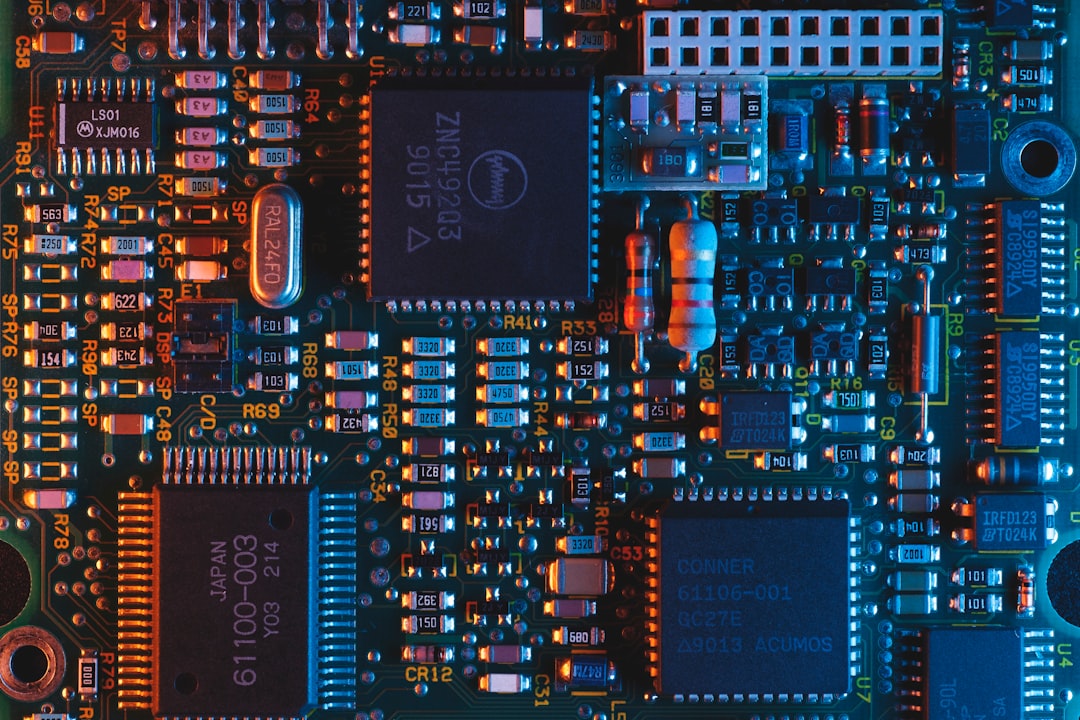
In addition to job openings, the strategic importance of SCL Mohali in the semiconductor supply chain means that engineers working there will gain invaluable experience. This experience can be a significant asset as they navigate their careers, especially in a field where practical knowledge of chip design and production processes is highly valued. As the industry faces challenges such as supply chain disruptions and technological advancements, engineers with hands-on experience in both legacy and modern technologies will be well-positioned to lead future innovations.
You may also like
 Industry & Global Trends
German Economy Might Grow 1% This Year, Bundesbank Chief Says
Understanding this growth projection is essential for those monitoring economic trends and investment opportunities. The anticipated growth is expected to be supported by a rebound…
Read More →The semiconductor industry is on the cusp of significant changes, driven by technological advancements and geopolitical factors. As countries like India strive for self-reliance in semiconductor manufacturing, facilities like SCL Mohali will play a crucial role in shaping the future landscape of the industry. The decision to maintain 180nm chip production highlights the importance of a diversified approach to semiconductor manufacturing. The ability to produce both advanced and legacy chips allows companies to cater to a broader range of applications and markets, ensuring resilience against market fluctuations.
For semiconductor engineers, this evolving landscape presents both challenges and opportunities. As the industry adapts, engineers will need to stay informed about trends and developments in chip technology. The demand for skills in both legacy and cutting-edge technologies will likely persist, making continuous learning and adaptability essential for career success. Looking ahead, it will be interesting to see how SCL Mohali’s modernization efforts unfold and what impact they will have on the semiconductor job market. With the growing emphasis on domestic production, engineers may find themselves at the forefront of a burgeoning industry that is poised for growth.
Frequently Asked Questions
What are the career prospects for semiconductor engineers in light of SCL Mohali’s strategy?
Career Ahead research identifies that semiconductor engineers focusing on legacy technologies like 180nm chips will have significant job opportunities. As industries continue to rely on these technologies, engineers with expertise in this area will remain competitive in the job market.
The retention of 180nm chips means that chip design specialists will still be needed to work on legacy systems.
How does the retention of 180nm chips impact chip design specialists?
The retention of 180nm chips means that chip design specialists will still be needed to work on legacy systems. This creates a niche market where specialists can leverage their skills to meet the demands of industries that rely on these technologies.

What skills should semiconductor engineers develop to stay relevant in the evolving chip landscape?
Engineers should focus on gaining expertise in both legacy and modern chip technologies. Understanding the intricacies of 180nm processes, along with knowledge of advanced nodes, will position them well for future opportunities in the semiconductor industry.
You may also like
 Industry & Global Trends
U.S. Hiring Slows Amid Labor Market Shift
This slowdown comes at a critical moment as inflation continues to exert pressure on wages and hiring practices.
Read More →