No products in the cart.

Steel Tariffs Force Stelco to Halt Canadian Operations

Cleveland-Cliffs has announced the idling of operations at its Stelco facility in Canada due to US steel tariffs, raising concerns about job security and production strategies in the steel industry.

Canada — Cleveland-Cliffs has announced the idling of some operations at its Stelco facility. This decision comes after the recent US steel tariffs. The announcement, made on September 28, 2026, raises serious concerns about job security for workers and the Canadian steel industry.
As Cleveland-Cliffs deals with the impact of these tariffs, it plans to lay off hundreds of workers at its Hamilton, Ontario plant. This trend shows how tariffs disrupt production and jobs in the steel sector. It has sparked urgent discussions among industry stakeholders.
Job Security Concerns for Steel Industry Workers
The idling of Stelco’s operations threatens job security for steel workers in Canada. With layoffs approaching, employees face uncertainty about their futures. Reports suggest Cleveland-Cliffs plans to cut its workforce significantly, which is alarming given the volatile steel market.
Career Ahead’s analysis shows that the steel sector has seen job fluctuations due to economic pressures. Tariffs can reduce production capacity, affecting staffing levels. Workers at Stelco now face a tough job market, where opportunities may dwindle as companies adjust to the new tariff situation.
The psychological impact of potential job losses is significant. Many workers have dedicated years to their roles, and the threat of layoffs increases stress and anxiety. This situation worsens as the Canadian steel industry faces challenges from global competition and changing demand. A report from Reuters indicates that the layoffs at Stelco are part of a broader trend affecting the steel industry as companies adapt to new economic realities.
As steel workers prepare for the impact of these tariffs, support systems become crucial.
As steel workers prepare for the impact of these tariffs, support systems become crucial. Unions and worker advocacy groups will likely play a key role in addressing these issues. They can help ensure employees access necessary resources during this difficult time. Retraining programs and job placement services will be vital for workers seeking new opportunities in a changing job market.
Production Adjustments at Stelco
You may also like
 Industry & Global Trends
AI Talent Race Between US and China Is the Next Battleground
The competition for AI talent between the US and China is growing, with significant implications for job opportunities and recruitment strategies in the field. The…
Read More →The decision to idle operations at Stelco is not just a response to tariffs; it reflects a strategic shift in response to market realities. Cleveland-Cliffs’ management is reassessing production strategies to align with the new economic environment shaped by US tariffs. This includes evaluating which operations are viable under current conditions.
According to 51percent’s analysis, Cleveland-Cliffs acquired Stelco to create a strong steel supply chain across North America. However, recent tariffs have disrupted this vision, forcing the company to rethink its operational approach. The idling of Stelco’s operations shows how quickly market dynamics can change, impacting production capabilities and long-term planning.
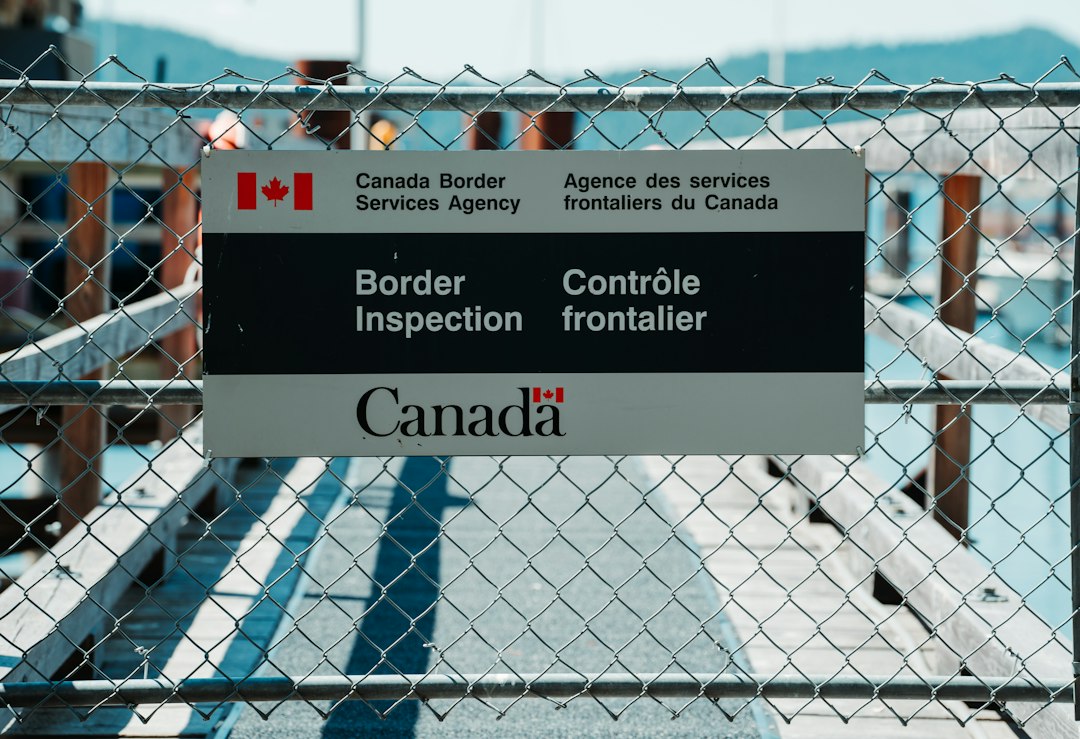
The impact on the supply chain is also significant. Manufacturing executives in Canada now face a more complex landscape. Sourcing steel may become more challenging and expensive. This could lead to higher costs for manufacturers who rely on steel, affecting pricing and competitiveness. A report from S&P Global notes that higher costs and a mixed contract environment limit Cleveland-Cliffs’ ability to benefit from US steel tariffs, complicating operations further.
Career Ahead research suggests that the effects of these operational changes could go beyond immediate job losses. If Stelco remains idle for a long time, it may lead to a contraction in the Canadian steel market. This would further challenge manufacturers and workers. The interconnectedness of global supply chains means that disruptions at Stelco could have widespread implications, affecting local employment and the broader manufacturing ecosystem in Canada.
Career Ahead research suggests that the effects of these operational changes could go beyond immediate job losses.
The idling of operations at Stelco due to US steel tariffs raises important questions about job security and production strategies in the Canadian steel sector. With the potential for significant layoffs and operational changes, both workers and manufacturing executives must stay informed and prepared. As Cleveland-Cliffs and other steel producers face these challenges, their decisions in the coming months will likely shape the future of the steel industry in Canada and its workforce.
Frequently Asked Questions
What are the implications of US steel tariffs for steel industry workers?
The US steel tariffs have caused significant job losses at Stelco, with hundreds of workers facing layoffs. This uncertainty creates a tough environment for employees in the steel sector.
How can manufacturing executives in Canada adapt to changes in steel tariffs?
Manufacturing executives must reassess their sourcing strategies and production plans due to increased costs from tariffs. This may involve exploring alternative materials or suppliers to stay competitive.
You may also like
 Industry & Global Trends
Hormuz Crude Oil Exports Near Pre-War Levels
The return to pre-war export levels is crucial as it indicates a stabilization in the oil market. Producers and shipping industries have adapted by employing…
Read More →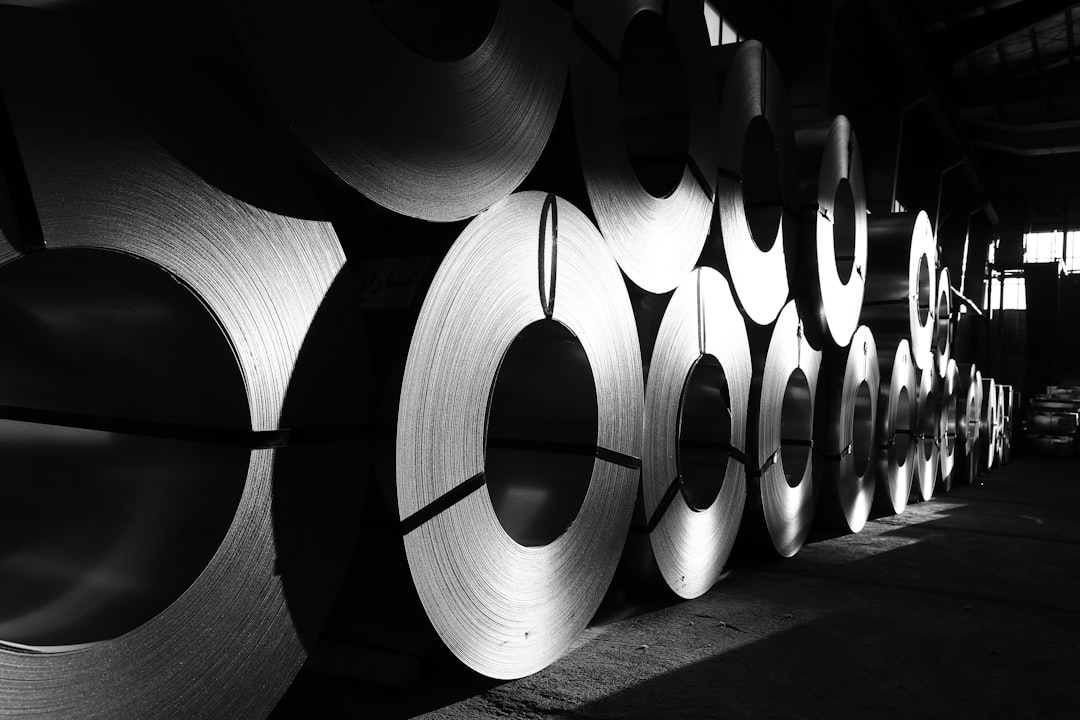
What should steel industry workers do about potential job losses due to idling operations?
Steel workers facing potential job losses should seek support from unions and advocacy groups. Accessing resources for retraining and job placement can help lessen the impact of layoffs.