No products in the cart.

Students Abandon 771 MBBS, BDS Seats Over High Fees

The abandonment of 771 MBBS and BDS seats in Gujarat highlights a growing crisis in medical education accessibility due to soaring tuition fees, prompting students to seek alternative career paths.

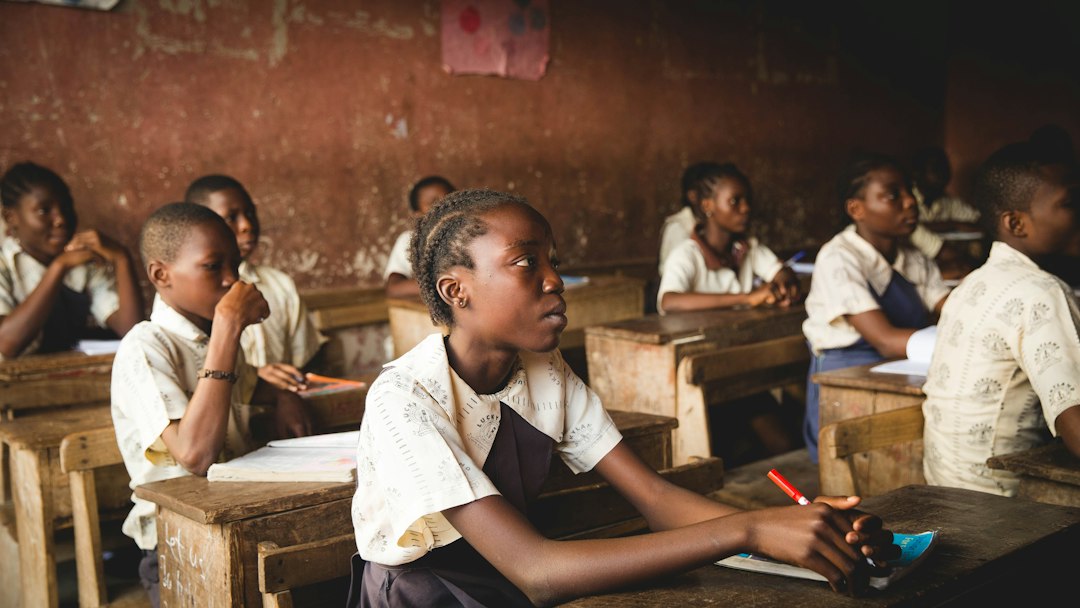
Gujarat, India — A staggering 771 students have chosen not to confirm their MBBS and BDS seats during the recent counselling process. This unprecedented decision stems from soaring tuition fees, which many students find unaffordable. The situation raises serious concerns about access to medical education in the state.
Students like Meman Mohammad Shaikh, who got admission at Parul University, are now rethinking their future in medicine. The annual fee of about Rs 10 lakh is a heavy financial burden. Many are exploring alternative paths like BHMS or BAMS, where costs are much lower. A report by the Economic Times states that high fees deter many aspiring doctors, forcing them to abandon their dreams of a medical career.
The Financial Strain on Medical Aspirants
The rising costs of medical education in Gujarat force students to make tough choices. For example, Uday Karavadra, a NEET scorer offered a seat at SAL Medical College, declined due to the annual fee of Rs 11.68 lakh. His family relies on farming and cannot afford such expenses. Instead, he is considering a more affordable option in Ayurveda. This trend is common; many students now prioritize financial viability over their initial career goals.
Heer Nai faced a similar dilemma. She secured a seat at NHL Municipal Medical College, but the annual fees of around Rs 24 lakh at private colleges were too high. Instead, she chose to pursue Pharm D at LM Pharmacy, where costs are manageable at about Rs 2 lakh annually. Such decisions reflect a growing trend of students leaving the medical field altogether. Many are turning to courses in dental, pharmacy, and alternative medicine, which have much lower tuition fees. Career Ahead’s analysis suggests this shift could lead to a shortage of qualified medical professionals in the future, as fewer students choose traditional medical paths.
Career Ahead’s analysis suggests this shift could lead to a shortage of qualified medical professionals in the future, as fewer students choose traditional medical paths.
You may also like
 Education & University Insights
Hazing Rituals: Students Drenched in Condiments
The students, allegedly participating in a fraternity initiation ritual, were discovered by police in a state that has been described as visibly distressing and dangerous.
Read More →Financial aid options are limited, and many families struggle to cover even part of the costs. Meman’s case shows this challenge: despite receiving a government scholarship of Rs 2 lakh and expecting community help, his family still needs to pay Rs 6 lakh for the first year alone. This financial strain pushes students to explore less costly educational paths. The Economic Times highlighted that the abandonment of seats is not just an individual issue but a systemic problem affecting the entire educational framework in Gujarat.
Career Ahead research finds that the trend of abandoning medical seats is not a one-time occurrence. It reflects a systemic issue within Gujarat’s educational framework. High fees create a significant gap between aspiration and accessibility for students who want to pursue medicine. As the financial burden grows, the implications for future healthcare provision in the state become more serious.
Implications for the Future of Medical Education
This trend has implications beyond individual students. The high abandonment rate of confirmed seats signals a need for reform among educational institutions and policymakers. If tuition trends continue, the state may face a critical shortage of healthcare professionals in the coming years. Reports indicate that Gujarat’s healthcare sector could suffer from a lack of trained personnel, impacting public health.
The outcome of this round will be crucial in determining whether more students can secure their place in medical education or if abandonment will continue.
As students increasingly choose alternative courses, the medical education landscape in Gujarat may change dramatically. Institutions may need to rethink their fee structures to attract students. If they do not, the quality of healthcare could decline due to a lack of trained professionals. The Economic Times also pointed out that high fees are not just a personal financial issue; they reflect broader economic challenges families face in the region.
The financial burden on families is not just a personal issue; it reflects wider economic challenges. Many families already struggle with rising living costs, making it hard to invest in expensive education. This situation calls for urgent attention from government bodies to ensure aspiring medical professionals are not left behind due to financial constraints. As the third round of counselling approaches, students remain hopeful for better options. Many are waiting to see if government-quota or lower-fee seats become available. The outcome of this round will be crucial in determining whether more students can secure their place in medical education or if abandonment will continue.
You may also like
 Education & University Insights
Soldier Pursues MA at 85, Defying Age Barriers
Godara's educational journey is not just a personal achievement; it reflects a significant shift in societal attitudes towards education for older adults.
Read More →
Ultimately, the ongoing situation raises critical questions about the sustainability of medical education in Gujarat. Will institutions adapt to the needs of students, or will financial barriers continue to widen the gap in access to healthcare education? The future of medical education in Gujarat is uncertain, and timely interventions may be necessary to prevent a crisis.
The rising tuition fees in Gujarat’s medical education sector create significant barriers for aspiring doctors. This trend affects individual students and poses risks to the future of healthcare in the region. As more students abandon their medical ambitions, the implications for public health and medical training are profound. With financial pressures mounting, the need for reform in educational policies has never been more urgent. Addressing these issues will be critical to ensuring the next generation of healthcare professionals is adequately trained and available to meet the population’s needs.
As the situation evolves, stakeholders in education and healthcare must closely monitor these developments. The future of medical education in Gujarat is uncertain, and timely interventions may be necessary to prevent a crisis.
If MBBS students cannot afford their allotted seat, they should consider alternative programs that align with their career aspirations and financial capabilities.
Frequently Asked Questions
What financial aid options are available for MBBS students in Gujarat?
Career Ahead’s analysis reveals that financial aid options for MBBS students in Gujarat are limited. Many students rely on government scholarships, community support, and personal loans to cover their tuition fees.
How can BDS students manage high tuition fees?
BDS students can manage high tuition fees by exploring alternative courses with lower costs, such as pharmacy or Ayurveda. Additionally, seeking scholarships and financial assistance from community organizations can help alleviate the financial burden.
What should MBBS students do if they cannot afford their allotted seat?
If MBBS students cannot afford their allotted seat, they should consider alternative programs that align with their career aspirations and financial capabilities. Exploring options in dental, pharmacy, or other healthcare fields may provide more affordable pathways.
You may also like
 Education & University Insights
Mandeep Bhandari Takes Charge as CBSE Chairman
Bhandari's appointment is particularly notable as it follows a period of intense public concern regarding the transparency and reliability of the CBSE's evaluation methods.
Read More →