No products in the cart.

Justice Department Halts School Desegregation Efforts | Career Outlook

The Justice Department's recent decision to terminate multiple school desegregation cases marks a significant shift in federal civil rights enforcement in education. This change raises critical questions about ongoing efforts for educational equity and the future landscape of civil rights litigation.

Washington, US — The Justice Department has announced the termination of over 50 school desegregation cases across the United States, a move that could significantly alter the landscape of civil rights enforcement in education. This decision, made public on September 24, 2026, has raised alarms among education policy analysts and civil rights advocates regarding its implications for educational equity and the ongoing fight against segregation in schools.
This development signals a shift in federal priorities, as the Justice Department seeks to streamline its focus on cases deemed to have reached a resolution or where compliance has been achieved. However, critics argue that this approach undermines decades of progress made toward desegregation and equal access to quality education for all students.
Impact on Federal Enforcement of Desegregation Policies
The Justice Department’s decision to drop these cases reflects a broader trend of reducing federal oversight in education. According to data from justice.gov, the agency has closed cases that date back decades, including a notable 60-year-old desegregation case in Tennessee. This indicates a potential end to federal involvement in ensuring compliance with desegregation orders, which could leave many districts without necessary oversight.
Career Ahead’s analysis finds that this reduction in federal enforcement may embolden school districts to revert to practices that could lead to increased segregation. Without federal oversight, districts may prioritize budgetary concerns over equitable educational practices, further entrenching existing disparities among students of different racial and socioeconomic backgrounds.
Moreover, education policy analysts predict that the elimination of these cases could lead to a decline in the momentum for educational equity initiatives. As states and districts feel less pressure to comply with desegregation orders, the risk of re-segregation increases, potentially reversing years of progress in civil rights.
For civil rights lawyers, this shift poses a significant challenge. The reduction in federal enforcement could limit their ability to advocate for students who have been historically marginalized. The legal landscape may shift toward a more reactive approach, where litigation occurs only in response to overt violations rather than proactive measures to ensure compliance with desegregation mandates.
As the implications of this decision unfold, stakeholders in education must grapple with the potential consequences of diminished federal oversight on the quality of education provided to students across the country.
You may also like
 Government & Policy
Summit Ends with No AI Agreement Between Leaders
The recent summit between Donald Trump and Chinese President Xi Jinping concluded without significant agreements on artificial intelligence (AI), raising concerns about the future of…
Read More →As the implications of this decision unfold, stakeholders in education must grapple with the potential consequences of diminished federal oversight on the quality of education provided to students across the country.
Changes in Legal Strategies for Civil Rights Lawyers
The termination of desegregation cases will likely compel civil rights lawyers to adapt their strategies significantly. With federal enforcement waning, advocates may need to focus more on state-level litigation to address segregation issues. This could involve pursuing claims based on state constitutions or civil rights laws that provide protections against discrimination in education.
Career Ahead research indicates that civil rights lawyers may also need to form coalitions with local advocacy groups to strengthen their cases. By collaborating with community organizations, they can amplify their voices and increase pressure on state and local governments to uphold educational equity. This grassroots approach may become essential in the absence of robust federal support.
Furthermore, the shift in focus may lead to an increase in public awareness campaigns aimed at highlighting the importance of desegregation and educational equity. Civil rights lawyers could leverage social media and other platforms to mobilize public opinion and advocate for policy changes at the local level.
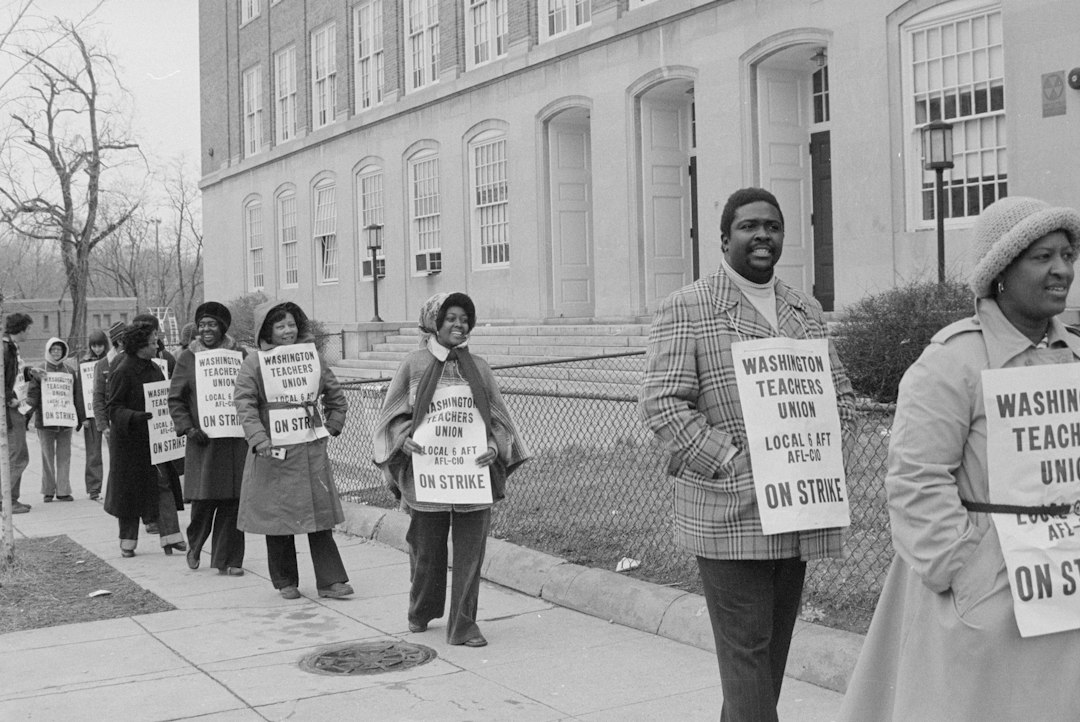
While these adjustments may present challenges, they also offer opportunities for civil rights lawyers to redefine their roles in the fight for educational equity. By adapting to the new landscape, they can continue to advocate for the rights of marginalized students, albeit through different avenues.
In this evolving environment, the effectiveness of legal strategies will depend on the ability of civil rights advocates to remain agile and responsive to the changing dynamics of federal and state policies.
This could result in a patchwork of educational standards across the country, where some districts thrive while others struggle to provide equitable opportunities for all students.
Potential Shifts in Educational Equity Initiatives
The Justice Department’s decision raises significant questions about the future of educational equity initiatives. With federal oversight diminished, states may have the autonomy to implement policies that do not prioritize desegregation. This could result in a patchwork of educational standards across the country, where some districts thrive while others struggle to provide equitable opportunities for all students.
You may also like
 Government & Policy
Alabama Orders TikTok to Pay $300 Million for Child Safety Violations
Alabama's recent ruling against TikTok, mandating a payment of up to $300 million for child safety violations, underscores the increasing regulatory scrutiny on social media…
Read More →Career Ahead’s analysis suggests that educational equity initiatives may increasingly rely on local advocacy and community engagement. As federal resources dwindle, local stakeholders will be tasked with ensuring that educational equity remains a priority. This could lead to innovative solutions tailored to specific community needs, although it may also exacerbate inequalities if not managed effectively.
Moreover, the potential for increased segregation could prompt a backlash from parents and community members who demand accountability from their school systems. Advocacy for educational equity may gain traction as communities recognize the implications of the Justice Department’s decision on their local schools.

As the landscape for educational equity evolves, it will be crucial for stakeholders to remain vigilant and proactive in addressing the challenges posed by the Justice Department’s recent actions. The path forward will likely require a concerted effort from educators, parents, and civil rights advocates to ensure that the progress made in desegregation is not lost.
Career Ahead analysis shows that education policy analysts may need to reassess their frameworks for evaluating school equity.
The future of educational equity in the United States hinges on the ability of these groups to adapt and respond to the changing dynamics of federal and state policies. Will local advocates rise to the challenge, or will the momentum for desegregation falter in the absence of federal oversight?
Frequently Asked Questions
What are the implications of the Justice Department’s decision for education policy analysts?
Career Ahead analysis shows that education policy analysts may need to reassess their frameworks for evaluating school equity. The reduction in federal oversight could lead to varied compliance across states, complicating the assessment of educational outcomes.
How can civil rights lawyers adapt to changes in desegregation enforcement?
Civil rights lawyers can adapt by focusing on state-level litigation and forming coalitions with local advocacy groups. This shift will help amplify their efforts to promote educational equity in the absence of strong federal support.
You may also like
 Government & Policy
Anthropic investor Lonsdale says AI firms stoking fear to sway policy
On September 25, 2026, Lonsdale expressed concerns that efforts by companies like Anthropic and OpenAI to highlight the dangers of advanced AI systems could entrench…
Read More →
What should education advocates do in response to the Justice Department’s new stance on desegregation?
Education advocates should prioritize grassroots mobilization and public awareness campaigns to emphasize the importance of desegregation. Engaging with local communities will be essential to ensure that educational equity remains a central focus in policy discussions.