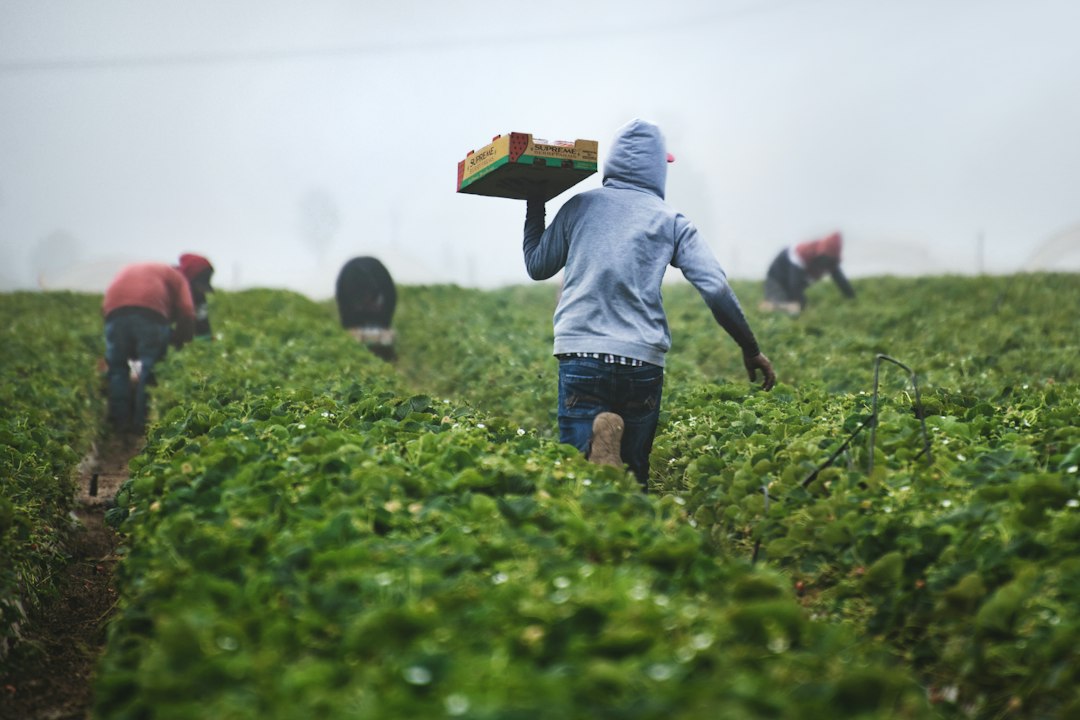
Farmers are increasingly using artificial intelligence (AI) to find the best time to harvest crops. New AI technology helps predict harvest timing, which boosts agricultural productivity and worker safety. Companies like Okanagan Specialty Fruits are using these tools to improve their operations, especially during tough weather. A recent BBC News report states that AI models can forecast ideal harvest dates by analyzing weather patterns and crop conditions. This capability is vital for farmers facing unpredictable weather that can impact harvest quality and worker safety.
For example, during a recent heatwave in Washington State, Okanagan Specialty Fruits had to stop harvesting due to unsafe conditions. Joel Carter, a company representative, said AI could help predict such situations. This would allow for better planning and resource use. He stressed the need to know not just when the fruit is ripe, but also how long farmers have to pick it safely. This timing insight is where AI models are very useful.
Implementing AI Tools for Harvest Timing
AI tools are becoming essential in modern agriculture, especially for harvest timing. Companies like Vivid Machines provide advanced imaging systems that analyze crops in real-time. These systems can identify fruit ripeness, helping farmers decide when to harvest. For instance, Okanagan Specialty Fruits uses cameras mounted on tractors to collect data on their apple orchards. This ensures they harvest at the best time for quality and yield. Such technology provides a clearer understanding of crop readiness, which is crucial for maximizing quality and profit.
Additionally, AI can analyze historical data to improve prediction accuracy. Career Ahead’s analysis shows that the effectiveness of AI models relies heavily on the quality of the data used. Farmers must ensure their historical yield data is accurate and complete for the best results. This tailored approach allows for predictions that reflect each farm’s unique conditions. AI’s ability to process large amounts of data quickly also means farmers can receive timely insights that were not possible before, enhancing their decision-making.
Besides crop analysis, AI tools can also improve labor management. By predicting harvest dates more accurately, farmers can schedule seasonal workers better. This reduces labor costs and helps ensure they do not miss peak harvest times. This optimization is crucial for high-value crops like berries, which have a short harvesting window. As Raymond Martin from FruitCast points out, timely harvesting is essential; delays can lead to crop loss and lower profits. AI not only streamlines labor management but also boosts overall farm efficiency, allowing farmers to allocate resources where they are most needed.
Career Ahead’s analysis shows that the effectiveness of AI models relies heavily on the quality of the data used.
However, integrating AI into agriculture comes with challenges. Many farmers hesitate to adopt these technologies due to concerns about costs and the reliability of AI predictions. Yet, as more success stories emerge, the agricultural sector is likely to see more investment in AI solutions. Adoption of these technologies is expected to grow, driven by the need for efficiency and productivity in a competitive market. The potential for AI to change farming practices is significant, and as technology evolves, it will likely become an essential tool for farmers.
The Impact of Weather on Harvest Decisions
Weather conditions greatly influence the right time to harvest crops. AI systems can analyze weather data to predict how conditions will affect crop ripeness. This is especially important in areas facing extreme weather, like droughts or heatwaves. For instance, during the hot summer of 2026, many farmers struggled with crop yields due to high temperatures and low water supply. Predicting weather impacts on crops is crucial for farmers who want to optimize their harvests and maintain quality.
AI tools can help reduce these risks by providing forecasts that consider current and future weather patterns. By integrating weather data into their models, farmers can make better decisions about when to harvest. This approach improves crop quality and enhances worker safety by avoiding dangerous conditions. For example, if a heatwave is on the way, farmers can change their schedules to harvest during cooler parts of the day. This proactive harvest management is increasingly vital as climate change alters traditional farming practices.
Predicting weather impacts on crops also helps farmers optimize their irrigation and fertilization strategies. By understanding how weather affects crop growth, farmers can apply resources more effectively. This precision agriculture approach is becoming more important as climate change continues to change farming. As noted by sources like Farmers’ Almanac, knowing when to harvest can greatly influence the flavor and quality of produce, making AI’s role in this process even more critical.
As AI technology advances, its ability to predict weather impacts on harvest timing will likely improve. This could lead to a more resilient agricultural sector that adapts to climate change challenges. Farmers who embrace these technologies will be better equipped to respond to unpredictable weather patterns, ensuring sustainable practices and maximizing yields. The future of agriculture may depend on successfully integrating AI tools that enhance decision-making and operational efficiency.
The future of agriculture may depend on successfully integrating AI tools that enhance decision-making and operational efficiency.
In conclusion, as AI continues to shape agriculture’s future, the demand for skilled professionals who can navigate these technologies will grow. Using AI tools for harvest timing improves efficiency, worker safety, and crop quality. The agricultural sector must adapt to these changes to remain competitive and sustainable amid ongoing challenges. As AI tools become more common, the question remains: how will farmers balance traditional knowledge with new technologies to optimize their harvests?
Frequently Asked Questions
What AI tools are available for farm managers?
Farm managers can access various AI tools for crop analysis and harvest predictions. Companies like Vivid Machines and FruitCast offer systems that analyze crop conditions and provide forecasts to improve decision-making.
How does AI improve crop yield predictions?
AI enhances crop yield predictions by analyzing historical data and real-time conditions. By integrating weather data and crop health information, AI models can provide accurate forecasts that help farmers optimize their harvest timing.
What should agricultural technologists know about AI in farming?
Agricultural technologists should understand how AI tools can improve farm management. Knowledge of data analysis, machine learning, and AI applications in crop management is essential for effectively using these technologies.



AI & Technology
AI & Technology