No products in the cart.

The Challenge of Detecting AI-Generated Assignments
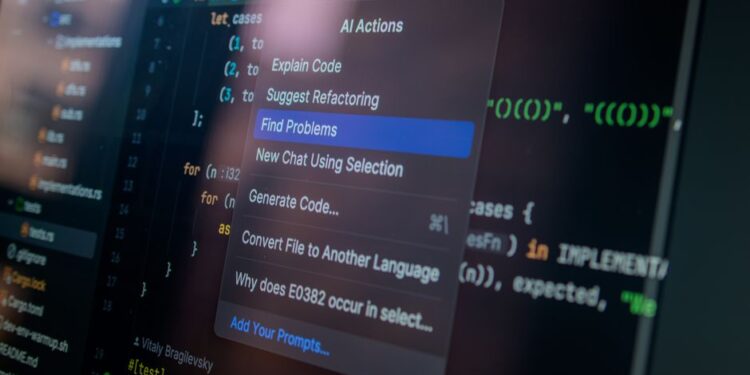
AI tools are transforming the landscape of academic integrity, complicating efforts for educators to identify cheating. As technology evolves, so do the methods students use to bypass traditional detection methods, prompting a need for new strategies.

AI tools are rapidly changing the educational landscape, making it increasingly difficult for teachers to detect student cheating. Reports indicate that both large tech companies and startups are developing sophisticated applications that help students bypass traditional detection methods. This trend poses significant challenges for educators who strive to maintain academic integrity while adapting to these new technologies.
As of June 2026, the emergence of AI-generated content is reshaping the way assignments are completed. Students can now utilize AI tools to produce essays and projects that are nearly indistinguishable from human work. This shift not only complicates the grading process but also raises ethical questions about the value of genuine student work.
Impact of AI on Academic Integrity
The rise of AI tools has led to a notable increase in instances of academic dishonesty. Career Ahead’s analysis shows that educators are facing unprecedented challenges in identifying AI-generated assignments. For example, many students are turning to AI platforms that can generate essays based on prompts, making it easier for them to submit work that does not reflect their actual understanding or effort.
According to a report from the BBC, the number of students using AI to complete assignments has surged, which has alarmed educators across the globe. This has led to a growing concern that traditional methods of assessment may no longer be sufficient to evaluate student learning accurately. The implications are far-reaching, as educators must now reconsider how they assess student performance and academic honesty.
Moreover, the anonymity and accessibility of AI tools make it difficult for teachers to monitor and regulate their use. Many students feel emboldened to cheat, believing they can evade detection due to the sophistication of these technologies. This creates an environment where academic integrity is compromised, and the learning experience is diminished.
Many students feel emboldened to cheat, believing they can evade detection due to the sophistication of these technologies.
As AI-generated content becomes more prevalent, educators are tasked with finding new ways to promote honesty and integrity in their classrooms. This may involve rethinking assessment methods and incorporating AI literacy into the curriculum to help students understand the ethical implications of using these tools.
You may also like
 Education & University Insights
6,000 Agriculture Students Secure ₹21.35 Crore Scholarships
The Indian government's recent disbursement of ₹21.35 crore in scholarships to over 6,000 agriculture students aims to enhance educational access and promote innovation in the…
Read More →
Emerging Tools for Detecting AI-Generated Content
In response to the rise of AI-assisted cheating, several companies are developing tools aimed at detecting AI-generated content. These tools utilize advanced algorithms to analyze writing patterns and identify discrepancies that may indicate the use of AI. Career Ahead research identifies that the effectiveness of these tools varies, with some proving more reliable than others in distinguishing between human and AI-generated work.
For instance, tools like Turnitin and Grammarly have begun incorporating AI detection features to help educators identify potential instances of cheating. These platforms analyze the structure, style, and complexity of writing to flag submissions that may not be authentic. While these tools are a step in the right direction, they are not foolproof and cannot guarantee complete accuracy.
Furthermore, educators are encouraged to stay updated on the latest developments in AI detection technology. As AI tools continue to evolve, so too must the methods used to combat academic dishonesty. This dynamic landscape requires ongoing research and adaptation to ensure that educational institutions can maintain academic standards.
Despite the challenges, some experts argue that the integration of AI tools into the educational environment can also offer opportunities. For example, by teaching students how to use AI responsibly, educators can foster a culture of integrity while still embracing technological advancements. This dual approach may help mitigate the risks associated with AI cheating while enhancing learning outcomes.
To effectively combat AI-assisted cheating, educators must adopt proactive strategies that not only address the issue but also promote a culture of integrity.
Strategies for Educators to Adapt to New Cheating Methods
You may also like
 Education & University Insights
New Framework for Private Skill Universities
The Maharashtra Cabinet has approved a unified regulatory framework for private skill universities, aiming to streamline operations and enhance educational standards. This legislation is set…
Read More →To effectively combat AI-assisted cheating, educators must adopt proactive strategies that not only address the issue but also promote a culture of integrity. One approach is to diversify assessment methods, incorporating project-based learning, oral presentations, and collaborative assignments that are less susceptible to AI manipulation. By shifting the focus from traditional written assignments to more interactive forms of assessment, educators can better gauge student understanding and engagement.
Additionally, Career Ahead’s analysis finds that integrating AI literacy into the curriculum is essential. By educating students about the ethical implications of AI use, teachers can empower them to make informed decisions about when and how to use these tools. This includes discussions about originality, plagiarism, and the importance of personal effort in academic work.
Moreover, fostering an open dialogue about the challenges posed by AI tools can help create a supportive learning environment where students feel comfortable discussing their struggles and ethical dilemmas. Establishing clear guidelines and expectations regarding AI use in assignments can also help reinforce the importance of academic integrity.

As educators navigate this evolving landscape, collaboration among faculty members can enhance their ability to address cheating effectively. Sharing best practices, resources, and insights can lead to more comprehensive strategies that benefit both teachers and students.
As educational institutions grapple with the implications of these tools, the question arises: how will they balance the benefits of AI with the need to maintain authenticity in student work?
Ultimately, the challenge of maintaining academic integrity in the face of AI advancements is significant. However, by adapting to new realities and embracing innovative approaches, educators can continue to uphold the values of honesty and integrity in their classrooms.
The future of academic integrity remains uncertain as AI technology continues to advance. As educational institutions grapple with the implications of these tools, the question arises: how will they balance the benefits of AI with the need to maintain authenticity in student work?
Frequently Asked Questions
How can high school teachers prevent cheating with AI?
Career Ahead analysis suggests that high school teachers can prevent AI-assisted cheating by diversifying assessment methods and incorporating project-based learning. Educators should also educate students about the ethical implications of AI use to foster a culture of integrity.
What tools can college professors use to detect AI-generated work?
You may also like
 Education & University Insights
Crises Plaguing Government School Education in India
Student protests across India highlight the urgent need for improvements in government school conditions, as enrollment continues to decline.
Read More →College professors can use tools like Turnitin and Grammarly, which are beginning to incorporate AI detection features. These tools analyze writing patterns and styles to help identify potential instances of cheating.

What should educational technology developers consider when creating anti-cheating solutions?
Educational technology developers should focus on creating tools that not only detect AI-generated content but also promote academic integrity. Solutions should be user-friendly and adaptable to various educational environments to effectively support educators.