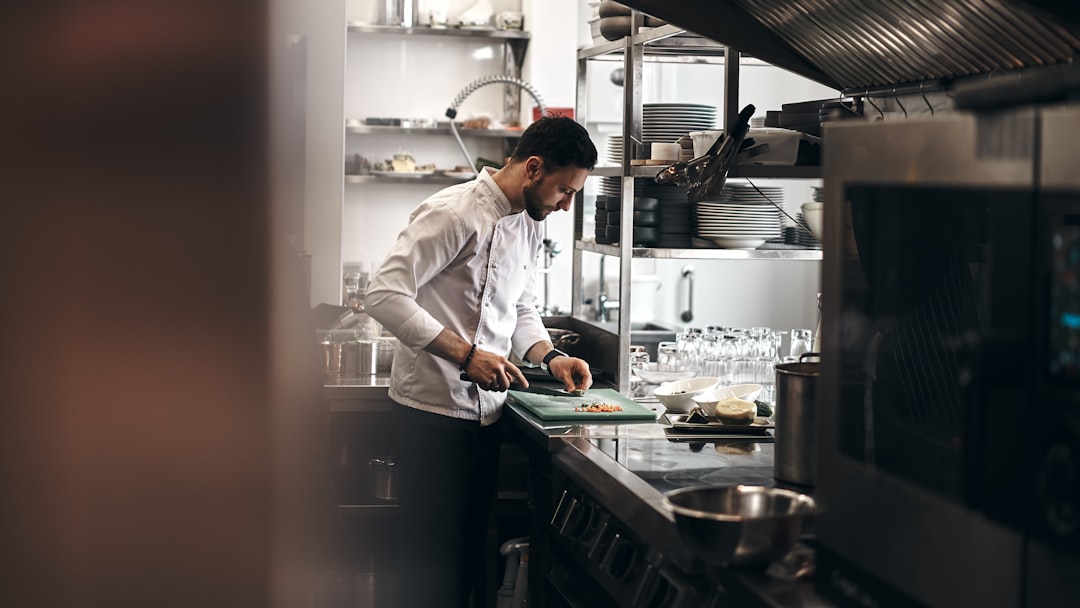
UK chefs are increasingly switching from gas to electric cooking methods, reporting benefits like lower kitchen temperatures, cost savings, and improved working conditions.
UK chefs are increasingly moving from gas to electric cooking methods to combat extreme heat in kitchens. This transition is driven by the need to improve working conditions and reduce operational costs. As temperatures rise, many restaurants are adopting electric induction cookers, which can lower kitchen temperatures by up to 10 degrees Celsius. This shift not only enhances comfort but also aligns with sustainability goals.
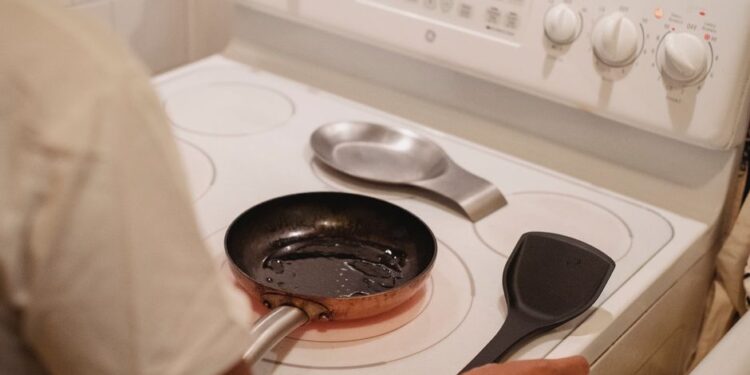
Many chefs have reported significant benefits from switching to electric cooking. Induction cookers are quieter, cheaper to run, and easier to clean than traditional gas stoves. A report from the Global Cooksafe Coalition highlights that some restaurants have saved thousands of pounds on energy bills after making the switch. One gastropub noted a reduction in energy use by nearly two-thirds, translating to savings of £9,000 annually. This financial relief is particularly crucial as many establishments face rising energy costs amid global inflationary pressures.
Advantages of Electric Cooking
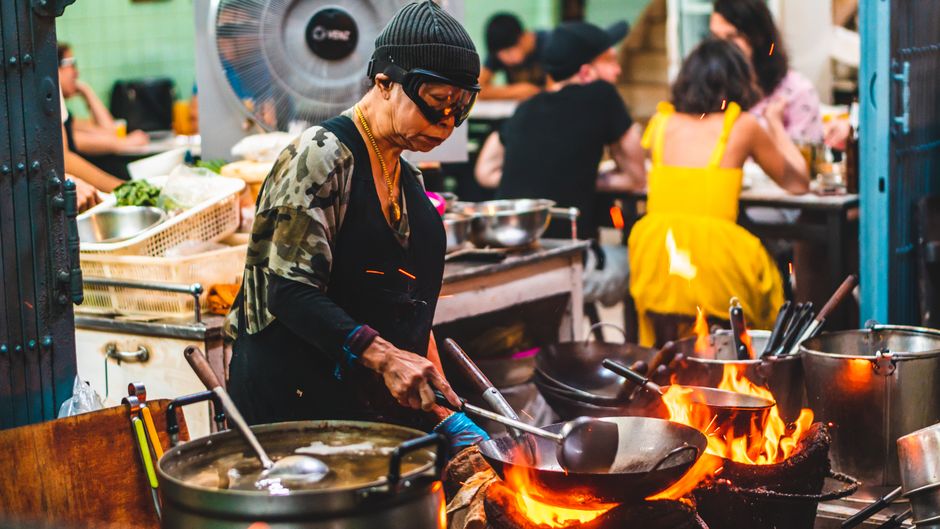
Electric cooking offers several advantages for professional chefs. Firstly, the efficiency of induction cookers allows for precise temperature control, which is vital for many cooking techniques. Chefs like Jeremy Pang, a third-generation Chinese chef, have found that they can achieve high cooking temperatures comparable to gas, without the excessive heat loss associated with gas burners. This efficiency not only improves cooking performance but also contributes to a more comfortable kitchen environment. Furthermore, the ability to maintain consistent temperatures can enhance the quality of dishes, leading to better customer satisfaction.
Moreover, the safety aspect of electric cooking cannot be overlooked. Gas stoves emit harmful pollutants, which have been linked to respiratory issues. By switching to electric, chefs can provide a healthier workspace for themselves and their teams. Chantelle Nicholson, who opened her restaurant with electric hobs, noted that chefs no longer have to shout over the noise of gas burners, creating a calmer atmosphere in the kitchen. This reduction in noise pollution can significantly improve communication among kitchen staff, which is essential during busy service periods.
Cleaning is another area where electric cooktops excel. The ease of cleaning induction hobs compared to gas cooktops can save significant time and labor costs. For instance, Luke Burgess, owner of Scholé in Australia, reported that cleaning time dropped from 24 minutes to just 21 seconds, leading to substantial savings in wages over the year. This operational efficiency can directly impact a restaurant’s bottom line. Additionally, with less grease and grime buildup, kitchens can maintain higher hygiene standards, which is increasingly important in the post-pandemic dining landscape.
CXMT's first earnings report is set to reveal its financial health and impact on the Chinese tech sector amid regulatory pressures and market volatility.
By switching to electric, chefs can provide a healthier workspace for themselves and their teams.
By reducing the overall heat in kitchens, electric cooking allows refrigeration systems to work less hard, which can further decrease energy costs. As chefs adopt these systems, they are not only enhancing their cooking processes but also contributing to energy conservation efforts, which is increasingly important in today’s climate-conscious market. Reports suggest that switching to electric can cut carbon emissions by about two-thirds for some establishments, making this transition not only a practical choice but also a responsible one.
Impact on the Restaurant Industry
The move from gas to electric cooking has broader implications for the restaurant industry as a whole. With rising energy costs and a growing focus on sustainability, restaurants are exploring ways to reduce their carbon footprints. The transition to electric cooking is a significant step in this direction, as it can lead to a reduction in greenhouse gas emissions. Reports suggest that switching to electric can cut carbon emissions by about two-thirds for some establishments.
Furthermore, as governments and organizations push for greener practices, the restaurant industry may face increased regulations regarding energy use and emissions. This shift could compel more establishments to consider electric cooking as a viable alternative. Camilla Born, CEO of Electrify Britain, advocates for making electricity cheaper to encourage businesses to transition away from gas. Such policy changes could accelerate the adoption of electric cooking in the industry, making it not just a trend but a necessary evolution in restaurant operations.
Adopting electric cooking also positions restaurants to attract a growing demographic of environmentally conscious consumers. Diners are increasingly aware of the environmental impact of their food choices and may prefer establishments that prioritize sustainability. Restaurants that embrace electric cooking can market themselves as forward-thinking and environmentally responsible, potentially gaining a competitive edge in a crowded market. This shift towards sustainability is not just about compliance; it’s about aligning with consumer values and expectations, which can drive loyalty and repeat business.
Future of Electric Cooking in Culinary Practices
As the trend towards electric cooking continues to gain momentum, it is crucial for chefs and restaurant owners to stay informed about the latest technologies and practices. The culinary landscape is evolving, and those who adapt to these changes will likely thrive in the future. The integration of electric cooking could redefine kitchen operations, safety standards, and customer experiences. The question remains: how quickly will the restaurant industry fully embrace electric cooking? With the potential for significant cost savings and improved working conditions, the transition may become a standard practice rather than an exception.
The ongoing conflict in Iran has caused notable volatility in oil and gas prices, directly impacting stock valuations and global energy supply chains. Investors must…
What are the benefits of electric cooking for professional chefs?
Electric cooking offers precision, safety, and efficiency. Chefs can achieve high temperatures with less heat loss, creating a more comfortable kitchen environment. Additionally, electric cooktops are easier to clean, which can save time and labor costs.
Future of Electric Cooking in Culinary Practices As the trend towards electric cooking continues to gain momentum, it is crucial for chefs and restaurant owners to stay informed about the latest technologies and practices.
How can restaurant owners transition from gas to electric appliances?
Restaurant owners can start by assessing their current kitchen setup and identifying suitable electric appliances. They may need to consider the costs of retrofitting their kitchens and the potential long-term savings on energy bills. Consulting with experts on the best electric options can also help facilitate a smooth transition.
What should professional chefs consider when switching to electric cooking methods?
Chefs should consider the cooking techniques they use and whether electric appliances can meet their needs. It’s important to evaluate the efficiency, safety, and cleaning aspects of electric cooking. Additionally, chefs should be aware of the potential impact on their working environment and team dynamics.



Industry & Global Trends
 Industry & Global Trends