

The Indian government has announced a significant increase in the Dearness Allowance (DA) for central government employees and pensioners. The Finance Ministry confirmed a 2% hike, raising the DA from 58% to 60%, effective from January 1, 2026. This decision impacts nearly 50 lakh central government employees and around 65 lakh pensioners, providing them with some relief amid rising living costs.
The DA is a crucial component of government salaries, designed to help employees cope with inflation. With the increase, the DA is now a larger percentage of the basic pay, which means higher take-home pay for many government workers. This adjustment is part of the government’s ongoing efforts to address the financial pressures faced by its employees.
According to admissionportal.in, the DA is typically revised every six months based on the All-India Consumer Price Index (AICPI). This system ensures that the allowance reflects current inflation rates. The decision to raise the DA is generally announced in March and October, with adjustments rolling out in January and July.
Financial Impact on Government Employees
The increase in DA has immediate financial implications for government employees. With the DA now at 60%, employees will see a direct increase in their monthly salaries. This change is particularly beneficial for lower-level employees, who may feel the pinch of rising costs more acutely than their higher-earning counterparts.
Furthermore, the DA is fully taxable under the Income Tax Act, which means that while employees will see an increase in their gross pay, they must also consider the tax implications. According to paytm.com, the DA component should be reported separately in tax returns, as it is subject to income tax. This requirement can affect the net gain employees experience from the DA increase.
The government’s decision to increase the DA is a recognition of these economic realities, aiming to provide financial stability to its workforce.
Many employees and pensioners depend on this allowance to maintain their purchasing power, especially as inflation continues to rise. The government’s decision to increase the DA is a recognition of these economic realities, aiming to provide financial stability to its workforce.
Understanding the Structure of Dearness Allowance
 Government & Policy
RBI Rate Hike Impacts Mortgage Costs
The Reserve Bank of India has raised its repo rate by 25 basis points, marking the first increase in four years. This change will likely…
Read More →Dearness Allowance is a percentage of an employee’s basic salary and is aimed at mitigating the impact of inflation. It is included in the Cost to Company (CTC) for government employees, meaning it is part of the overall compensation package. This inclusion is critical for understanding how salaries are structured within the public sector.
As noted by cleartax.in, the DA amount can vary based on the employee’s location, as it is linked to the cost of living in different areas. Employees in urban areas typically receive a higher DA compared to those in rural locations. This differentiation is intended to address the varying living costs across regions in India.
The DA is also adjusted periodically based on recommendations from the Pay Commission, which evaluates the compensation framework for government employees. The current increase is part of the broader adjustments made by the 8th Pay Commission, which aims to ensure that government salaries remain competitive and fair.
Tax Considerations for the Increased DA
With the DA increase, employees must also be aware of its tax implications. The entire DA amount is subject to income tax, and as such, employees need to plan their finances accordingly. This taxability can diminish the perceived benefits of the DA hike, making it essential for employees to understand their net earnings after tax deductions.
Employees should consider consulting tax professionals to navigate these complexities effectively, ensuring they make informed decisions regarding their finances.
Taxpayers are required to report the DA amount separately in their Income Tax Returns (ITR). This requirement is crucial for compliance and can impact the overall tax liability. Understanding these details is vital for employees to maximize their financial planning and avoid any surprises during tax season.
 Government & Policy
Peru’s Rate Hike Signals Economic Shift
Peru's Central Reserve Bank is set to raise interest rates for the first time since 2023, responding to rising inflation. This decision reflects a broader…
Read More →Moreover, the DA’s tax status can vary based on individual circumstances, such as total income and applicable tax slabs. Employees should consider consulting tax professionals to navigate these complexities effectively, ensuring they make informed decisions regarding their finances.
Broader Economic Effects of the DA Increase
The increase in Dearness Allowance is not only significant for employees but also has broader economic implications. As government employees receive higher salaries, this can lead to increased spending in the economy. Higher disposable income often translates to increased consumption, which can stimulate economic growth.
Additionally, the DA hike may influence inflation rates. As more money circulates in the economy, there is a potential for increased demand for goods and services, which can drive prices higher. Policymakers need to monitor these dynamics closely to ensure that the economy remains stable.
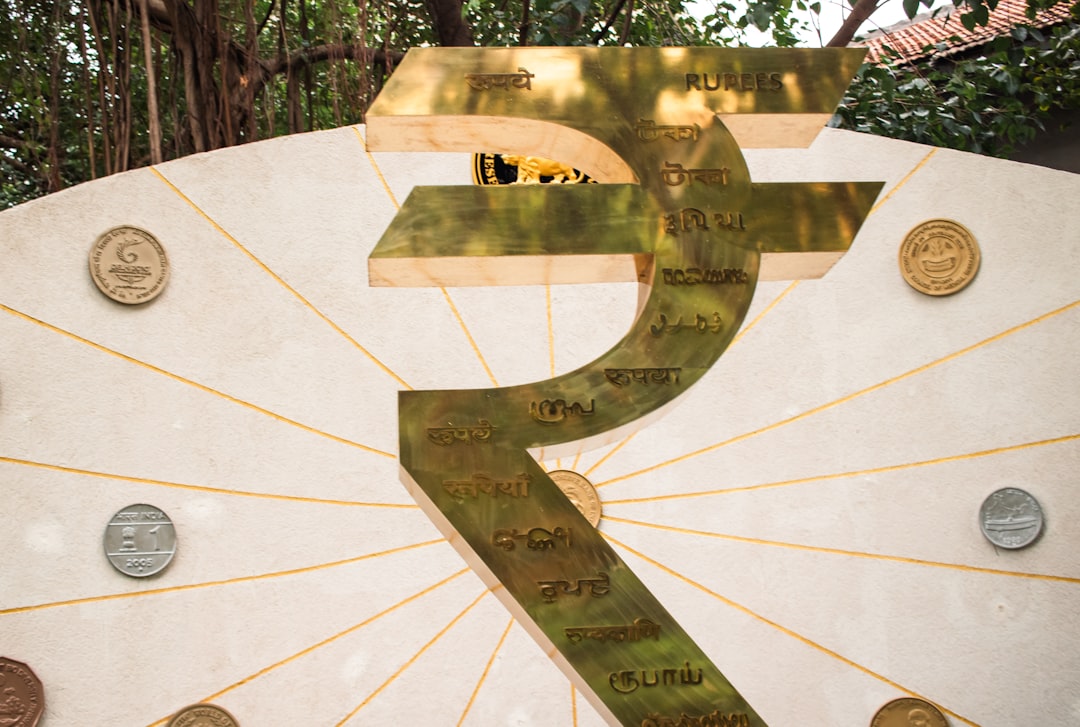
Furthermore, the adjustment of DA can set a precedent for the private sector. Companies may feel pressure to adjust their salary structures in response to government changes, potentially leading to a ripple effect across various industries. This could further influence overall wage growth and inflation in the broader economy.
This could further influence overall wage growth and inflation in the broader economy.
Significance of the DA Increase for Stakeholders
The recent increase in Dearness Allowance directly impacts millions of government employees and pensioners across India. It reflects ongoing efforts to address inflation and ensure financial stability for workers. Understanding these changes is crucial for anyone impacted by government salary structures.
As the government continues to navigate economic challenges, future adjustments to the Dearness Allowance may be necessary. Stakeholders will be watching closely to see how further increases may respond to rising inflation and their implications for both government employees and the broader economy.
 Government & Policy
RBI Repo Rate Hike Raises Home Loan EMIs for Borrowers
The Reserve Bank of India has raised the repo rate by 25 basis points, marking its first increase in four years. This hike will lead…
Read More →Written by Career Ahead AI. AI can make mistakes, so verify key facts. Report errors to support@careeraheadonline.com.





