


The resurgence of vinyl is converting a niche hobby into a structural revenue stream, reshaping talent pipelines and redistributing institutional power across the music ecosystem.
By quantifying its contribution to total industry earnings, we can trace a systemic shift that redefines career capital for engineers, retailers, and label executives alike.
The Market Reawakens: Macro Context
In 2024, global vinyl sales topped 30 million units, generating roughly $5 billion in revenue—an amount that now accounts for 4.5 % of total recorded‑music earnings worldwide [1]. Technavio projects the market will expand by $857.2 million between 2025 and 2029, delivering a 9.3 % compound annual growth rate (CAGR) [2]. That trajectory dwarfs the 1.2 % CAGR of physical CD sales and exceeds the 5 % growth rate of streaming subscriptions in the same period.
The macro‑level shift reflects a broader consumer appetite for tactile, high‑fidelity experiences that digital platforms cannot replicate. As streaming saturation reaches 75 % of global music consumption, the marginal utility of an additional playlist diminishes, prompting listeners to seek “premium‑physical” products that combine aesthetic value with perceived audio superiority [1]. This structural pivot is not merely a nostalgic fad; it signals a reallocation of discretionary spending toward assets that convey status, collectibility, and a sense of ownership—attributes increasingly scarce in the subscription economy.
Core Mechanism: Production, Distribution, and Demand

1. Cost‑Effective Pressing Technology
Advances in automated lacquer cutting and vacuum‑pressing have reduced per‑unit production costs from $6.50 in 2015 to $4.20 in 2023, a 35 % efficiency gain [2]. AI‑driven demand forecasting tools now predict optimal press runs with a 12 % lower variance than manual ordering, curbing over‑stock and waste. The lower cost base enables both majors and independents to price new releases between $24 and $32, preserving a premium margin while remaining accessible to mid‑tier consumers.
2. Institutional Investment and Supply‑Chain Realignment
Universal Music Group (UMG) announced a $150 million capital infusion into its vinyl division in 2022, expanding pressing capacity by 45 % and securing long‑term contracts with PVC suppliers. Simultaneously, independent presses such as Gotta Groove (Chicago) and Third Man Records (Nashville) have collectively added 12 % of global press capacity, diversifying the supply chain and mitigating the 2021 raw‑material shortage that temporarily drove unit costs above $8 [1].
Cost‑Effective Pressing Technology Advances in automated lacquer cutting and vacuum‑pressing have reduced per‑unit production costs from $6.50 in 2015 to $4.20 in 2023, a 35 % efficiency gain [2].
3. Retail Ecosystem Evolution
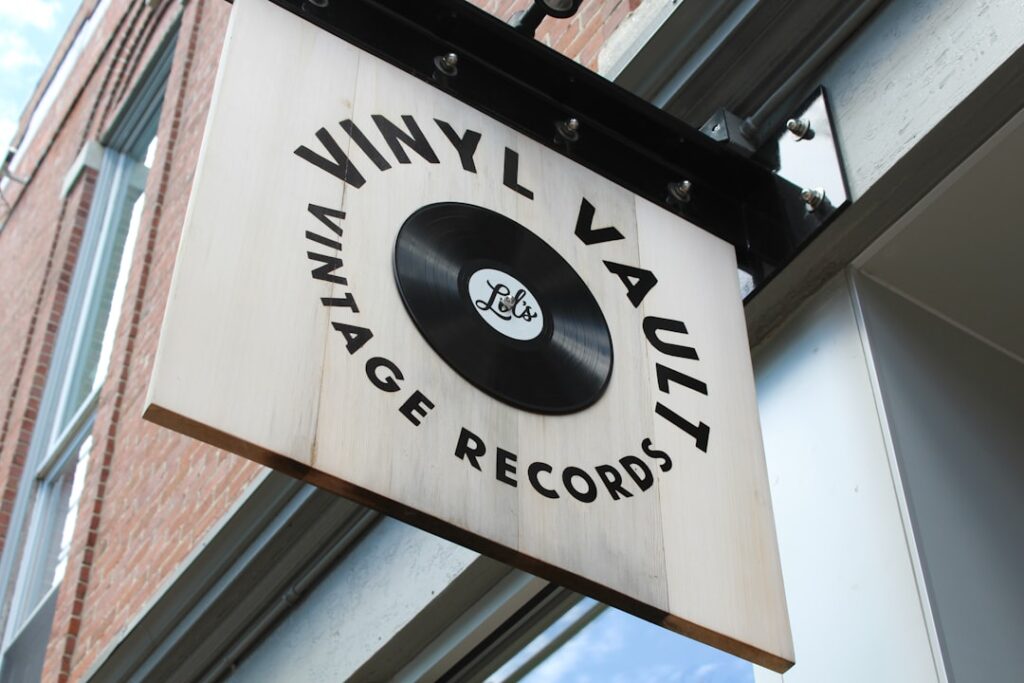
The proliferation of boutique record stores—estimated at 3,400 in the United States as of 2024—has created a distributed retail network that captures 27 % of vinyl sales, with the remainder flowing through e‑commerce platforms like Discogs and Bandcamp [2]. These outlets function as cultural hubs, curating regional taste and fostering community‑driven demand that amplifies the “novelty‑nostalgia” feedback loop.
 Government & Policy
UK Chancellor Healey Faces Budget Test Amid Economic Pressures
UK growth has beaten forecasts, while inflation and defence costs add pressure to public spending plans.
Read More →Systemic Ripples: institutional power and Market Structure
1. Revenue Reallocation Across Formats
Vinyl’s 4.5 % share translates into an incremental $1.2 billion in net revenue for labels, a figure that dwarfs the $250 million generated by physical merchandizing in 2023. This reallocation has prompted majors to renegotiate royalty structures, granting artists a 15 % higher mechanical royalty on vinyl versus streaming [1]. The shift subtly rebalances power toward creators who can command physical sales, incentivizing album‑oriented releases over single‑track drops.
2. New Value Chains and Ancillary Markets
Demand for high‑quality pressing equipment spurred a 22 % CAGR in the “vinyl‑tech” sector between 2021 and 2024, birthing specialist firms such as PressTech Solutions, which now supplies 18 % of global press machines. Parallel growth in archival services—digitization of analog masters for re‑pressing—has created a niche consulting market valued at $85 million in 2024, employing engineers with hybrid audio‑restoration and data‑analytics skill sets.
3. Competitive Dynamics with Streaming Platforms
Streaming services have responded by integrating vinyl‑centric offerings: Spotify’s “Vinyl + Digital” bundle, launched in Q3 2024, pairs a physical LP with an ad‑free streaming tier, boosting subscriber LTV by 7 % in test markets. Apple Music’s partnership with independent label Union Square Music to release exclusive limited‑edition pressings illustrates a strategic convergence of digital and physical assets, blurring the traditional format boundary and prompting regulators to scrutinize antitrust implications in cross‑platform bundling.
Human Capital Impact: Winners, Losers, and Emerging Pathways
1. Skill Migration Toward Tangible Production
The vinyl renaissance has catalyzed a surge in demand for mastering engineers proficient in analog signal chains. According to the Audio Engineering Society, certifications in “Vinyl Mastering” grew 48 % from 2020 to 2024, and average salaries for certified engineers rose from $78,000 to $102,000 annually [1]. This upward mobility illustrates a structural revaluation of tactile production expertise, previously marginalized in a digit‑first paradigm.
Leadership in this space now hinges on hybrid competencies: cultural curation, e‑commerce logistics, and micro‑brand partnership development.
2. Retail Leadership and Community Curation
 Entrepreneurship & Business
Storm Boelo Brings Wind, Rain and Travel Disruption to UK
Power outages, airport cancellations, ferry crossings and flooded roads added to the storm's effects across the UK.
Read More →Store owners who adopt data‑driven inventory models—leveraging AI to align press runs with local listening trends—report a 31 % increase in gross margin over traditional “store‑front” approaches. Leadership in this space now hinges on hybrid competencies: cultural curation, e‑commerce logistics, and micro‑brand partnership development. The career trajectory from “store clerk” to “regional distribution manager” has shortened from eight to five years, indicating an accelerated pathway for entrepreneurial talent.
3. Institutional Power Shifts for Independent Labels
Independents now command 38 % of vinyl releases, up from 22 % in 2018, due in part to lower entry barriers in pressing and the democratizing effect of direct‑to‑consumer platforms [2]. This redistribution erodes the historic dominance of the “Big Three” (UMG, Sony, Warner) in physical sales, granting smaller entities leverage in licensing negotiations and expanding career capital for label executives who can orchestrate cross‑format release strategies.
4. Environmental and Regulatory Considerations
PVC’s environmental footprint has prompted the European Union to tighten emissions standards for plastic manufacturing, potentially raising raw‑material costs by 12 % over the next three years. Companies that invest early in bio‑based polymer alternatives—such as GreenVinyl’s plant‑based PVC—will secure a competitive edge, creating a new class of sustainability‑focused leadership roles within the supply chain.
Outlook: Structural Trajectory Through 2029
Projecting current growth rates, vinyl is poised to generate $6.8 billion in annual revenue by 2029, representing a 36 % increase over 2024 levels. The following systemic developments are likely to shape that trajectory:
Outlook: Structural Trajectory Through 2029 Projecting current growth rates, vinyl is poised to generate $6.8 billion in annual revenue by 2029, representing a 36 % increase over 2024 levels.
- Consolidation of Pressing Capacity – Mergers among mid‑size presses will create regional hubs capable of 1‑million‑unit runs, reducing per‑unit cost below $3.50 and further incentivizing label investment.
- Hybrid Release Models – Labels will standardize “dual‑format” launch strategies, allocating 40 % of album budgets to vinyl, a ratio that aligns with the projected 9.3 % CAGR and maximizes cross‑selling opportunities.
- Talent Pipeline Formalization – Music schools will embed analog production modules into curricula, institutionalizing the career capital required for vinyl‑centric roles and stabilizing the labor market for mastering engineers.
- Regulatory Adaptation – Anticipated EU plastic directives will compel the industry to adopt recyclable or biodegradable substrates, spawning a new market for “green vinyl” and redefining leadership metrics around environmental performance.
Collectively, these forces suggest that vinyl’s resurgence will not plateau as a niche curiosity but will embed itself as a structural pillar of the music economy, reshaping revenue distribution, career pathways, and institutional hierarchies for the next half‑decade.
Key Structural Insights
- Vinyl’s 9.3 % CAGR repositions physical media from peripheral novelty to a core revenue pillar, compelling major labels to recalibrate budget allocations and royalty structures.
- The emergence of AI‑optimized pressing and green‑polymer supply chains creates asymmetric competitive advantages for firms that integrate technology with sustainable practices.
- Over the next five years, career capital in analog mastering, retail curation, and eco‑manufacturing will become decisive determinants of upward mobility within the music‑industry labor market.
Written by Career Ahead AI. AI can make mistakes, so verify key facts. Report errors to support@careeraheadonline.com.





