The expansion into Germany is significant for several reasons. It not only demonstrates Waymo's commitment to international growth but also highlights the increasing global interest in autonomous vehicle technology. As Waymo prepares to navigate the unique regulatory and operational landscape of Germany, it opens up new opportunities and…
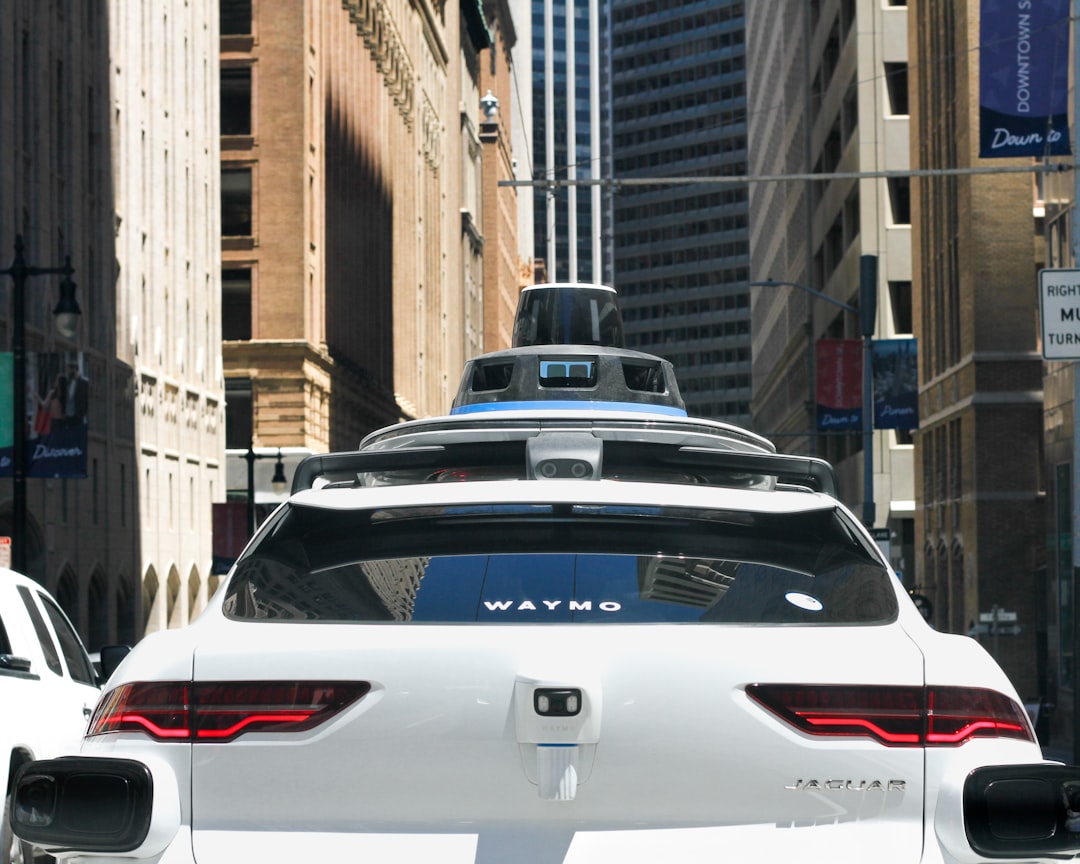
Germany — Waymo is set to launch its driverless ride-hailing services in Germany by the end of 2027. This marks the company’s first entry into the European Union, following its expansions in other international markets. The Alphabet Inc. subsidiary plans to begin testing vehicles in Munich shortly, with trained specialists behind the wheel to gather data and adapt its self-driving technology to local driving conditions.
The expansion into Germany is significant for several reasons. It not only demonstrates Waymo’s commitment to international growth but also highlights the increasing global interest in autonomous vehicle technology. As Waymo prepares to navigate the unique regulatory and operational landscape of Germany, it opens up new opportunities and challenges for professionals in the autonomous vehicle engineering and urban transportation planning sectors.
Impact on Regulatory Frameworks in the EU
Waymo’s entry into the German market will likely prompt a reevaluation of existing regulatory frameworks governing autonomous vehicles in the European Union. Currently, the EU has stringent regulations regarding the testing and deployment of self-driving technology, designed to ensure safety and compliance with local laws. As Waymo begins its operations, it may push for adaptations in these regulations to facilitate smoother integration of its services.
Career Ahead’s analysis finds that the EU’s regulatory landscape is evolving, with many member states seeking to balance innovation with public safety. Experts suggest that Waymo’s presence could accelerate the development of a cohesive regulatory framework across the EU, potentially influencing policies in other countries as well. This shift may create a demand for engineers who are well-versed in both local laws and technological standards. According to a report from Bloomberg, Waymo’s testing in Munich will involve creating high-definition maps to ensure its self-driving software can adapt to the city’s distinct driving conditions, which will require compliance with Germany’s specific traffic laws and urban planning guidelines.
Additionally, Waymo’s operations will need to align with Germany’s specific traffic laws and urban planning guidelines. This requires engineers to have a deep understanding of the regulatory environment, making expertise in compliance a valuable asset. Urban transportation planners will also need to adapt their strategies to accommodate the influx of driverless vehicles, which could reshape city infrastructure and public transport systems. The integration of autonomous vehicles into existing urban frameworks may necessitate significant changes, such as the development of dedicated lanes for driverless cars and the incorporation of smart traffic management systems.
Divergent Technologies is set to revolutionize defense manufacturing through advanced technologies like 3D printing, aiming to enhance efficiency and reduce costs.
The integration of autonomous vehicles into existing urban frameworks may necessitate significant changes, such as the development of dedicated lanes for driverless cars and the incorporation of smart traffic management systems.
As the regulatory environment evolves, it will be crucial for professionals in the field to stay informed about changes and potential challenges. Waymo’s expansion may serve as a catalyst for new regulations and initiatives aimed at fostering innovation while ensuring public safety. The company’s approach to compliance and collaboration with local authorities will be closely watched as a model for future autonomous vehicle deployments across Europe.
Job Creation and Collaboration Opportunities
Waymo’s expansion into Germany is expected to generate significant job opportunities within the autonomous vehicle sector. As the company ramps up its operations, it will require a diverse range of talent, from software engineers to urban planners, to support its ambitious goals. This demand for skilled professionals presents a unique opportunity for job seekers in the field. According to data from Career Ahead’s analysis, the autonomous vehicle market in Europe is projected to grow rapidly, with job openings in engineering and technology expected to increase by 25% over the next five years. This growth is driven by the need for specialized skills in areas such as machine learning, data analysis, and regulatory compliance. Professionals who can navigate the complexities of the European market will be in high demand.
Collaboration between Waymo and local transportation agencies will also play a vital role in shaping the future of urban mobility. As Waymo integrates its services into existing transportation networks, partnerships with local governments and agencies will be essential. This collaboration may lead to innovative solutions that enhance public transport systems and improve overall urban mobility. The potential for joint initiatives could see Waymo working alongside local transit authorities to develop integrated transportation solutions that leverage both autonomous vehicles and traditional public transport systems.
Urban transportation planners will have the opportunity to work closely with Waymo to design infrastructure that accommodates autonomous vehicles. This could involve rethinking traffic patterns, developing dedicated lanes, and integrating smart city technologies. The potential for collaboration presents exciting prospects for professionals eager to influence the future of transportation in Germany. As noted by CNBC, Waymo’s recent expansions in the U.S. have already demonstrated the potential for job creation and innovation in urban mobility, and similar outcomes are anticipated in the German market.
As Waymo’s operations expand, professionals in the field should be prepared to engage in new partnerships and explore innovative approaches to urban mobility. The landscape of job opportunities will continue to evolve as the company adapts to the unique challenges and demands of the German market. Waymo’s entry into Germany represents a significant step forward for the autonomous vehicle industry. As the company navigates regulatory challenges and seeks to establish partnerships, it will be interesting to see how these developments shape the future of urban transportation. Will this expansion lead to a new wave of innovation and collaboration in the sector?
The competition for AI talent between the US and China is growing, with significant implications for job opportunities and recruitment strategies in the field. The…
Urban transportation planners will have the opportunity to work closely with Waymo to design infrastructure that accommodates autonomous vehicles.
Frequently Asked Questions
What are the implications of Waymo’s expansion for autonomous vehicle engineers?
Waymo’s expansion into Germany presents new opportunities for autonomous vehicle engineers, particularly in regulatory compliance and technology adaptation. Engineers will need to develop skills that align with EU regulations and local driving conditions to succeed in this evolving landscape.
How can urban transportation planners prepare for the arrival of driverless services in Germany?
Urban transportation planners should focus on understanding the regulatory environment and exploring innovative infrastructure solutions. Collaborating with companies like Waymo can help planners design systems that integrate autonomous vehicles effectively into existing transportation networks.
What skills should autonomous vehicle engineers develop to succeed in the European market?
Engineers should prioritize skills in regulatory compliance, machine learning, and data analysis to thrive in the European autonomous vehicle market. Understanding local traffic laws and urban planning principles will also be essential for adapting technology to meet regional needs.




Industry & Global Trends
 Industry & Global Trends