No products in the cart.

Waymo’s Custom Chip Powers Robotaxi Revolution | Career Outlook

Waymo's new custom silicon chip is set to transform its robotaxi services, enhancing performance and safety in urban environments.

Waymo has unveiled its custom silicon chip, a significant advancement in robotaxi technology. This 5 nm ASIC chip enhances the performance of its autonomous vehicles by processing vast amounts of data from the Waymo Ojai robotaxi, which is equipped with 13 high-fidelity cameras. With a processing capability exceeding 1,000 TOPS (trillions of operations per second), this chip positions Waymo competitively against leading automotive processors like Nvidia’s DRIVE AGX Thor. According to TechCrunch, this custom chip is crucial for the vehicle’s ability to perceive its surroundings and make real-time decisions, essential for navigating complex urban environments.
This development is pivotal as Waymo expands its robotaxi services in major U.S. cities such as Los Angeles, Phoenix, and San Francisco. The company asserts that this next-generation vehicle is more cost-effective to build and operate, which is vital for achieving safety and efficiency in densely populated areas. The chip enables the system to react swiftly and accurately in high-density situations, a critical factor for the future of autonomous driving. TechCrunch highlights that the introduction of this chip marks a major milestone in Waymo’s ambition to scale its operations and enhance the reliability of its autonomous fleet.
Impact on Engineering Careers
The launch of Waymo’s custom chip signifies a shift in the skill sets required for hardware and robotics engineers. As the industry increasingly focuses on specialized hardware for autonomous vehicles, engineers must acquire expertise in custom chip design and data processing. This trend suggests a growing demand for engineers capable of developing efficient, high-performance chips for autonomous systems. Familiarity with semiconductor technology is becoming essential as the industry moves toward more integrated systems.
Career Ahead’s analysis indicates that the demand for engineers skilled in semiconductor design is expected to surge in the coming years. As companies like Waymo innovate, hardware engineers will play a crucial role in developing the next generation of autonomous vehicle technologies, creating new career paths that connect software algorithms with hardware capabilities. Collaborations between Waymo and industry leaders such as AMD, Micron, and TSMC underscore the importance of teamwork in advancing chip technology. Engineers will need to understand chip design and effectively collaborate within these partnerships, leading to a more integrated approach in developing autonomous systems.
Impact on Engineering Careers The launch of Waymo’s custom chip signifies a shift in the skill sets required for hardware and robotics engineers.
Emerging Job Roles in Autonomous Vehicles
The rise of custom chips in autonomous vehicles is set to generate numerous job opportunities in the robotics and automotive sectors. As companies like Waymo expand their fleets and services, the demand for skilled professionals will increase. Specialized roles, such as chip designers and systems engineers, are likely to see significant growth as the industry evolves. The autonomous vehicle market is projected to reach $800 billion by 2035, according to Career Ahead’s research, further driving job creation in this sector.
You may also like
 AI & Technology
Amazon releases its own Jev clone as decision models flood the web
Amazon Web Services (AWS) has launched the Strands Decider 2B, an open-source decision model inspired by TypeSafe's Jev, aimed at enhancing automated decision-making in various…
Read More →Moreover, the integration of advanced technologies like AI and machine learning into autonomous systems will necessitate engineers with diverse skill sets. Professionals who can merge hardware design expertise with AI knowledge will be in high demand. This combination of skills will enable engineers to create more efficient and effective autonomous systems, fostering further innovation in the field. As noted in TechCrunch’s analysis, companies that leverage custom silicon will gain a competitive edge.
As the industry matures, engineers must also be well-versed in the regulatory and safety standards governing autonomous vehicles. Understanding these frameworks is crucial for those aspiring to work in this space, as compliance will play a vital role in developing and deploying new technologies. The evolving nature of these regulations will require engineers to be proactive, ensuring their designs meet performance benchmarks and adhere to safety protocols.
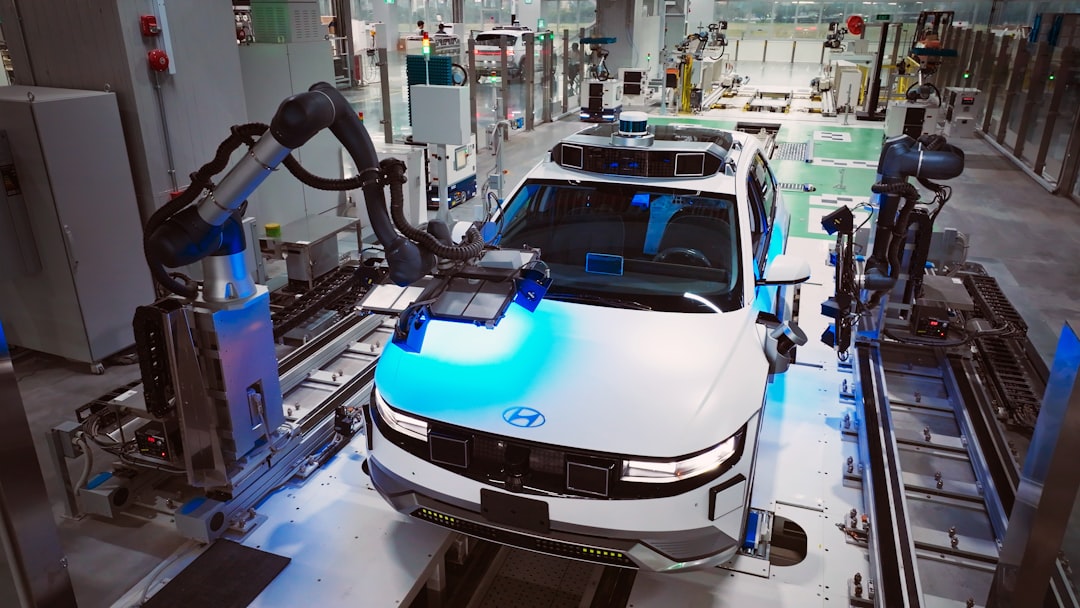
Waymo’s custom chip represents a significant leap in robotaxi technology, highlighting the essential role of specialized hardware in the evolution of autonomous vehicles. As this sector expands, engineers must embrace new challenges and opportunities arising from these advancements. With the autonomous vehicle market poised for rapid growth, the future looks promising for those entering this field.
Frequently Asked Questions
What are the key features of Waymo’s custom chip?
Waymo’s custom chip is a 5 nm ASIC designed to manage large data volumes from its robotaxis, delivering over 1,000 TOPS for quick responses in complex environments, essential for safe autonomous driving.
Understanding these frameworks is crucial for those aspiring to work in this space, as compliance will play a vital role in developing and deploying new technologies.
How can hardware engineers prepare for roles in autonomous vehicle technology?
Hardware engineers should focus on skills in custom chip design and data processing while staying updated on the latest advancements in semiconductor technology as the industry evolves.

What skills are necessary for robotics engineers working on autonomous systems?
Robotics engineers need a strong foundation in hardware design and software algorithms, with expertise in AI and machine learning being beneficial as these technologies are increasingly integrated into autonomous systems.
You may also like
 AI & Technology
OpenAI fires workers for mishandling 'sensitive information'
OpenAI has fired three researchers for mishandling sensitive information, highlighting the growing scrutiny over data handling in artificial intelligence. This incident raises important questions about…
Read More →