India's Gen Z is increasingly frustrated with an education system that does not meet their needs. This unrest highlights the urgent call for reforms to better prepare students for university and future careers.
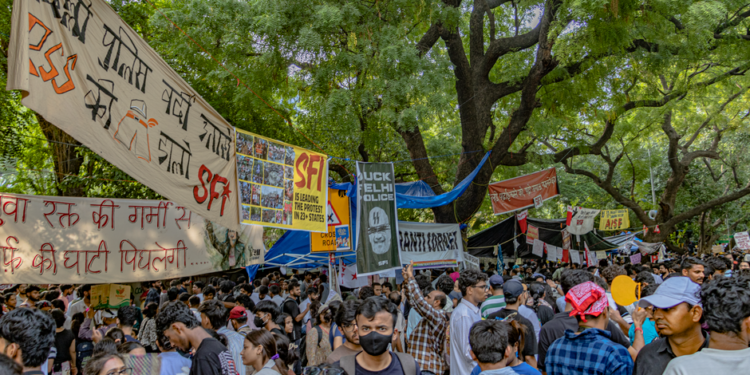
India’s Gen Z is expressing strong dissatisfaction with the current education system. Recent protests show a big gap between what students learn and the skills needed for university and jobs. The slogan “We Are Not Learning Anything” captures the frustration of young people who feel unprepared for their futures.
The protests are growing across various states. Students argue that the curriculum fails to equip them with essential skills for a competitive job market. Rapid technological changes make this issue worse, as they require different skills than those taught in traditional education.
The Demand for Vocational Training and Curriculum Updates
Career Ahead’s analysis reveals an urgent need for more vocational training programs in India. Many students are dissatisfied and want educational institutions to change their offerings. According to learnanything.co.in, vocational education can connect theoretical knowledge with practical skills, making students more employable.
Additionally, the focus on STEM (Science, Technology, Engineering, and Mathematics) education needs to be reassessed. The National Association of Software and Service Companies (NASSCOM) states that the tech sector is changing quickly. Students must gain relevant skills to stay competitive, including both technical and soft skills like communication and teamwork.
Career Ahead research shows that universities face pressure to change their admission criteria. Many institutions are starting to realize that traditional metrics, like standardized test scores, may not predict student success in today’s workforce. This could lead to a more holistic admissions approach that values practical experiences alongside academic achievements.
Students must gain relevant skills to stay competitive, including both technical and soft skills like communication and teamwork.
In response to these trends, the government has started several programs to improve vocational training and update the curriculum. For example, the iLearn platform offers online courses that meet industry needs. However, the effectiveness of these initiatives is still uncertain, as many students continue to express concerns about education quality.
Implications for University Admissions and Future Workforce
The impact of these educational demands goes beyond high school students. University admissions officers must rethink how they evaluate candidates. As students seek skills that match job market needs, universities must adapt to attract and keep top talent. The pressure to innovate in admissions processes is increasing, as institutions aim to stay relevant.
Career Ahead’s analysis suggests that universities may need to adopt more flexible admission criteria. This could include alternative assessments like portfolios, interviews, and practical tests that better showcase a student’s abilities. Such changes could encourage students to explore diverse learning paths, including online courses and certifications that boost employability.
Moreover, the current educational landscape presents challenges for the workforce. Companies want candidates with specific skills, creating a disconnect between what schools offer and what employers need. The Khan Academy India stresses the importance of aligning education with real-world applications to prepare students effectively.
The Khan Academy India stresses the importance of aligning education with real-world applications to prepare students effectively.
There is a pressing need for collaboration between educational institutions and industries. Companies can help shape curricula to reflect current and future job market needs. This partnership could lead to more internships, mentorships, and job placements, benefiting both students and employers.
With the educational system under scrutiny, the question remains: how will these reforms affect India’s workforce? As the government and educational institutions respond to Gen Z’s demands, the outcome could reshape education and employment in the country.
The ongoing protests and calls for reform mark a critical moment in India’s educational journey. As students advocate for change, there is potential for a more responsive and relevant education system. However, the success of these initiatives will depend on all stakeholders’ willingness to collaborate and innovate for the future.
Frequently Asked Questions
What skills do high school students in India need for university success?
Career Ahead research shows that high school students in India should develop critical thinking, problem-solving, and effective communication skills. Proficiency in digital tools and teamwork are also important for university readiness.
Career Ahead research shows that high school students in India should develop critical thinking, problem-solving, and effective communication skills.
A recent SBI report reveals a 34% vacancy rate in teaching positions across centrally funded institutions in India, raising concerns about educational quality and faculty…
How can university admissions officers adapt to changes in high school education?
University admissions officers can adapt by using more flexible criteria that consider practical experiences and skills. This may include evaluating portfolios, conducting interviews, and recognizing online courses.
What should high school students do to improve their employability in India?
High school students should pursue vocational training and online courses that match industry needs. Engaging in internships and building a diverse skill set can greatly improve their employability.



 Education & University Insights
Education & University Insights