
New York, USA — For the first time in over a decade, global enrollment in traditional four-year degree programs has declined sharply in 2025, driven predominantly by Generation Z. Data released this year from UNESCO, the OECD, and the World Bank show a consistent drop in college enrollments across major education hubs including North America, Europe, and parts of Asia, correlating with soaring tuition costs and shifting career aspirations.[1] The phenomenon is not confined to any single economy: from the United States, where university tuition rose 15% over the past five years, to Germany and South Korea, long considered bastions of higher education participation, fewer young adults are opting for traditional degrees.[2]
This downward trend stems from a confluence of economic pressure, evolving labor market demands, and the rise of alternative education pathways like micro-credentials, coding bootcamps, and employer-led training. For Gen Z, the calculus of investing time and money in a four-year program has become less certain, especially as digital transformation accelerates and the pace of skills obsolescence intensifies.[3] The implications ripple far beyond academia: employers, policymakers, and educators face urgent questions about how to redefine credentials, learning models, and workforce readiness in a rapidly changing global economy.
Global Enrollment Trends: A Decade of Change
From 2010 to 2024, global higher education enrollment steadily climbed, fueled by expanding middle classes in emerging markets and government investment in tertiary education. UNESCO's 2024 Education Report noted a 40% increase in university participation worldwide during this period.[1] However, 2025 marked a sharp inflection point. Preliminary data show a 7% decline in first-year university enrollments globally, with the largest drops in the United States (8%), South Korea (10%), and the United Kingdom (6%). The European Union reports a similar trend, though with regional variation related to economic conditions and national policies. Tuition inflation has played a pivotal role. In the US, average annual tuition fees at public universities reached $12,300 in 2025, up from $10,650 in 2020, outpacing wage growth for young adults.[2] Meanwhile, countries with lower or no tuition fees, like Germany and Scandinavian nations, still observe enrollment declines, suggesting other factors such as changing perceptions of degree value and labor market dynamics are also at play.
Shifting Career Priorities and Alternative Pathways
Gen Z’s prioritization of practical skills and immediate employability over traditional academic credentials reflects broader cultural and economic shifts. Employers increasingly emphasize skills-based hiring, valuing certifications, portfolios, and demonstrable competencies over formal degrees. LinkedIn’s 2025 Workforce Report highlights a 25% increase in job postings that do not require a bachelor’s degree compared to 2015.[3]
Simultaneously, alternative education models have gained traction. Coding bootcamps like General Assembly and Flatiron School report record enrollments, while platforms such as Coursera and edX have expanded offerings of micro-credentials and professional certificates tied directly to industry needs. Companies like IBM and Google have launched their own certification programs as substitutes for traditional degrees. This shift is not without challenges. Critics caution that the lack of standardized accreditation and uneven quality control in alternative education creates risks for both learners and employers. Yet, for many Gen Z learners, the flexibility, lower cost, and direct career linkage make these options more attractive than the rising debt and uncertain ROI of a traditional degree.
Shifting Career Priorities and Alternative Pathways Gen Z’s prioritization of practical skills and immediate employability over traditional academic credentials reflects broader cultural and economic shifts.
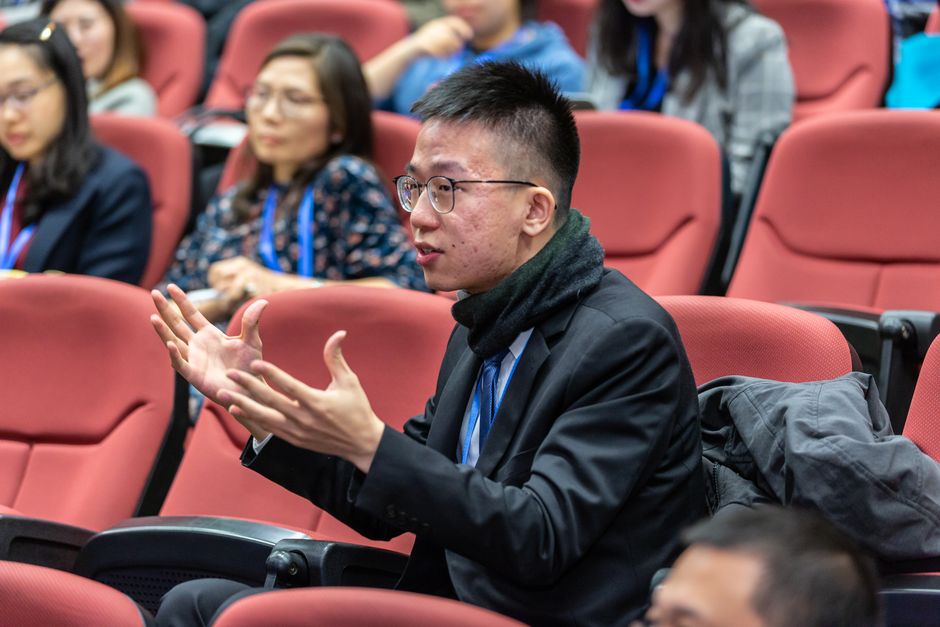 Education & University Insights
India’s Higher Education Agenda Puts Skills, Research and Faculty First
A panel framed the debate around India@2047, while a university chancellor said competitive research ecosystems can take 10–15 years to develop.
Read More →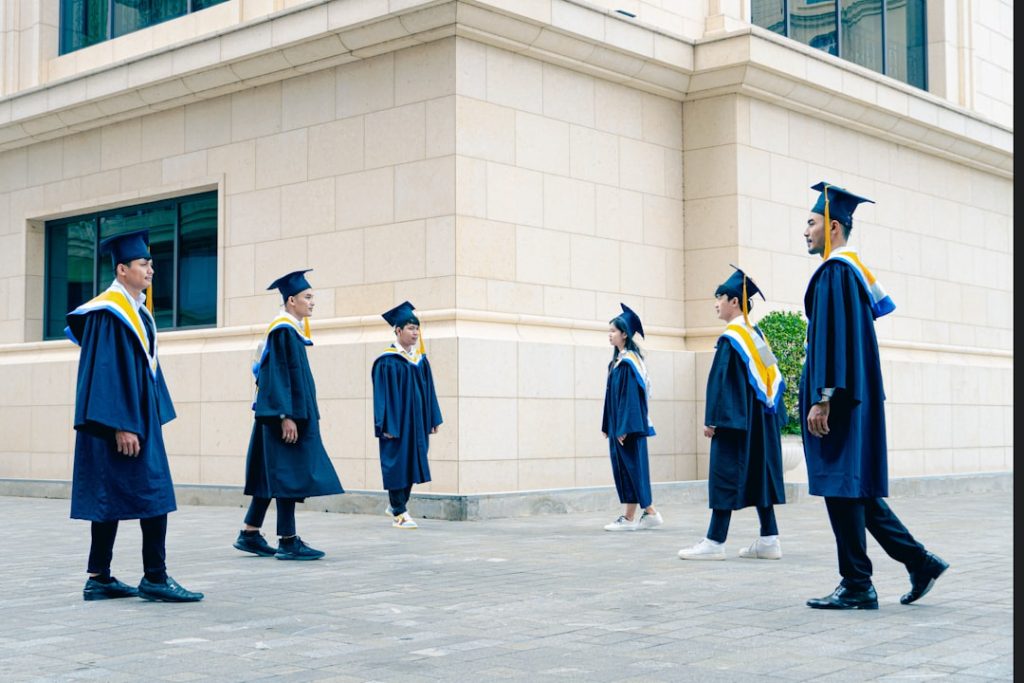
Economic and Social Contexts Driving the Shift
The post-pandemic economic environment and rising inflation rates have intensified financial pressures on young adults. The World Bank’s Global Economic Prospects Report (2025) underscores that youth unemployment rates remain stubbornly high in many regions, reaching 20% in parts of Southern Europe and Latin America.[4] For many, the prospect of accruing debt without guaranteed employment is untenable. Social attitudes toward higher education are also evolving. Surveys conducted by the Pew Research Center in 2025 show 54% of Gen Z respondents question whether a four-year degree is necessary for success, up from 38% in 2015. This skepticism is fueled by visible stories of college debt burdens and high-profile entrepreneurs who succeeded without degrees. Moreover, the digital-native generation expects more personalized, technology-enabled learning experiences. Traditional universities, often slow to innovate, struggle to compete with agile edtech startups offering on-demand, modular learning that fits diverse lifestyles and career goals.
Perspectives from Industry and Academia
University administrators acknowledge the enrollment slump but emphasize the enduring value of comprehensive education. Dr. Maria Fernandez, Provost at the University of Toronto, argues that "while alternative credentials serve immediate needs, the critical thinking, creativity, and networking opportunities provided by traditional degrees remain unmatched." However, many universities are adapting by expanding hybrid programs and integrating micro-credentials into their offerings. Employers are divided. Tech giants like Microsoft have publicly stated that they no longer require a four-year degree for many roles, emphasizing skills assessments instead. Meanwhile, sectors such as healthcare, engineering, and law maintain strict degree requirements due to regulatory standards and professional competencies. Policy experts advocate for a more flexible education ecosystem. The OECD’s 2025 Education Policy Outlook calls for governments to support credential transparency, quality assurance in alternative learning, and stronger links between education providers and labor markets to ensure workers are prepared for future demands.[3]
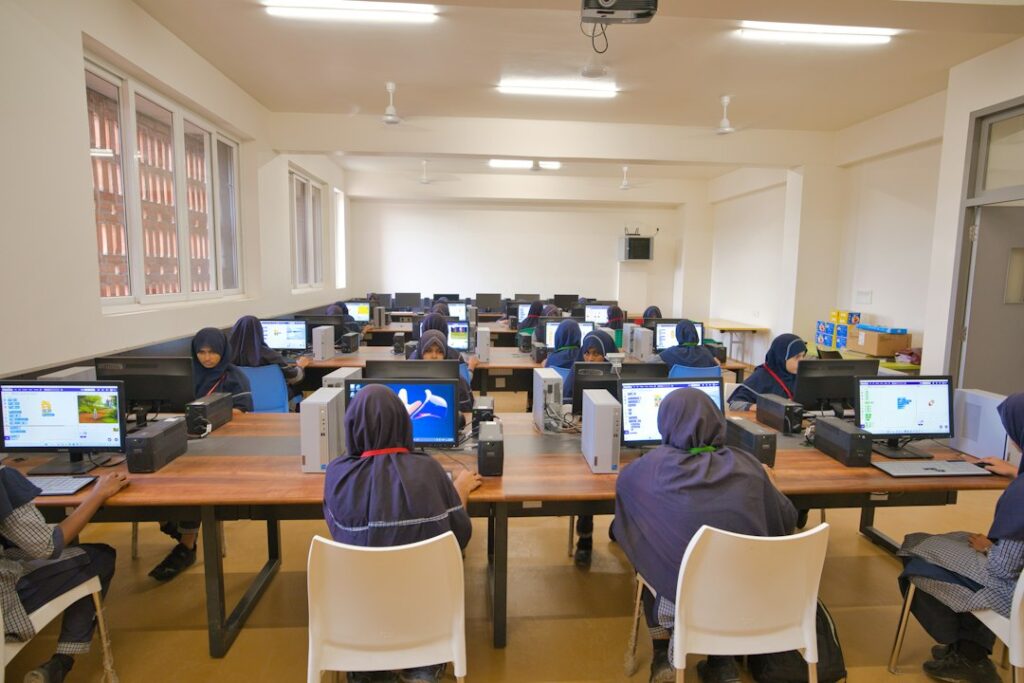 Education & University Insights
Education Ranks as the Most Cyber-Attacked Sector
An LMS breach exposed student data, while AI can tailor phishing and clone school leaders’ voices.
Read More →Redefining Education and Career Pathways
Looking ahead, the decline in traditional degree enrollment signals a broader redefinition of what constitutes valuable education. For professionals and students, this means embracing lifelong learning models and a portfolio approach to skills acquisition. Educators must innovate curriculum design and delivery to stay relevant. This includes modular courses, competency-based assessments, and closer collaboration with industries to tailor programs that align with evolving job market trends. For policymakers, the challenge lies in balancing access, quality, and affordability. Supporting diverse educational pathways while maintaining rigorous standards will be critical to harness Gen Z’s potential and avoid deepening socio-economic divides. As the global economy evolves, Gen Z’s retreat from traditional degrees is less a rejection of education than a call for systems that reflect the realities of modern careers and personal aspirations. Institutions that respond thoughtfully will shape the future workforce and unlock new opportunities for innovation and inclusive growth.
Written by Career Ahead AI. AI can make mistakes, so verify key facts. Report errors to support@careeraheadonline.com.