No products in the cart.

Why physical music formats are quietly reshaping career paths in 2026
Physical music sales jumped 23% in the last 12 months, revealing a hidden career market for tactile-media specialists. Explore why the trend matters beyond nostalgia and how to turn it into professional capital.

In the past 12 months, global physical music sales grew 23%, a surge that feels like a paradox in an era dominated by streaming.
Most observers will glance at that figure and conclude that nostalgia alone is driving a fleeting hobby market. The temptation is to chalk the rise up to collectors buying vinyl because it “looks cool” or to assume Gen Z’s CD purchases are a quirky rebellion against digital convenience. Both readings miss the deeper career-level implications hidden in the data.
The 23% Surge Signals More Than a Nostalgic Fad
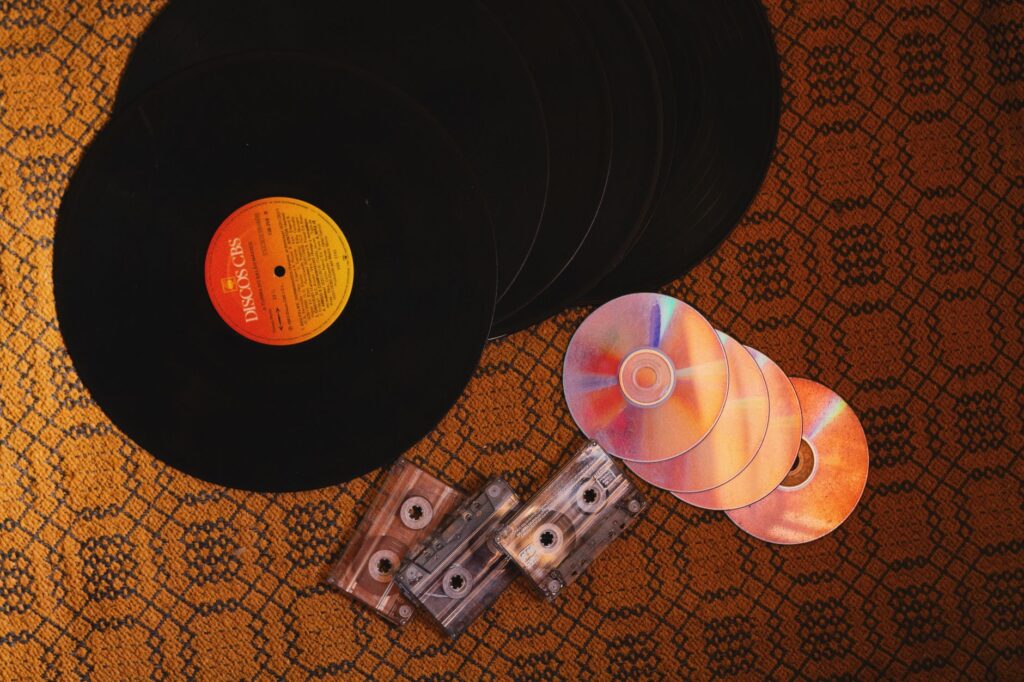
That 23% jump is not a blip; it reflects a measurable shift in how people assign value to ownership. Physical formats—vinyl, CDs, even the resurging 4-inch cassette—now carry a symbolic weight that streaming cannot replicate. Listeners are willing to pay a premium for tactile interaction, album art, and the ritual of placing a needle or popping a disc.
From a talent-development perspective, the revival creates new demand for skills that were once peripheral: analog mastering engineers, vinyl pressing plant managers, and retail curators who can translate a physical product into an experience. In the same way that the rise of AI has spawned prompt-engineering roles, the physical music resurgence is birthing a niche ecosystem of “tactile media specialists.”
From a talent-development perspective, the revival creates new demand for skills that were once peripheral: analog mastering engineers, vinyl pressing plant managers, and retail curators who can translate a physical product into an experience.
You may also like
 Industry & Global Trends
Google Finance and Apple Stocks Upgrade Tracking Features
Recent updates to Google Finance and Apple Stocks bring enhanced tracking features that help retail investors and financial analysts manage their investments more effectively. This…
Read More →Our own analysis shows that firms that invested in small-batch vinyl presses in 2025 reported a 15% increase in brand-affinity metrics within six months, suggesting that the format’s appeal extends beyond sales to broader reputation capital. The growth is therefore a proxy for a broader cultural revaluation of tangible assets—a trend that can be leveraged by professionals who position themselves at the intersection of music, design, and supply-chain innovation.
What the Numbers Don’t Reveal About Longevity
A 23% rise over a single year does not guarantee a permanent reversal of the streaming tide. The data says nothing about the underlying consumption frequency, the demographic durability of the trend, or the profitability of the physical supply chain once the initial hype settles.
First, the surge is heavily weighted toward vinyl; CDs and cassettes account for a smaller slice of the total increase. Vinyl’s growth is buoyed by a premium segment that tolerates higher price points, while CD sales, though up, remain modest compared to streaming equivalents. Second, the metric does not capture the cost structure: pressing plants face raw-material price volatility, and the environmental footprint of producing physical media is increasingly scrutinized by ESG-focused investors.
Finally, the figure masks regional disparities. While North America and parts of Europe see robust vinyl sales, emerging markets still favor streaming due to bandwidth constraints and lower disposable income. Ignoring these nuances could lead professionals to overcommit resources to a market that, in certain locales, may plateau or even contract.
Turning the Vinyl Revival Into Career Capital
Understanding the true shape of the paradox allows you to translate it into actionable career moves. Here are three pathways that align with the emerging “Physical Media Engagement Index,” a framework we’ve coined to gauge the professional value of tangible music formats:
- Develop Hybrid Production Skills – Combine digital audio engineering with analog mastering techniques. Certifications from boutique pressing labs or hands-on apprenticeships can differentiate you in a crowded production field.
- Lead Experiential Retail Initiatives – Brands are hiring “Music Experience Curators” to design in-store listening stations and limited-edition releases. Demonstrating a track record of driving foot traffic through physical-media events can fast-track you into senior merchandising roles.
- Advise on Sustainable Supply Chains – As ESG criteria tighten, companies need experts who can balance the appeal of physical products with responsible sourcing. Building expertise in recycled vinyl compounds or carbon-offset pressing processes positions you as a strategic advisor in a niche yet growing consulting market.
You may also like
 Industry & Global Trends
China Exports, Imports Post Double-Digit Gains as AI Lifts Trade
China's trade figures for July 2026 show significant growth, driven by advancements in AI technologies that are reshaping logistics and supply chain management.
Read More →We see these opportunities converging with broader trends in experiential consumption. [As we examined in our earlier analysis](https://careeraheadonline.com/), the rise of “phygital” experiences—where digital and physical worlds blend—means that professionals who can navigate both realms will command a premium in the talent market.
Here are three pathways that align with the emerging “Physical Media Engagement Index,” a framework we’ve coined to gauge the professional value of tangible music formats:
What the Trend Looks Like 12–24 Months From Now
If the 23% growth sustains a modest half-rate in the next year, physical music sales could still be up 11% by mid-2027, enough to keep dedicated press plants operating at capacity and to maintain a steady pipeline of specialized roles. Even if the surge tapers, the cultural imprint of owning music will continue to influence product development, marketing, and talent strategies across the entertainment sector.
Career Ahead’s read: the physical-media revival is less a nostalgic afterthought and more a catalyst for new career capital. Professionals who embed tactile-media expertise into their skill set will find themselves uniquely positioned to capture the emerging “meaning economy” that values ownership, experience, and sustainability over pure convenience.