No products in the cart.

Amazon Ordered to Collectively Bargain
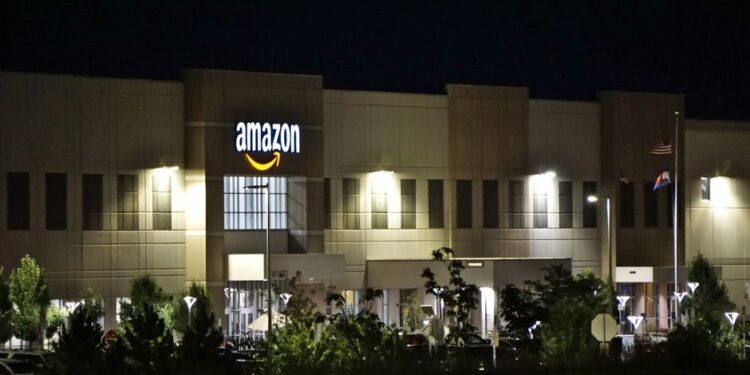
This ruling is a pivotal moment for labor relations, especially considering the ongoing tensions between large corporations and labor unions.

San Francisco, US — A U.S. labor board judge has ordered Amazon.com Inc. to negotiate with its warehouse workers in California. This ruling, from National Labor Relations Board (NLRB) judge Michael Silverstein, may greatly affect labor relations in tech and logistics. The decision follows the Teamsters union’s success in gaining majority support at a San Francisco delivery center in 2024.
This ruling marks a key moment for labor relations. It highlights the ongoing tensions between big companies and labor unions. The NLRB’s decision comes after Amazon refused to recognize the Teamsters union, which had enough support from workers. Silverstein’s ruling is based on a precedent from the Biden administration, specifically the _Cemex Construction Materials Pacific LLC_ case. This case requires companies to recognize a union or request a formal election if a true majority is shown.
Implications for Collective Bargaining Rights
The ruling could change collective bargaining rights for warehouse workers. Career Ahead analysis shows that this decision strengthens labor unions’ rights and sets a key precedent for future negotiations in logistics and tech. If Amazon must negotiate with the Teamsters, other unions may feel empowered to take similar actions against large companies.
Career Ahead analysis shows that this decision strengthens labor unions’ rights and sets a key precedent for future negotiations in logistics and tech.
Amazon has faced criticism for its labor practices, including claims of anti-union tactics. This ruling may force the company to rethink its approach to labor relations. It could lead to more transparency and cooperation with union representatives. The outcome of this case may also influence how other logistics companies handle unionization efforts, promoting a more collaborative environment.
You may also like
 Government & Policy
Deepwater Gas Price Ceiling Hits $9.89/MMBtu | Career Outlook
The Indian government has raised the ceiling price for deepwater gas to $9.89 per million British thermal units (MMBtu), effective from October 1, 2026. This…
Read More →Additionally, this ruling could motivate warehouse workers nationwide to fight for their rights. As workers learn about their collective bargaining rights, we may see a rise in unionization efforts. This trend could improve working conditions, wages, and job security for warehouse employees. A report from the _Los Angeles Times_ notes that the NLRB’s ruling comes at a time when labor movements are gaining strength, with workers eager to assert their rights across various sectors.
This ruling also shows the growing power of labor unions in tech and logistics. As companies like Amazon expand, the pressure to maintain good working conditions will likely rise. This ruling signals a shift towards greater accountability for large corporations, ensuring workers’ rights are prioritized. The impact of this ruling goes beyond Amazon, as other major players in logistics may need to rethink their labor practices in light of this decision.
Legal and Economic Ramifications for Amazon
The legal implications of this ruling are significant for Amazon’s labor practices. The company may face more scrutiny and potential legal challenges if it does not comply with the NLRB’s order. Data from the National Labor Relations Board shows that companies resisting unionization often encounter lengthy legal battles, which can be costly and harm their reputation. As _Bloomberg_ points out, this ruling could lead to a legal battle that might reshape labor relations at Amazon, especially if the company challenges the decision.
As companies like Amazon expand, the pressure to maintain good working conditions will likely rise.
Moreover, Amazon’s operational strategies may need to change due to this ruling. The company has relied on a non-unionized workforce to keep flexibility and control over labor costs. However, with the NLRB’s ruling, Amazon may need to adjust to accommodate collective bargaining processes. This could change labor costs and operational efficiency. The economic landscape for warehouse workers is shifting, and as unions gain power, companies may need to offer better wages and benefits to attract and keep talent.
This shift could create a more competitive job market in logistics, ultimately benefiting workers. Additionally, as the legal framework for labor relations evolves, Amazon and others may need to invest in training programs that promote positive labor relations. Such investments could help reduce conflicts and foster a more collaborative workplace culture. The NLRB’s ruling may also encourage other logistics companies to adopt more progressive labor practices, recognizing the need for a satisfied workforce.
You may also like
 Government & Policy
EPF Balance Tax-Free During Career Break, Interest Taxed
Understanding the tax implications of your EPF balance is crucial for employees considering career breaks. While the principal amount may remain tax-free, interest earned during…
Read More →As this situation develops, the implications for warehouse workers and labor unions will be significant. The ongoing legal battle may serve as a test for the future of unionization in tech and logistics. It raises questions about worker rights and corporate responsibility. The potential for increased unionization could reshape the job landscape, prompting companies to adjust their strategies to meet workers’ demands. This evolving dynamic may lead to a more balanced approach to labor relations, prioritizing the interests of workers alongside those of employers.