The White House OMB cleared a DHS regulation that ends the “Duration of Status” policy for student visas, introducing fixed admission periods that will affect international students.
The Office of Management and Budget cleared a Department of Homeland Security rule that ends the “Duration of Status” framework for F‑1 and J‑1 visas.The change introduces fixed stay periods and may require extensions for international students, including an estimated 360,000 Indian nationals.
The White House Office of Management and Budget (OMB) formally approved a Department of Homeland Security (DHS) regulation that replaces the long‑standing “Duration of Status” (D/S) policy with fixed admission periods for student and exchange‑visitor visas [1]. The approval was reported in news outlets on June 20 and June 22, 2026, indicating the rule is ready for implementation [2]. The decision was made in Washington, D.C., and applies to all international students studying in the United States [1].
The regulation was developed by DHS and reviewed by OMB before being cleared for final rulemaking [1]. The rule changes the legal basis for F‑1 and J‑1 visas, which previously allowed students to remain in the United States for the “duration of their program” without a predetermined end date [1]. Under the new framework, students will receive a fixed period of stay—typically ranging from one to four years—after which they must apply for an extension if they have not completed their studies [2]. The policy shift is expected to affect all foreign students, with Indian nationals comprising a significant group, but the exact number is not specified in the approved regulation [1].
Regulation Details and Timeline
The DHS proposal, first introduced in early 2025, sought to align student visa stays with other non‑immigrant categories that operate on fixed periods [4]. After a period of public comment and inter‑agency review, OMB issued its final approval in June 2026 [2]. The rule will be published in the Federal Register within the next 30 days, after which educational institutions must adjust their I‑20 and DS‑2019 issuance processes [1].
Implementation guidance indicates that universities will need to update SEVIS (Student and Exchange Visitor Information System) records to reflect the new fixed admission periods [3]. Existing students will be transitioned to the new system based on their current program end dates, and any extensions will be processed through the standard USCIS filing procedures [2][3]. The regulation also clarifies that extensions may be granted for academic reasons, but the default stay limit will be enforced unless a formal request is approved [4].
Higher‑education institutions across the United States, including public and private universities, will be responsible for issuing the revised admission periods to incoming students [3].
Anup Bagchi, with over three decades in financial services, is set to lead HDFC Bank starting October 27, 2026, following the retirement of Sashidhar Jagdishan.
The primary agencies involved are the White House OMB, which provides budgetary and policy oversight, and DHS, which drafts and enforces immigration regulations [1][4]. The U.S. Citizenship and Immigration Services (USCIS) will handle extension applications under the new rule [2]. Higher‑education institutions across the United States, including public and private universities, will be responsible for issuing the revised admission periods to incoming students [3].
Indian student associations and consular officials have been notified of the forthcoming changes, given the sizable Indian student population in the United States [1][3]. The Indian Ministry of External Affairs has also issued advisory notes to prospective students about the need to monitor visa status closely [2]. No formal legal challenges have been reported as of the June 2026 announcements [4].
Potential Impact on International Students
The fixed admission periods introduce a requirement for many international students to file for extensions before the end of their authorized stay [1][2]. Students whose programs extend beyond the default period—such as doctoral candidates or those on combined degree tracks—will need to submit additional paperwork, potentially incurring extra filing fees and processing time [3]. The regulation may affect enrollment decisions for students considering multi‑year programs, as the certainty of visa status becomes contingent on timely extensions [4].
Universities may need to adjust academic advising services to help students navigate the new extension process, and immigration attorneys are expected to see an increase in consultation requests from international students [2][3]. The change could also influence the overall attractiveness of U.S. higher education for international applicants, as visa stability is a key factor in destination choice [1].
Impact on Readers
U.S. White House Approves Student Visa Regulation Replacing “Duration of Status” with Fixed Admission Periods
Current and prospective international students must review their program timelines against the fixed admission periods and plan for possible extension filings [2]. Academic advisors and international‑student offices should update guidance materials to reflect the new rule and ensure compliance with SEVIS reporting requirements [3]. Institutions may experience administrative workload increases as they transition to the fixed‑period system and process extension requests [4].
Employers and recruiters who rely on the availability of international talent should monitor the regulation’s effect on student enrollment and graduation timelines, as extended processing times could influence workforce planning [1]. Policymakers and education leaders are advised to consider the operational implications of the rule when designing future international‑student initiatives [2].
World food prices surged in September 2026, reaching their highest level in nearly four years due to extreme weather conditions and rising agricultural input costs.…
Students whose programs extend beyond the default period—such as doctoral candidates or those on combined degree tracks—will need to submit additional paperwork, potentially incurring extra filing fees and processing time [3].
What: U.S. OMB approves DHS rule replacing “Duration of Status” with fixed admission periods for student visas.
When: Approval announced June 20‑22, 2026; rule to be published within 30 days.
Impact: International students, including those from India, must manage fixed stay limits and potential extension filings.
Inflation in Tokyo has surged to 3.4%, prompting the Bank of Japan to reassess its monetary policy. This article explores the implications for economic growth,…




 News
News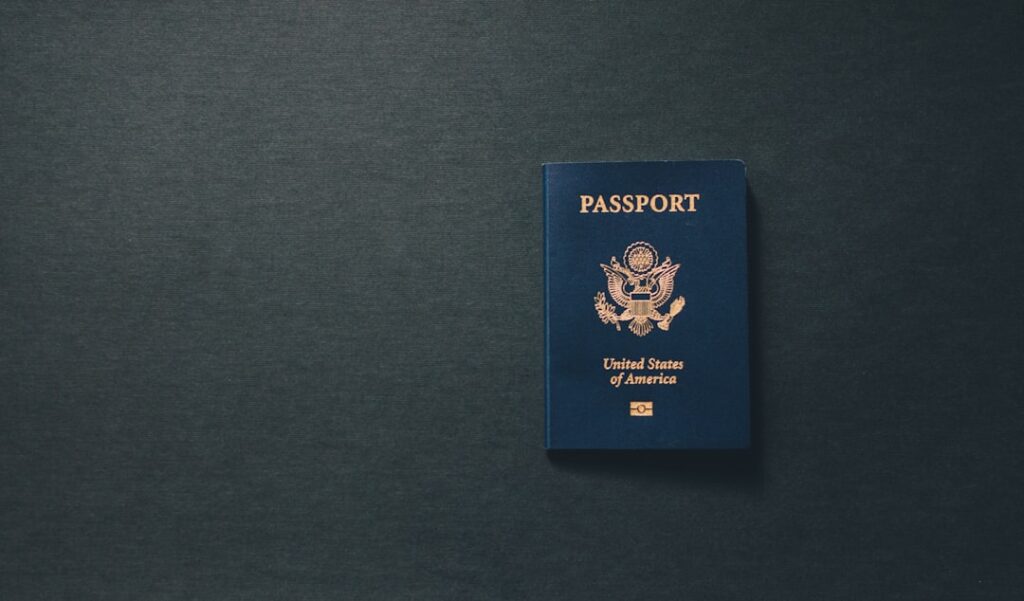
News
 News
News