No products in the cart.

Bank of England Signals Possible Interest Rate Hike | Career Outlook
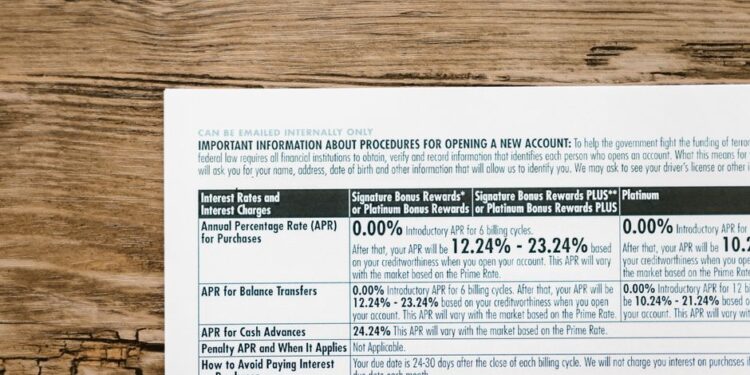
The potential for an interest rate hike is significant for various sectors, particularly for financial analysts and economic policy advisors.

London, UK — Huw Pill, the chief economist at the Bank of England, has suggested that interest rates may need to rise this year. This comes as UK inflation is at 2.8%, which is above the Bank’s target of 2%. Pill, a member of the Monetary Policy Committee (MPC), highlighted the need to adjust rates to ensure economic stability and control rising prices. A recent report from BBC News noted that Pill stated the “speed limit at which you can run the economy is a bit lower than it’s been in the past.” This suggests that the current monetary policy may not effectively manage inflation.
The possibility of an interest rate hike is significant for many sectors. Financial analysts and economic policy advisors will be particularly affected. Changes in interest rates directly impact borrowing costs, consumer spending, and overall economic growth. Therefore, understanding the implications of this potential shift is crucial for professionals in finance. The Bank of England has often used interest rate changes to control inflation, and this situation may be no different.
Impact on Consumer Spending and Borrowing Costs
If interest rates rise, the cost of loans for consumers and businesses will likely increase. This means higher mortgage rates and personal loan rates, which can reduce consumer spending. Career Ahead’s analysis indicates that analysts must prepare for a slowdown in consumer expenditures as households adjust to higher repayment obligations. The Trading Economics report shows that rising borrowing costs could significantly cut disposable income, as families focus on debt repayment over discretionary spending.
Higher borrowing costs may cause consumers to delay major purchases, like homes and vehicles. This shift can negatively affect the economy, leading to reduced demand for goods and services. Financial analysts should monitor consumer sentiment and spending patterns closely to refine their forecasts for 2026. Additionally, businesses may face higher operational costs as they rely on credit for growth and investment. Companies might need to rethink their growth strategies, which could slow hiring and investment in new projects. Economic policy advisors should consider these factors when making recommendations to support economic stability during this transition.
In light of a possible interest rate hike, analysts must also assess the impact on various sectors. Industries that depend on consumer financing, such as retail and automotive, may feel the effects more than others. Understanding these nuances is essential for creating accurate economic forecasts. As Pill noted, the Bank of England’s decisions will affect not only inflation but also the broader economic environment, making it vital for analysts to stay informed and adaptable.
Additionally, businesses may face higher operational costs as they rely on credit for growth and investment.
You may also like
 News
NewsProtect Your Bank Account from Cyber Fraud
Cyber fraud is on the rise, with many individuals unknowingly becoming part of schemes that use their bank accounts as mule accounts. Understanding the implications…
Read More →As interest rates rise, the housing market will also change. Potential homebuyers may struggle to find affordable mortgages, leading to decreased demand for housing. This could cool the housing market, which has been a key driver of economic growth recently. Higher rates usually result in lower property values, impacting both homeowners and investors. Overall, rising interest rates have wide-ranging effects on consumer behavior, business investment, and economic growth. Financial analysts and economic policy advisors must remain alert and adaptable to these changes.
Investment Strategies in a Changing Economic Landscape
The prospect of higher interest rates will force investors to rethink their strategies. Higher rates often lead to lower bond prices, making fixed-income investments less appealing. Career Ahead research shows that analysts need to consider reallocating investment portfolios to reduce potential losses in this environment. Investors may also seek to diversify their holdings, looking for opportunities in sectors less sensitive to interest rate changes.
Equities may also be affected, especially companies with high debt levels facing rising financing costs. Investors might shift their focus to sectors that can handle higher borrowing costs, such as utilities and consumer staples. Understanding these market dynamics is crucial for financial analysts aiming to optimize investment strategies. Additionally, the potential rise in interest rates could boost demand for alternative investments like real estate and commodities. As traditional asset classes come under pressure, analysts should explore new opportunities that could yield better returns in a higher-rate environment.
Along with asset allocation, analysts must also think about the timing of investments. With uncertainty around interest rate decisions, market volatility may rise. Financial analysts should create strategies that allow them to respond quickly to changing market conditions. As the Bank of England works to balance controlling inflation without hindering growth, the investment landscape will likely change. Analysts must stay proactive in their research and forecasting to adapt effectively.

Career Ahead’s analysis finds that this relationship will be key for financial professionals as they adjust their strategies based on the Bank of England’s decisions.
Understanding the link between interest rates and inflation is crucial for predicting market movements. Career Ahead’s analysis finds that this relationship will be key for financial professionals as they adjust their strategies based on the Bank of England’s decisions. The interplay between inflation and interest rates will shape investment strategies and broader economic policies in the coming years.
The potential rise in interest rates will also require adjustments in economic policy recommendations. Economic policy advisors must consider how higher rates affect overall economic growth and inflation control. This requires a careful approach to ensure policies effectively stabilize the economy. Pill’s comments underline the need to improve productivity in the UK economy, especially in regions like Wales, where productivity lags behind the national average. Advisors should focus on initiatives that boost productivity, such as investing in infrastructure and education.
You may also like
 News
NewsBloomberg This Weekend 10/4/2026
The launch comes at a time when media consumption patterns are rapidly changing. Viewers increasingly prefer on-demand content and real-time updates, prompting networks like Bloomberg…
Read More →Moreover, policymakers must be ready to tackle the challenges posed by rising costs for consumers and businesses. This may involve exploring measures to support vulnerable populations facing financial strain due to increased borrowing costs. Economic policy recommendations should prioritize sustainable growth while addressing immediate concerns related to inflation. As the Bank of England considers its options, economic policy advisors must engage in discussions about the long-term effects of interest rate changes. This includes evaluating the potential impact on employment, investment, and overall economic stability.
In summary, the economic policy landscape must adapt to the realities of rising interest rates. Financial analysts and policy advisors must work together to ensure that strategies are data-driven and responsive to changing conditions. The implications of potential interest rate hikes extend beyond immediate economic concerns. As analysts and economic policy advisors navigate these changes, they must stay vigilant about the evolving landscape and prepare for the challenges and opportunities ahead.
Frequently Asked Questions
How will rising interest rates impact my financial analysis?
Career Ahead analysis shows that rising interest rates will increase borrowing costs, leading to decreased consumer spending. Analysts must adjust their forecasts to reflect these changes in economic behavior.
Economic policy advisors should focus on boosting productivity and addressing the challenges of rising costs for consumers and businesses.
What strategies should economic policy advisors consider with potential interest rate hikes?
Economic policy advisors should focus on boosting productivity and addressing the challenges of rising costs for consumers and businesses. This includes exploring initiatives that support vulnerable populations.
What should financial analysts do about changing interest rates?
Financial analysts should reevaluate investment strategies and consider reallocating portfolios to reduce risks from rising interest rates. Staying informed about market dynamics is crucial for effective analysis.
You may also like
 News
NewsJobs Slow but Inflation Keeps Fed on Alert
In September, the economy added just 150,000 jobs, a stark contrast to the 200,000 jobs analysts had predicted. This slowdown comes amid ongoing inflationary pressures,…
Read More →