No products in the cart.

Nasdaq Soars as Chip Stocks Counter Iran Concerns

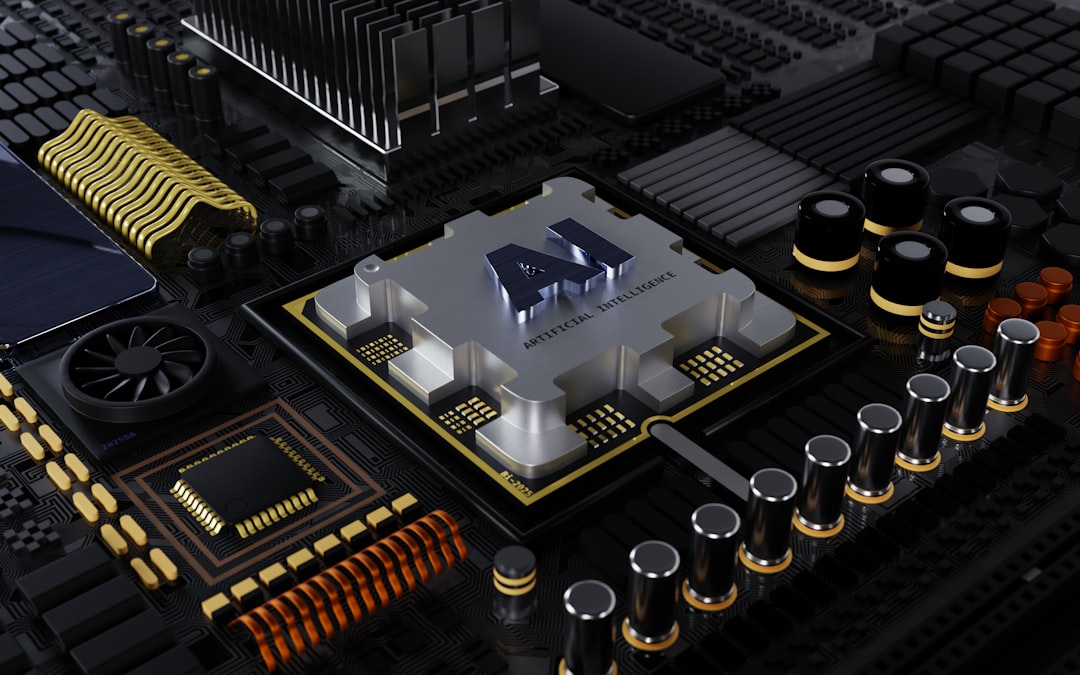
Micron Technology's $250 billion investment in U.S. chip manufacturing is set to significantly boost demand for semiconductor expertise, particularly in AI applications, amidst a rally in chip stocks and growing investor confidence in the AI market.

Micron Technology announced plans to invest over $250 billion in U.S. chip manufacturing by 2035, a move that is expected to significantly boost demand for semiconductor expertise, particularly in artificial intelligence (AI) applications. This announcement comes amid a strong rally in chip stocks, with the Nasdaq Composite gaining 328.11 points, or 1.27%, to close at 26,198.76 on July 9, 2026. The surge in Micron’s shares reflects investor confidence in the growing AI market and the need for advanced memory chips to support it.
This investment is not just a financial commitment; it signals a strategic pivot in the semiconductor industry towards meeting the insatiable demand for AI technologies. As companies increasingly rely on AI for various applications, the need for specialized chips that can handle complex computations is paramount. The sentiment in the market is that this is an AI bull market, as noted by analysts who highlight the influence of this sector on overall market performance. According to the Economic Times, the rally in chip stocks has been so pronounced that it has overshadowed geopolitical concerns, indicating a robust investor appetite for AI-related technologies.
AI Demand Drives Semiconductor Job Opportunities
Career Ahead’s analysis finds that Micron’s investment will likely lead to a surge in job openings for chip design engineers and AI researchers. As the company ramps up production to meet the growing demand for AI chips, it will require a skilled workforce capable of innovating and designing these advanced technologies. This trend is indicative of a broader shift within the tech industry, where companies are prioritizing AI capabilities to remain competitive.
The World Bank has projected that global semiconductor sales will grow substantially over the next decade, driven by advancements in AI and machine learning technologies, which will further necessitate skilled professionals in this area.
For chip design engineers, this means an increased focus on skills related to AI and machine learning. Engineers who can design chips optimized for AI workloads will be in high demand. This includes knowledge of hardware architectures that support AI algorithms, as well as experience with software tools used in the design and simulation of semiconductor devices. The integration of AI into chip design is becoming essential, making it a key area for new engineers entering the field. The World Bank has projected that global semiconductor sales will grow substantially over the next decade, driven by advancements in AI and machine learning technologies, which will further necessitate skilled professionals in this area.
You may also like
 Industry & Global Trends
$600 Billion Food Market Expands, Processing Gains Focus
India’s food market, now estimated to be worth $600 billion, is experiencing a robust growth rate of 7% compounded annually, driven by economic expansion and…
Read More →AI researchers, too, will find ample opportunities as companies like Micron expand their capabilities. The need for professionals who can develop algorithms that efficiently utilize these advanced chips will grow. This includes roles focused on optimizing machine learning models and improving data processing speeds, which are critical for AI applications ranging from natural language processing to computer vision. As highlighted by Bloomberg, the demand for AI-related positions is expected to rise sharply, creating a competitive landscape for talent in the tech sector.
Moreover, the ripple effect of this investment will extend beyond Micron. Other companies in the semiconductor supply chain, such as Applied Materials and Sandisk, are also likely to benefit from increased demand for AI chips. As these companies expand their operations, they will create additional job opportunities, further enhancing the job market for tech professionals. The interconnected nature of the semiconductor ecosystem means that a surge in demand for AI chips will likely lead to a corresponding increase in hiring across various related sectors, amplifying the overall impact on employment.
Investment Trends and Economic Implications
The semiconductor industry is witnessing a significant transformation driven by investments like Micron’s. According to data from the World Bank, global semiconductor sales are projected to grow substantially over the next decade, fueled by advancements in AI and machine learning technologies. This growth is expected to create a robust ecosystem of jobs, particularly in regions that support semiconductor manufacturing. The Economic Times notes that Micron’s commitment to invest in U.S. manufacturing aligns with a broader trend of reshoring semiconductor production, which is crucial for national security and economic stability.
As companies invest in new technologies, they are also likely to invest in workforce development to ensure they have the necessary talent to drive innovation.
You may also like
 Industry & Global Trends
First Enhanced Geothermal Power Plant Launches Fast
Fervo Energy's Cape Station power plant has begun selling electricity to the grid, designed to generate 100 megawatts of power with potential expansion to 4…
Read More →Investment analysts are closely monitoring these trends, as the semiconductor sector plays a critical role in the overall economy. The anticipated growth in this sector could lead to increased GDP contributions and a more resilient job market. As companies invest in new technologies, they are also likely to invest in workforce development to ensure they have the necessary talent to drive innovation. The Nasdaq’s recent performance, bolstered by Micron’s plans, underscores the market’s optimism regarding the semiconductor industry’s future.
Furthermore, the implications of Micron’s investment extend to policy considerations. The U.S. government has been advocating for increased domestic semiconductor production to reduce reliance on foreign suppliers. This aligns with Micron’s strategy and could lead to favorable policies that support the growth of the semiconductor industry, including tax incentives and funding for research and development. As the demand for AI applications continues to rise, the semiconductor industry is poised for unprecedented growth. This trend not only highlights the importance of chip design and AI research but also emphasizes the need for educational institutions to adapt their curricula to prepare the next generation of engineers and researchers.
As the semiconductor industry evolves, the focus on AI will likely shape the future landscape of technology careers. The integration of AI into various sectors is expected to create new job roles that did not exist before, further expanding the scope of opportunities available to tech professionals. The question remains: how will this evolution impact the job market in the coming years? As demand for AI technologies continues to rise, professionals in the tech sector must be prepared for the changes that lie ahead.
Frequently Asked Questions
What skills are needed for chip design roles in AI?
Chip design roles in AI often require expertise in hardware architecture, knowledge of AI algorithms, and proficiency in design software. Engineers should also be familiar with machine learning principles to optimize chip performance for AI tasks.
Understanding how investments like Micron’s influence market dynamics and job creation will be crucial for forecasting future growth in the sector.
How can AI researchers leverage the chip market surge?
AI researchers can take advantage of the growing chip market by focusing on developing algorithms that maximize the efficiency of new AI chips. This includes optimizing models for speed and accuracy, which are critical for competitive AI applications.

What should investment analysts consider about the semiconductor sector’s growth?
You may also like
 Industry & Global Trends
Stripe Expands Hiring Amid AI Job Losses
Stripe's expansion in Dublin, with plans to hire 496 roles, highlights a growing demand for software engineers and data analysts amid rising AI job losses.…
Read More →Investment analysts should monitor trends in semiconductor demand, particularly in AI applications. Understanding how investments like Micron’s influence market dynamics and job creation will be crucial for forecasting future growth in the sector.