
Many individuals face challenges with credit scores below 650. This low score can hinder access to loans and lead to higher interest rates. As of May 2026, the urgency to improve these scores has increased due to rising living costs and economic shifts. Understanding how to enhance your credit score is crucial for financial stability.
Maintaining a credit score below 650 complicates the loan approval process. Borrowers may face rejection or exorbitant interest rates. However, improving this score is achievable with consistent financial habits and responsible credit management.
Understanding Credit Scores
A credit score is a numerical representation of a person’s creditworthiness, reflecting how well an individual manages debt, including credit cards and loans. Scores typically range from 300 to 900, with higher scores indicating better credit management. Scores below 650 are considered poor, leading to challenges in securing loans.
The factors influencing a credit score include payment history, credit utilization, length of credit history, and types of credit. Timely payments and low credit utilization are essential for maintaining a good score. Regularly monitoring your credit report can also help identify areas for improvement.
Many individuals with low credit scores often overlook the impact of their financial habits. Simple changes, such as paying bills on time and reducing credit card balances, can lead to significant improvements over time. Understanding these factors is the first step toward enhancing credit scores.
Timely payments and low credit utilization are essential for maintaining a good score.
Key Strategies for Improvement
Improving a credit score below 650 involves several key strategies:
- Timely Payments: Ensure that existing debts are paid on time. This demonstrates reliability to lenders and can positively impact your score. Setting reminders for due dates or automating payments can help.
- Manage Credit Utilization: Keep your credit utilization ratio below 30% of your total credit limit. For example, if your total credit limit is $10,000, aim to use no more than $3,000.
- Avoid Multiple Applications: Limit loan applications in a short period to prevent hard inquiries on your credit report, which can temporarily lower your score.
Addressing High-Interest Debts
High-interest debts can significantly impact your financial health. Prioritize the repayment of these debts, focusing on those with the highest interest rates first. Clearing outstanding dues and overdue bills can enhance your creditworthiness, as lenders prefer borrowers who demonstrate responsible debt management.
Maintaining old credit accounts can also positively contribute to your credit history. A longer credit history can enhance your score, as it provides lenders with a comprehensive view of your borrowing behavior.
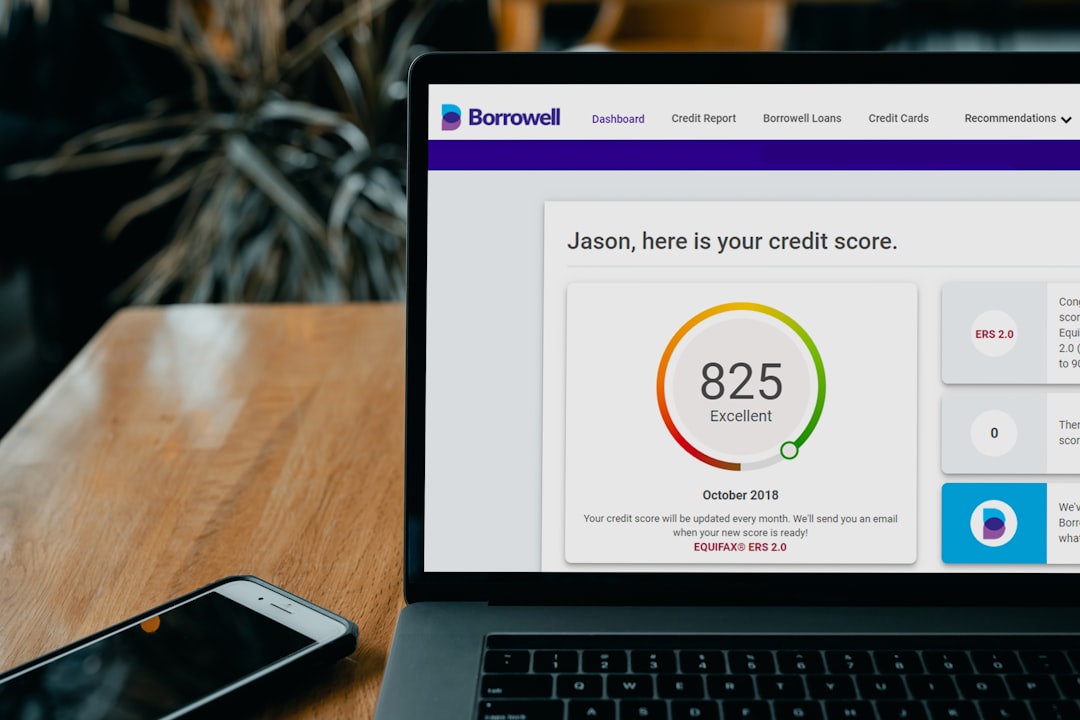
Regular Monitoring of Credit Reports
Regularly checking your credit report is essential for anyone looking to improve their score. Monitoring allows you to identify errors or discrepancies that could negatively impact your creditworthiness. If you find inaccuracies, promptly reporting them to the credit bureau is crucial.
Understanding your credit report’s components can help you make informed decisions about improving your score. Familiarizing yourself with the factors that influence your score enables you to focus on areas needing improvement.
 Entrepreneurship & Business
AI Shopping Agents Force Brands to Innovate Sales Strategies
AI shopping agents are revolutionizing retail marketing. Brands must adapt their strategies to engage with these digital consumers effectively. This shift not only changes how…
Read More →Regular Monitoring of Credit Reports Regularly checking your credit report is essential for anyone looking to improve their score.

The Broader Economic Impact
Credit scores play a significant role in the broader economy, influencing individual borrowing and the lending practices of financial institutions. As borrowers improve their credit scores, they may gain access to better loan terms and lower interest rates, stimulating consumer spending.
As more individuals work to enhance their credit scores, the overall financial health of the population improves, leading to increased economic stability and growth. Financial institutions may also see reduced default rates as borrowers become more responsible.
Struggling with a credit score below 650 can feel daunting, but it is not insurmountable. By implementing these strategies, individuals can improve their credit scores and enhance their chances of loan approval. This journey toward better credit health is essential for achieving financial goals.
Written by Career Ahead AI. AI can make mistakes, so verify key facts. Report errors to support@careeraheadonline.com.