No products in the cart.

China's factory output growth quickens
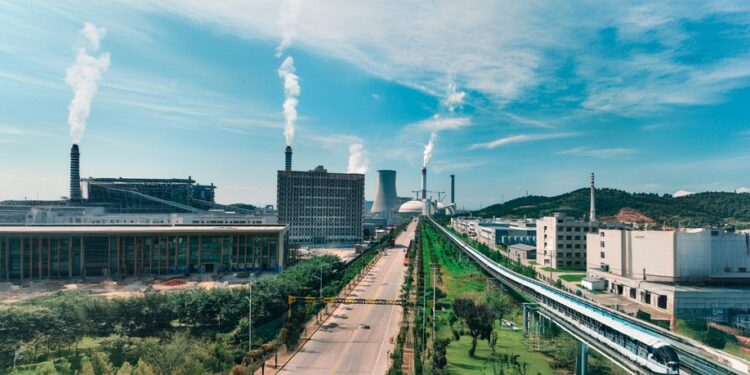
The increase in industrial output is a positive sign for manufacturing engineers in China. It suggests that factories are ramping up production, which could lead to new job opportunities in the sector. However, the concurrent slowdown in retail sales raises concerns about the sustainability of this growth and…

China’s industrial output grew by 5.2% in August 2026. This is an increase from 4.5% in July, according to the National Bureau of Statistics. The growth surpassed analysts’ expectations of 4.8%, showing a rise in manufacturing activity. However, retail sales only increased by 0.4%, which is slower than the expected 0.8%. This highlights possible challenges in consumer demand.
The rise in industrial output is good news for manufacturing engineers in China. It suggests that factories are increasing production, which could create new job opportunities. However, the slowdown in retail sales raises concerns about how sustainable this growth is and what it means for the economy.
Impact of Industrial Output Growth on Manufacturing Jobs
The 5.2% growth in industrial output may have a positive effect on the manufacturing sector. As factories ramp up production, the need for skilled labor will increase. Career Ahead’s analysis shows that manufacturing engineers will be essential in this growth, especially in automotive, electronics, and machinery sectors. A report from the Economic Times states that this output growth not only reflects increased production but also hints at a possible recovery in manufacturing, which has faced many economic challenges.
With the manufacturing sector improving, companies may hire more engineers to handle increased workloads and new technologies. This trend aligns with a World Bank study, which indicates that a strong manufacturing sector usually leads to job growth in related fields. The Economic Times also notes that growth in industrial output is crucial for maintaining employment levels as the economy recovers.
However, the labor market is competitive. Engineers with specialized skills in automation and digital manufacturing technologies will be in higher demand. Career Ahead research shows that engineers skilled in these areas will have better job security and advancement opportunities as companies modernize their operations. The use of advanced technologies in manufacturing is improving productivity and changing the skills needed in the industry.
Moreover, the growth in industrial output may lead to more investment in training programs for engineers. Companies might work with educational institutions to create training programs that equip engineers with the latest skills needed in a fast-changing manufacturing landscape. This proactive approach to workforce development is vital for staying competitive in the global market.
Companies might work with educational institutions to create training programs that equip engineers with the latest skills needed in a fast-changing manufacturing landscape.
You may also like
 Industry & Global Trends
AI Talent Race Between US and China Is the Next Battleground
The competition for AI talent between the US and China is growing, with significant implications for job opportunities and recruitment strategies in the field. The…
Read More →Despite these positive signs, manufacturing engineers should stay alert. The slowdown in retail sales might indicate underlying economic issues that could affect job stability in the long run. Engineers need to keep up with market trends and be ready to adapt to changes in consumer demand. Analysts emphasize that the relationship between industrial output and retail sales is crucial for understanding the broader economic picture.
Retail Sales Slowdown and Its Implications for Consumer Goods Sectors
The retail sales growth of only 0.4% in August, down from 0.6% in July, raises concerns about consumer confidence and spending. Analysts warn that this slowdown could impact demand for consumer goods, which would affect manufacturing output. Career Ahead’s analysis finds that if consumer spending continues to fall, manufacturers may struggle to maintain production levels. Reports from Yahoo Finance suggest that slower consumption could worsen existing economic imbalances, especially in sectors that rely heavily on consumer spending.
This trend is particularly worrying for sectors dependent on consumer goods, like electronics and apparel. A decrease in demand may lead to excess inventory, forcing manufacturers to cut back on production. This could result in layoffs or hiring freezes, directly affecting job opportunities for manufacturing engineers. The Economic Times also points out that the retail slowdown is a key challenge for manufacturers to avoid overproduction and job losses.
Furthermore, the retail slowdown may push manufacturers to diversify their product lines or explore new markets. Companies might focus on developing innovative products that meet changing consumer preferences. This shift could create new roles for engineers in product development and market research. However, it also requires engineers to be adaptable and forward-thinking. As market dynamics change, engineers will need to use their expertise to drive innovation and respond to consumer trends effectively.

As various sources note, the ability to adapt to changing market conditions will be essential for sustaining growth and job creation in manufacturing.
Economic analysts are closely watching these developments. They stress the importance of manufacturers being agile and responsive to market changes. Understanding consumer behavior will be vital for companies aiming to navigate potential downturns. As various sources note, the ability to adapt to changing market conditions will be essential for sustaining growth and job creation in manufacturing.
As the retail landscape changes, manufacturing engineers must be ready to take on cross-functional roles that combine engineering and market analysis. This adaptability will be crucial for succeeding in an uncertain economic environment. The ongoing shifts in consumer demand and spending habits are likely to significantly influence the future of the manufacturing job market.
You may also like
 Industry & Global Trends
Hormuz Crude Oil Exports Near Pre-War Levels
The return to pre-war export levels is crucial as it indicates a stabilization in the oil market. Producers and shipping industries have adapted by employing…
Read More →Another important aspect of China’s economy is the trend in fixed-asset investment, which fell by 7.2% in the first eight months of 2026. This decline matches forecasts and raises concerns about future infrastructure projects. Career Ahead’s analysis suggests that reduced fixed-asset investment could slow long-term economic growth and job creation in manufacturing. Infrastructure projects often drive demand for manufactured goods. When investment slows, it can lead to fewer orders for construction materials and machinery. This downturn could affect manufacturing engineers in these sectors, as companies may need to adjust their workforce.
On the bright side, the government may respond to these challenges with stimulus measures to boost investment. Such initiatives could create new opportunities for engineers in infrastructure development and related fields. Career Ahead has identified that engineers who can use emerging technologies in infrastructure projects will be well-positioned to benefit from any potential recovery. As the government addresses these economic challenges, manufacturing engineers should monitor policy changes that could impact investment levels. Staying informed will be key to anticipating shifts in job opportunities and industry demands.
The relationship between industrial output, retail sales, and fixed-asset investment will shape the future of manufacturing in China. Engineers must be ready to adapt to these changes to stay competitive in the job market. As China faces these economic dynamics, the question remains: How will the manufacturing sector respond to the dual challenges of rising output and slowing consumer demand? The answers will likely define the job market for engineers in the coming years.
Career Ahead’s analysis shows that a 5.2% growth in industrial output indicates a higher demand for skilled manufacturing engineers.
Frequently Asked Questions
What does a 5.2% growth in industrial output mean for manufacturing engineers?
Career Ahead’s analysis shows that a 5.2% growth in industrial output indicates a higher demand for skilled manufacturing engineers. This growth could lead to new job opportunities and require engineers to adapt to evolving technologies in the sector.
How should economic analysts interpret the slowdown in retail sales?
The slowdown in retail sales suggests potential challenges for consumer demand, which could impact manufacturing output. Economic analysts should monitor these trends closely, as they may indicate a broader economic slowdown that could affect job opportunities in manufacturing.

What strategies should manufacturing engineers adopt in response to changing investment trends?
Manufacturing engineers should focus on developing skills in automation and digital technologies to remain competitive. They should also stay informed about government policies and investment trends that could influence job opportunities in the sector.
You may also like
 Industry & Global Trends
Man Charged
A US national has been charged with illegally exporting Nvidia chips to China, raising significant compliance and legal concerns in the semiconductor industry.
Read More →