No products in the cart.

G-7 Energy Ministers Meet to Stabilize Oil Market Amid Volatility

G-7 energy ministers convene in Paris to address rising oil prices and stabilize the market, impacting global economies and trade.

“`html
The Urgency of Stabilizing Oil Markets
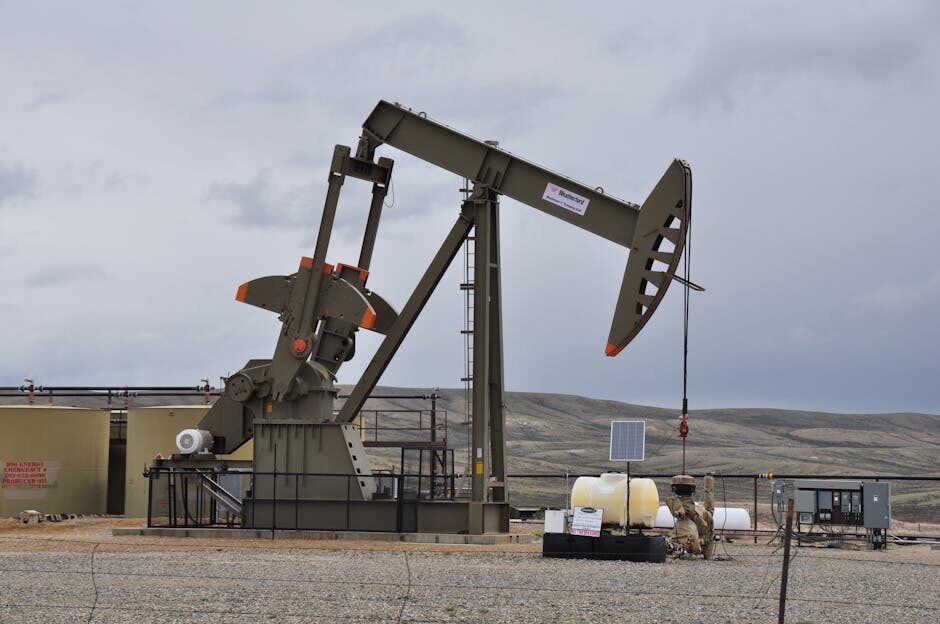
This week, G‑7 energy ministers met in Paris to address a volatile oil market that threatens the fragile global economic recovery. oil prices have risen to $65 a barrel, a 10% increase from last year, impacting factories, grocery prices, and trading floors.
A 1% change in oil prices can shift global GDP by 0.2%. When oil prices fluctuate, the costs of transporting goods, powering plants, and heating homes also change. Analysts estimate that oil-price volatility now accounts for about 20% of total trade costs, affecting sectors from shipping to semiconductor manufacturing.
The market faces three main challenges. First, supply-chain disruptions from geopolitical tensions, climate issues, and lingering pandemic effects have revealed weaknesses in critical infrastructure. Second, demand for oil, which currently fuels about 30% of global energy consumption, is shifting as renewables gain ground, creating uncertainty. Third, an economic slowdown could lead to a $1 trillion loss in global output this year if oil prices remain unstable.
For the G‑7, the stakes are both fiscal and political. Energy security has become essential for national resilience, and this meeting marks the first coordinated effort in years to align policies among the world’s richest economies.
Supply‑Chain Resilience A key agenda item is establishing a joint framework for supply-chain risk management.
G‑7 Strategies: What’s on the Table?
Supply‑Chain Resilience
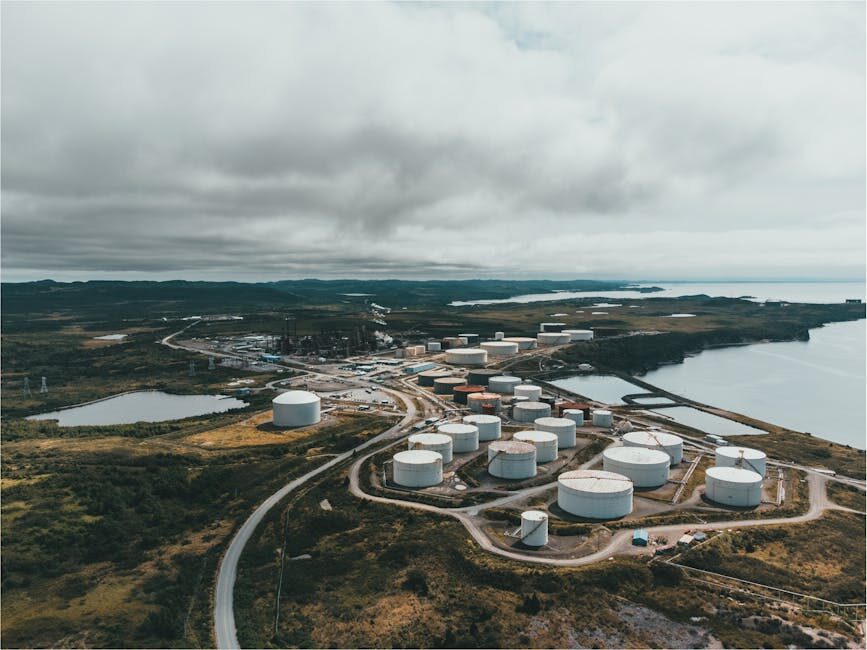
A key agenda item is establishing a joint framework for supply-chain risk management. The ministers plan to identify vulnerabilities in critical infrastructure, from offshore rigs to pipelines, and develop contingency plans for when disruptions occur. By sharing real-time data on refinery outages and shipping bottlenecks, the G‑7 aims to create an early-warning system to mitigate sudden supply cuts.
Price‑Volatility Management
The group is also exploring ways to reduce price swings. Proposed measures include coordinated releases from strategic reserves, standardized futures-market disclosures, and a multilateral price-risk-sharing facility. These tools would enable member states to pool resources, buying excess inventory when prices drop and releasing stockpiles during spikes.
Energy Security Through Diversification
You may also like
 Entrepreneurship & Business
Marico Boosts Plix Stake to 84.09%; Q2 Revenue Surge Ahead
Marico has increased its stake in Satiya Nutraceuticals to 84.09%, a strategic move expected to enhance revenue growth amid rising consumer demand for health-focused products.…
Read More →Diversification is another key element of the G‑7 plan. While oil will remain a major energy source, ministers emphasized the need to invest in renewable energy, storage technologies, and advanced nuclear power. This approach aims to reduce oil’s share in the energy mix and protect economies from future supply shocks. The G‑7 will also advocate for stricter energy-efficiency standards in heavy industry, transport, and buildings to lower oil demand without hindering growth.
Implications for Global Economies and Markets
Macro‑Economic Shockwaves
If the G‑7’s actions succeed, they could reduce the 10% impact of oil-price volatility on global GDP. A more stable pricing environment would boost consumer confidence, encourage investment, and ease inflationary pressures. Conversely, failing to manage volatility could worsen the 5% drag that economic uncertainty currently imposes on global trade.
Market Reactions
Equity markets are already reacting to the uncertainty. Oil-related stocks show a volatility premium, contributing about 20% to overall market fluctuations. Currency markets are also affected; countries reliant on oil imports have seen their currencies weaken with price spikes, while oil-exporting nations experience temporary gains.
Opportunities and Challenges
The G‑7’s initiative presents opportunities for firms that can adapt. Companies specializing in supply-chain analytics, strategic reserve logistics, and renewable energy financing may benefit from new contracts and incentives. However, aligning the regulatory frameworks of seven nations and ensuring that short-term interventions do not create negative incentives remains a significant challenge.
This approach aims to reduce oil’s share in the energy mix and protect economies from future supply shocks.
The Long‑Term View
Stabilizing oil markets is a step toward broader energy transformation. The Paris meeting shows that the G‑7 is ready to manage oil as a variable through collective action. If the ministers can translate discussions into coordinated policies—like shared reserves and transparent data platforms—their success will have lasting effects beyond oil prices.
You may also like
 Entrepreneurship & Business
College Students Shape the Future of A.I. Investment
College students are increasingly influencing the A.I. investment landscape, with initiatives like Dorm Room Fund raising substantial capital. This shift highlights the growing importance of…
Read More →Ultimately, the G‑7’s efforts will test multilateralism in a world with fragmented supply chains and rising climate concerns. The outcome will determine whether they create a model for other coalitions or if the oil market will continue to dictate global growth. This decision will influence not just fuel prices but the structure of the 21st-century economy.
“`