No products in the cart.

In the AI era, why flaw is not a failure
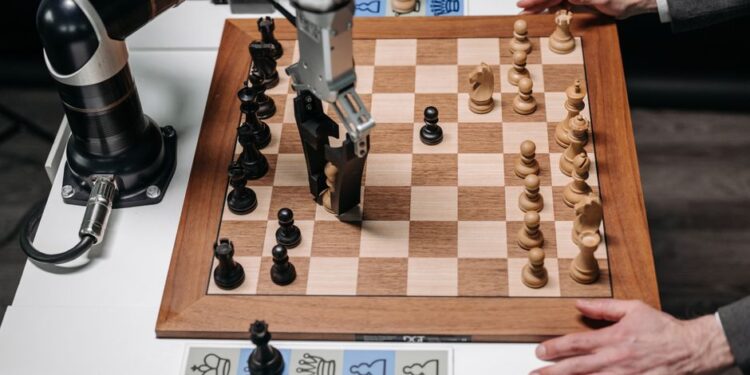
Chess, once seen as the ultimate test of human intellect, now faces challenges from machines that can calculate millions of positions per second.

In the AI era, the landscape of chess is undergoing a profound transformation. The rise of AI tools, such as Stockfish, has dramatically changed how players and coaches approach the game. This shift highlights a critical question: how can chess players leverage AI to enhance their game while maintaining the essential human elements that make chess a rich and engaging experience?
Chess, once seen as the ultimate test of human intellect, now faces challenges from machines that can calculate millions of positions per second. This evolution not only impacts competitive players but also reshapes the role of chess coaches. The focus is shifting from pure strategy to understanding the nuances of human performance, creativity, and emotional intelligence.
The Rise of AI in Chess Training
The integration of AI tools in chess training has become increasingly common. Coaches now utilize sophisticated software to analyze games, identify weaknesses, and simulate opponents. This data-driven approach allows players to refine their skills and strategies more effectively than ever before. However, it also raises concerns about losing the human touch in coaching.
Career Ahead’s analysis finds that while AI can provide invaluable insights, the role of the coach remains vital in fostering a player’s unique style and emotional resilience. Coaches must balance the analytical strengths of AI with the human elements that contribute to a player’s overall performance. This includes helping players navigate the psychological pressures of competition and encouraging creative thinking. As noted in a piece from the Economic Times, the allure of chess lies not just in the perfect moves but in the vulnerability and improvisation of human players, which AI cannot replicate.
Moreover, the emotional intelligence of coaches plays a crucial role in developing a player’s mindset. AI lacks the ability to understand human emotions and the psychological aspects of the game. Coaches who can connect with their players on a personal level can help them cope with the stress and uncertainty that often accompany high-stakes matches. This emotional connection is essential, as it fosters an environment where players feel supported and understood, allowing them to express their creativity and individuality on the board.
Career Ahead’s analysis finds that while AI can provide invaluable insights, the role of the coach remains vital in fostering a player’s unique style and emotional resilience.
You may also like
 Industry & Global Trends
U.S. Hiring Slows Amid Labor Market Shift
This slowdown comes at a critical moment as inflation continues to exert pressure on wages and hiring practices.
Read More →As AI continues to evolve, the challenge for chess coaches will be to embrace these tools while ensuring they do not overshadow the human elements of the game. This balance is essential for nurturing well-rounded players who can adapt to the complexities of modern chess. The future of coaching may very well depend on the ability to integrate AI insights while preserving the rich tapestry of human experience that defines chess.
Human Drama vs. Machine Precision
The allure of chess has always been rooted in the drama of human competition. Spectators are drawn to the emotional highs and lows of a match, where a single mistake can lead to a dramatic turnaround. In contrast, AI’s precision and ability to calculate the best move can sometimes strip away the excitement that comes from human error and improvisation.
Viewers are increasingly interested in the narratives that unfold during matches. The tension between players, their reactions to mistakes, and the strategies they employ create a compelling spectacle. Career Ahead research indicates that audiences are more engaged when they witness human vulnerability and creativity, rather than the sterile perfection of machines playing against each other. As highlighted by the Economic Times, the essence of chess is not just about executing flawless strategies but also about the human drama that unfolds when players face challenges and make mistakes.
This shift in audience engagement highlights the importance of preserving the human aspect of chess. As AI tools become more prevalent, players and coaches must find ways to emphasize the unique qualities that make human chess compelling. This includes showcasing the emotional journey of players, their decision-making processes, and their ability to recover from setbacks. The narratives of resilience and creativity resonate deeply with audiences, creating a richer viewing experience that AI-generated matches simply cannot provide.
The future of chess will hinge on how well players and coaches can navigate the challenges posed by AI, blending machine precision with human creativity to define the next generation of chess champions.

Furthermore, game designers can capitalize on this trend by creating experiences that highlight human drama. By focusing on the stories behind the players and their matches, designers can attract a broader audience and foster a deeper appreciation for the game. This approach not only benefits spectators but also enriches the players’ experience, reminding them of the emotional stakes involved in each match. As the Economic Times suggests, the quest for imperfection may become a defining truth of the AI age, emphasizing that the human touch is what truly captivates audiences.
You may also like
 Industry & Global Trends
Divergent Targets Faster, Cheaper Defense Production
Divergent Technologies is set to revolutionize defense manufacturing through advanced technologies like 3D printing, aiming to enhance efficiency and reduce costs.
Read More →As the chess community navigates this new landscape, it will be essential to strike a balance between the analytical capabilities of AI and the emotional richness of human competition. Finding this equilibrium will be key to ensuring that chess remains a vibrant and engaging sport. The future of chess will hinge on how well players and coaches can navigate the challenges posed by AI, blending machine precision with human creativity to define the next generation of chess champions.
As AI continues to shape the landscape of chess, one must wonder: will the essence of human creativity and emotional intelligence prevail in an era dominated by machine capabilities?
Frequently Asked Questions
How can chess coaches incorporate AI tools in their training?
Chess coaches can integrate AI tools by using software for game analysis, identifying weaknesses, and simulating opponents. However, it’s crucial to maintain a balance between AI insights and the human elements that foster creativity and emotional resilience.
However, it’s crucial to maintain a balance between AI insights and the human elements that foster creativity and emotional resilience.
What strategies should competitive chess players adopt in the AI era?
Competitive players should leverage AI for analysis while focusing on developing their unique playing styles. Emphasizing emotional intelligence and creative thinking will be essential in navigating the complexities of modern chess.

How can game designers create engaging chess experiences that highlight human drama?
Game designers can create engaging chess experiences by focusing on the narratives behind players’ matches, showcasing emotional journeys, and emphasizing the unique qualities of human competition. This approach can attract a broader audience and enrich players’ experiences.
You may also like
 Industry & Global Trends
AI Talent Race Between US and China Is the Next Battleground
The competition for AI talent between the US and China is growing, with significant implications for job opportunities and recruitment strategies in the field. The…
Read More →