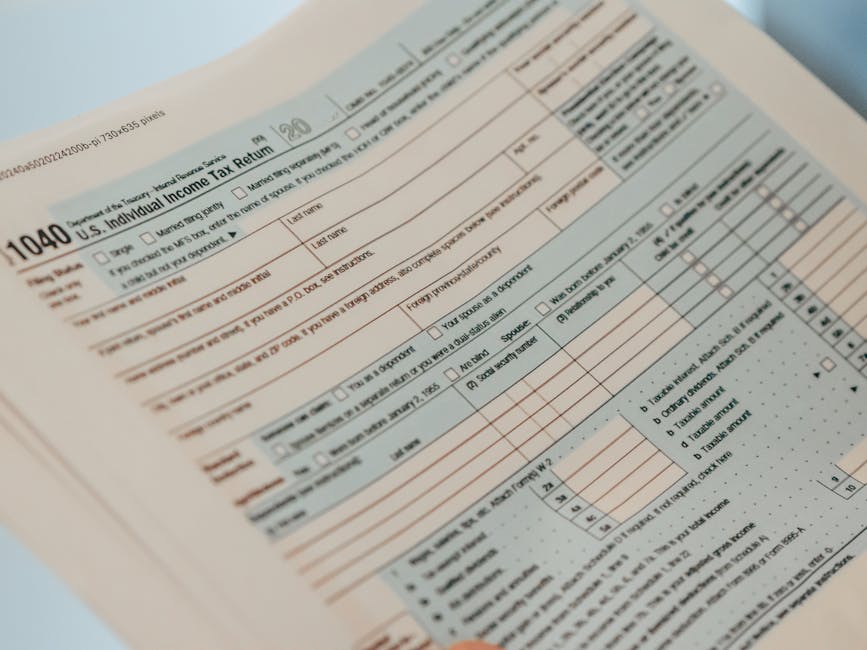
New Delhi, India — Income tax refunds are currently facing significant delays, affecting numerous taxpayers across the country. The Income Tax Department has recently notified many individuals that their refunds are being held due to discrepancies identified in their Income Tax Return (ITR) filings. This situation raises concerns, especially with the deadline for corrections looming on December 31, 2025. Understanding the implications and the timeline for resolution is crucial for taxpayers.
The Income Tax Department has sent out bulk notifications via email and SMS, informing taxpayers that their refunds are placed on hold as part of a risk management process. Many individuals are now seeking clarity on how long they might have to wait for their refunds and what steps they need to take before the approaching deadline. Tax experts have noted that these alerts have primarily targeted those who opted for the old tax regime, likely due to the complexity of deductions available under this system.
According to Suraj Singh, the Founder of SD Singh and Associates, the delays could range from a few weeks to a couple of months. However, he emphasizes that the timeline should not exceed this period, as the returns have already undergone initial verification through the department’s AI systems. If discrepancies are found during this process, a formal demand for clarification may follow, which can further delay the release of refunds.
Why Are Income Tax Refunds Delayed?
The core reason for the delays stems from discrepancies detected in the ITR filings. Common issues include mismatches between reported income and Form 26AS, non-reporting of capital gains, inflated deductions, and failure to respond to compliance queries. Taxpayers are encouraged to review their submissions to ensure that all data matches the records maintained by the tax department.
Taxpayers from both the new and old tax regimes have received these notifications, but the majority of the alerts seem to affect those under the old regime. This is primarily because the old regime allows for various deductions, making it easier for discrepancies to arise. For instance, inflated claims for housing rent allowances or donations can trigger alerts due to the stringent checks now in place.
This situation highlights the importance of accurate reporting and the need for taxpayers to be vigilant in their filings.
As the December 31 deadline approaches, taxpayers are urged to act quickly to rectify any discrepancies. Failure to do so could result in having to file an ITR-U, which comes with additional penalties and the potential loss of legitimate refund claims. This situation highlights the importance of accurate reporting and the need for taxpayers to be vigilant in their filings.
 News
NewsILO Study Finds Women Face High AI Exposure Risk
An ILO study found nearly one in ten women in high-income countries works in an occupation at the highest risk of AI exposure. The study…
Read More →Tax experts advise that if you receive a notification about your refund being stuck, there is no need to panic. Instead, take the opportunity to review your filings carefully. Ensure that your income and deductions are accurately reported and that they align with the information provided in Form 26AS, AIS, and TIS. If errors are identified, correcting them before the deadline could prevent further complications.
For many, the concern lies not just in the delay of refunds but also in the fear of potential scrutiny from the tax department. If discrepancies are significant or appear deliberate, it could lead to further investigation. However, for genuine taxpayers, the process is designed to improve compliance rather than impose penalties.
How Long Can Refunds Be Delayed?
While the exact duration of the delay can vary, Singh notes that refunds flagged under risk management checks could take weeks or even months to resolve. The department’s verification processes are thorough, and while they aim to expedite refunds, the complexity of individual cases can lead to unpredictable timelines.
Taxpayers should be prepared for the possibility of additional communication from the tax department. If your return is flagged, you may receive a notice requiring further documentation or clarification. This step is essential for ensuring that your refund can be processed efficiently once any discrepancies are resolved.
While the exact duration of the delay can vary, Singh notes that refunds flagged under risk management checks could take weeks or even months to resolve.

It is also important to note that the tax department is increasingly using technology to enhance compliance and streamline processes. This means that discrepancies are more likely to be caught early, but it also means that taxpayers must be more diligent in their reporting. As data from various sources is integrated, the chances of mismatches increase, making accurate reporting paramount.
 News
NewsIIM Calcutta Records 100% Summer Placements, Record Stipend
Consulting led recruiting with 220 offers; the placement season ended ahead of schedule during Cluster 3.
Read More →Here are some common reasons why refunds may be delayed:
- Mismatches: Discrepancies between reported income and Form 26AS/AIS/TIS.
- Non-reporting: Failure to report capital gains or foreign income/assets.
- Questionable deductions: Inflated claims for HRA, insurance, or donations.
- Non-responsiveness: Not replying to compliance portal queries.
- Unreported property sales: Not declaring capital gains from property transactions.
Steps to Take Before the Deadline
With the December 31 deadline fast approaching, here are several actionable steps taxpayers can take to ensure their refunds are processed smoothly:
- Review Your Filing: Cross-check your ITR against Form 26AS/AIS/TIS to ensure all income and deductions are accurately reported.
- Respond Promptly: If you receive any notifications or requests for additional information, respond as quickly as possible to avoid further delays.
- Seek Professional Help: If you’re unsure about your filings or need assistance with corrections, consider consulting a tax professional.
- Stay Informed: Keep an eye on any updates from the Income Tax Department regarding your refund status and any changes to procedures.
However, experts warn that this trend may not be sustainable. A recent study suggests that while the risk management process aims to enhance compliance, it could inadvertently create barriers for genuine taxpayers who may struggle with complex filings. Therefore, balancing compliance with taxpayer support is essential to avoid unnecessary delays.
Seek Professional Help: If you’re unsure about your filings or need assistance with corrections, consider consulting a tax professional.
The Future of Tax Refund Processing in India
As technology continues to evolve, the future of tax refund processing in India is likely to become more streamlined. The integration of AI and data analytics will enhance the ability of the tax department to identify discrepancies quickly. This means that while refunds may be delayed now due to risk management checks, the long-term goal is to create a more efficient system that benefits both taxpayers and the government.
Taxpayers can expect that as compliance measures tighten, the importance of accurate reporting will only grow. This situation serves as a reminder of the critical role that thorough record-keeping and transparency play in tax filings. As we move forward, how will you ensure that your tax submissions remain compliant and error-free?
 News
NewsGermany Leads Survey of Study Destinations for Indian Students
Germany’s international enrolment, work limits and graduate stay options sit alongside different living costs in Berlin and Munich.
Read More →Written by Career Ahead AI. AI can make mistakes, so verify key facts. Report errors to support@careeraheadonline.com.