No products in the cart.

International Students Leave US Colleges

International student enrollment in US colleges has dropped by 20% this spring, primarily due to stricter visa policies. This decline poses significant challenges for universities reliant on international tuition.


Washington, US — International student enrollment in U.S. colleges has fallen by 20% this spring, driven by stricter visa policies and enforcement actions. A study by education groups revealed that 62% of surveyed institutions reported a decline in international student intake, raising alarms about the long-term financial health of these universities.
This decline is not merely a statistic; it represents a potential crisis for many institutions that rely heavily on the full tuition fees paid by international students, who have historically contributed significantly to university revenues.
Impact of Stricter Visa Policies
Recent changes in U.S. immigration policy have made it increasingly difficult for international students to obtain visas. According to the study, 84% of U.S. colleges cited restrictive government policies as the primary reason for the drop in enrollment. These policies include increased scrutiny during visa applications and enforcement actions that have left many prospective students hesitant to apply.
Moreover, the overall number of student visa issuances fell sharply by 36% last summer. This decline has been exacerbated by a series of immigration enforcement actions, creating a climate of uncertainty for international students. Many applicants are now wary of the risks involved in pursuing education in the U.S., leading to a significant decrease in applications.
Financial Ramifications for Universities
The financial consequences of this decline are profound. International students often pay full tuition, which is crucial for many universities, especially as domestic enrollment numbers stagnate due to demographic shifts. Reports indicate that the decline in international student enrollment could cost U.S. colleges up to $1 billion, potentially resulting in budget cuts and reduced services for all students.
International students often pay full tuition, which is crucial for many universities, especially as domestic enrollment numbers stagnate due to demographic shifts.
With 62% of schools reporting lower international enrollment, many institutions are bracing for a challenging financial future. The potential loss of revenue could lead to a reevaluation of academic programs and faculty positions, as universities may need to rely more heavily on domestic students, who typically pay lower tuition rates.
Comparative Trends in Global Education
You may also like
 Government & Policy
New Jersey Sues Amazon Over Delivery Driver Pay Suppression
New Jersey's lawsuit against Amazon could reshape how delivery drivers are compensated. This case highlights broader issues of wage suppression in the gig economy, potentially…
Read More →While U.S. colleges struggle with declining international enrollment, other countries are experiencing the opposite trend. Universities in Canada, Australia, and the United Kingdom are reporting increases in foreign student numbers. This shift suggests that international students are exploring alternative destinations for higher education, where they may encounter fewer barriers.
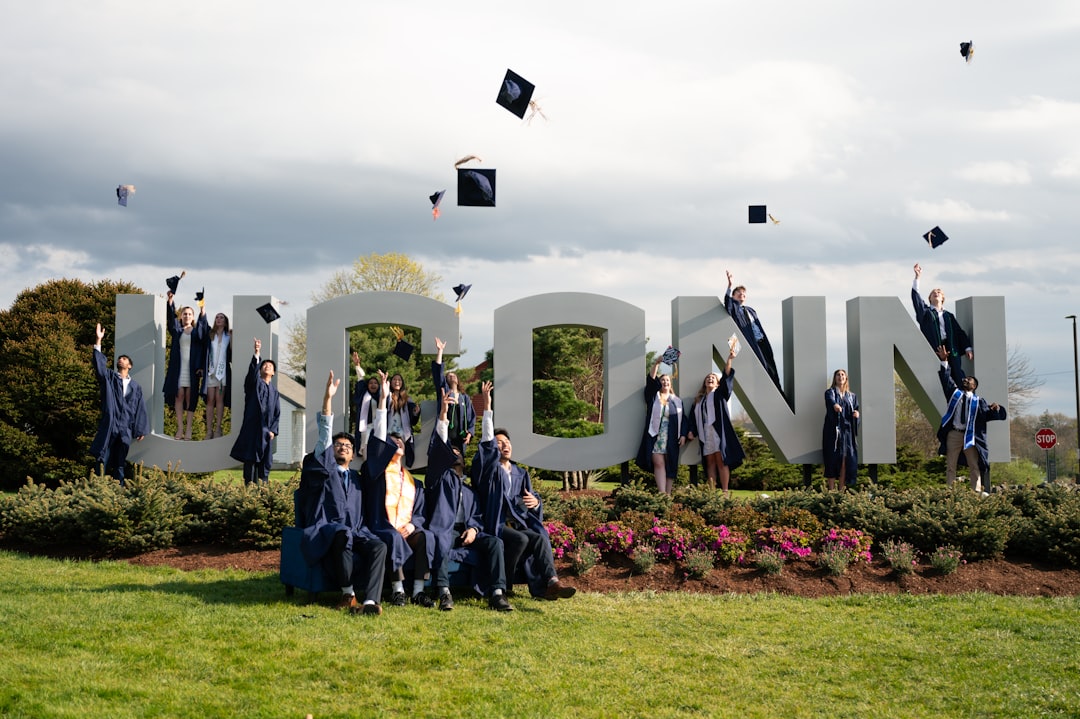
Countries like Canada have implemented policies that are more welcoming to international students, offering streamlined pathways to permanent residency and better support systems. As a result, the appeal of studying in the U.S. may diminish if these trends continue.
Student Sentiment and Application Trends
The sentiment among international students significantly influences enrollment trends. Many prospective students are concerned about the implications of stricter visa policies and the potential for enforcement actions. The fear of being detained or having their legal status revoked has deterred many from applying to U.S. institutions.
Even though some enforcement actions were later reversed, the damage to student sentiment has already been done. Many students are now looking to other countries where they feel more secure and welcomed, which could lead to a significant decrease in applications from international students in the coming years.
Countries like Canada have implemented policies that are more welcoming to international students, offering streamlined pathways to permanent residency and better support systems.

Broader Economic Implications
The decline in international student enrollment is a pressing issue that affects not only universities but also the broader economy. International students contribute significantly to local economies through tuition, housing, and living expenses. Their absence could lead to reduced economic activity in communities surrounding universities.
Furthermore, the diversity that international students bring to campuses enriches the educational experience for all students. A decrease in this diversity could hinder the development of global competencies among domestic students, which are increasingly important in today’s interconnected world.
You may also like
 Education & University Insights
Learning loss reshapes university admissions and support
Mechanics of pandemic‑induced learning gaps Students have lost an estimated four to six months of reading and math proficiency.
Read More →As the situation evolves, stakeholders in higher education must consider the long-term implications of these trends. The ability to attract and retain international students will be essential for maintaining the vibrancy and competitiveness of U.S. colleges and universities.