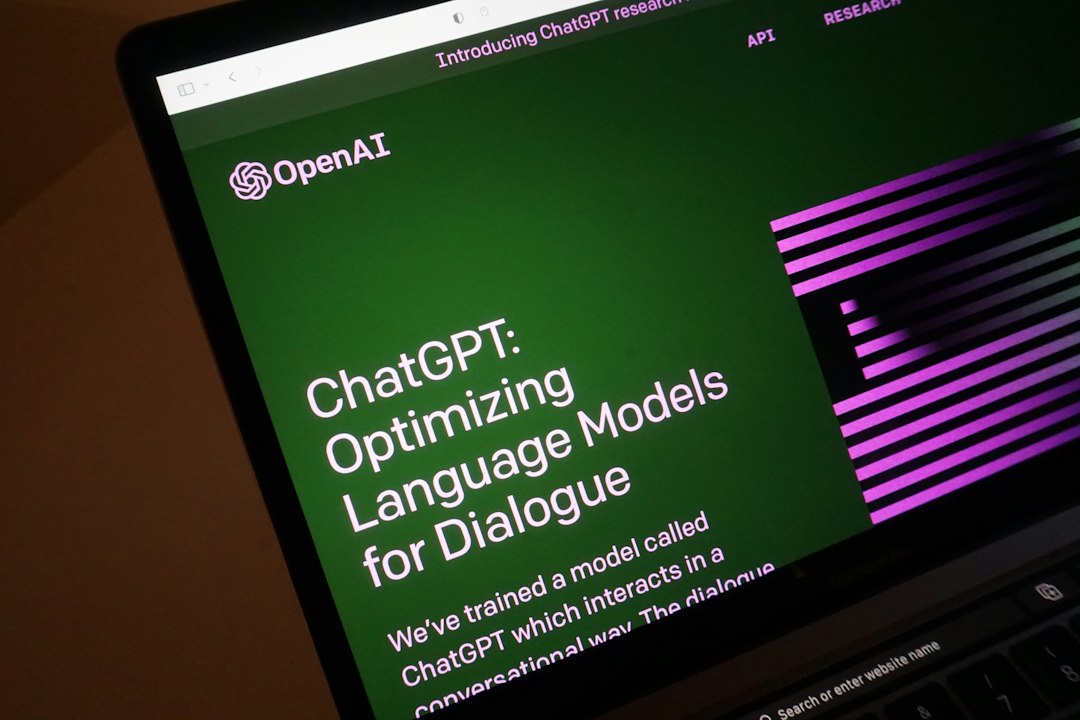
OpenAI has launched Dots, a new AI assistant designed to compete with Meta’s Muse, during its DevDay event on September 29, 2026. Dots are always-on AI agents that utilize the advanced GPT-6 Astra model, allowing them to perform a variety of tasks across connected applications. This launch marks a significant development in the AI tool landscape, particularly for AI researchers and product managers looking for innovative solutions to enhance productivity.
Dots are customizable avatars that learn user preferences over time, enabling them to handle tasks autonomously while providing updates and insights. OpenAI’s approach with Dots not only aims to rival Muse but also to push the boundaries of what AI tools can achieve in real-world applications. This launch is particularly timely as the demand for sophisticated AI tools continues to grow in various sectors, with many organizations seeking to leverage AI for competitive advantage.
Key Features of Dots
One of the standout features of Dots is its ability to operate seamlessly across over 4,000 supported apps. Users can interact with Dots through a text-message-like interface or via voice calls, similar to the functionality offered by Muse. However, Dots take it a step further by integrating with platforms like Microsoft Teams and Slack, allowing for a more cohesive work experience. This integration means that Dots can carry context from one app to another, enhancing collaboration and efficiency for teams. According to TechCrunch, this capability positions Dots as a more versatile tool, particularly in environments where multitasking across various applications is essential.
Moreover, Dots come equipped with built-in safety protocols that allow users to set custom rules for when the AI can act independently. This feature addresses concerns regarding AI autonomy, particularly highlighted by issues surrounding Muse’s handling of sensitive information. For instance, users can dictate specific actions that require permission, ensuring a balance between efficiency and control. This aspect is crucial as organizations increasingly grapple with the ethical implications of AI in decision-making processes.
OpenAI also emphasizes the learning capabilities of Dots. As these AI assistants perform tasks, they adapt to user preferences, potentially anticipating needs before they are explicitly stated. This proactive approach can significantly reduce the time spent on repetitive tasks, allowing product managers and developers to focus on more strategic initiatives. Furthermore, the ability of Dots to learn from user interactions means that they can evolve over time, potentially leading to more personalized and effective assistance. As reported by Yahoo Finance, this adaptability could set Dots apart in a market where user experience is paramount.
The potential for multiple Dots signifies a shift towards a more modular approach to AI assistance, where users can customize their experience based on specific needs and workflows.
Tripura CM Manik Saha's call for AI and digital skills at Tripura University highlights a significant shift in educational priorities, aiming to prepare students for…
In terms of deployment, OpenAI currently allows users to create one Dot, with plans to enable multiple agents in the future. This will provide users with the flexibility to tailor their AI assistants to specific roles or projects, making Dots a versatile tool in the toolkit of AI researchers and product managers. The potential for multiple Dots signifies a shift towards a more modular approach to AI assistance, where users can customize their experience based on specific needs and workflows.
Implications for Professionals in AI
The introduction of Dots signals a shift in how AI tools are being adopted and utilized in the tech industry. AI researchers and product managers will need to adapt their strategies to leverage these advanced capabilities effectively. With Dots’ ability to integrate across multiple platforms and learn user preferences, teams can streamline workflows and improve project outcomes. This adaptability is particularly important in fast-paced environments where agility and responsiveness to user needs are critical.
For AI researchers, the launch of Dots offers an opportunity to explore new methodologies in AI development. The customizable nature of Dots allows for experimentation with different applications and use cases, potentially leading to more innovative solutions. Researchers can utilize Dots to gather data, analyze user interactions, and refine AI models based on real-world feedback. This iterative process is essential for advancing AI technologies and ensuring they meet the evolving demands of users.
Product managers can leverage Dots to enhance project management processes. By utilizing the AI’s ability to automate routine tasks, product managers can allocate more time to strategic planning and decision-making. The integration with collaborative tools like Slack and Microsoft Teams also means that communication within teams can be more fluid, reducing the friction often associated with project management. As noted by Startup Fortune, this seamless integration could lead to more efficient workflows and better team dynamics.
As the competition between OpenAI and Meta intensifies, it will be crucial for professionals in the tech industry to stay informed about the capabilities and limitations of these new tools. The continuous evolution of AI assistants like Dots and Muse will likely influence hiring trends, with a growing emphasis on skills related to AI tool integration and management. The emergence of Dots not only highlights the rapid advancements in AI technology but also underscores the need for professionals to continuously adapt their skills.
The emergence of Dots not only highlights the rapid advancements in AI technology but also underscores the need for professionals to continuously adapt their skills.
Frequently Asked Questions
What features does Dots offer that differ from Muse?
Dots offer unique features such as seamless integration with over 4,000 apps, customizable safety protocols, and proactive learning capabilities that adapt to user preferences. These enhancements aim to improve workflow efficiency compared to Muse.
How can product managers leverage Dots in their projects?
Product managers can use Dots to automate routine tasks and streamline project management processes. The integration with collaborative tools like Slack and Microsoft Teams allows for better communication and coordination within teams.
What should AI researchers consider when evaluating Dots versus existing tools?
AI researchers should consider the adaptability and integration capabilities of Dots, as well as its potential for proactive learning. These features could provide valuable insights and enhance research methodologies compared to existing tools.
Overall, the features of Dots present a compelling alternative to Muse, particularly in terms of integration, customization, and proactive learning. As AI tools evolve, the competition between OpenAI and Meta could drive further innovations that benefit users across various sectors, ultimately reshaping the landscape of AI assistance.




AI & Technology

AI & Technology