No products in the cart.

Ribena Invests in Hardier Blackcurrants to Combat Climate Challenges

Ribena's £200,000 investment aims to develop hardier blackcurrants that can withstand climate challenges, highlighting the urgent need for agricultural innovation in response to changing weather patterns.

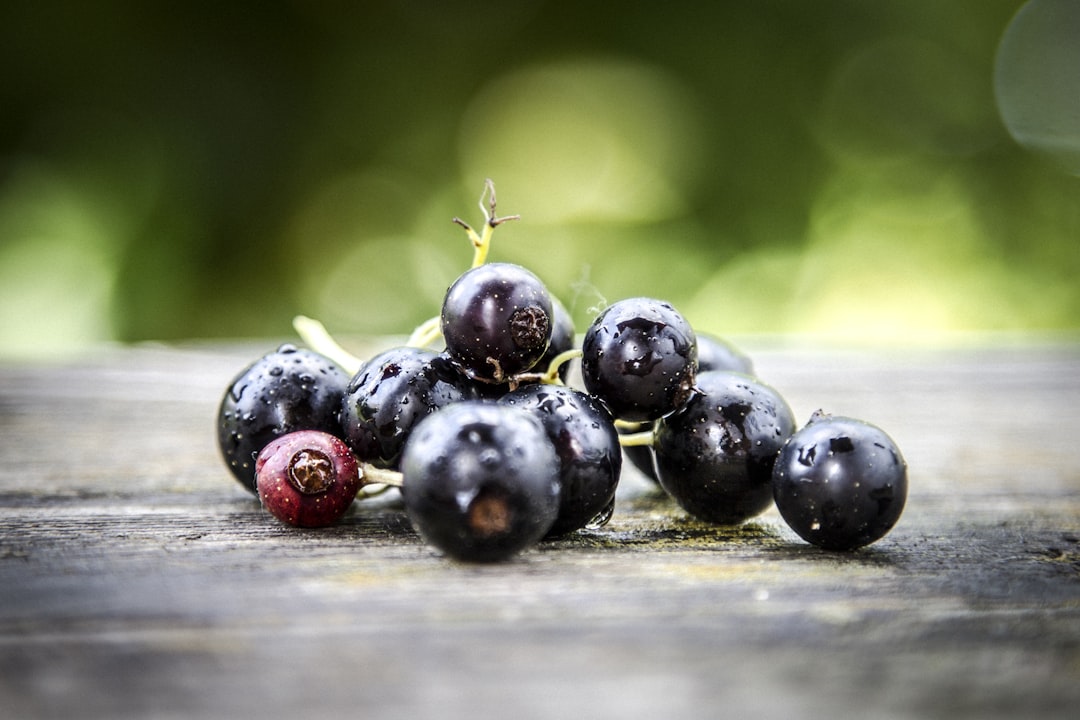
The owner of Ribena has announced a £200,000 investment. This money will help develop hardier blackcurrant varieties. These new plants will better withstand extreme weather. This initiative responds to challenges faced by UK blackcurrant growers. This year’s harvest is expected to be about 10% below the average of 10,000 tonnes due to climate change.
Growers in key regions, like East Anglia and Herefordshire, report significant impacts. This winter was one of the wettest on record. It was followed by localized frosts and intense summer heat. These factors caused premature berry drop and smaller fruit sizes. There is a pressing need for innovation in crop resilience.
Climate Change and Its Impact on Blackcurrant Yields
Data from the Blackcurrant Foundation shows that climate change is changing how blackcurrants are grown in the UK. Jo Hilditch, chair of the foundation and a grower from Herefordshire, noted that weather patterns are now more variable than a decade ago. Growers face challenges like prolonged wet seasons, unexpected frosts, and scorching heatwaves.
This year, the UK had a series of environmental extremes. A wet winter delayed important farming tasks like pruning and weeding. Spring frosts damaged young plants, and intense summer heat stressed the crops. These conditions threaten fruit quality and overall yield. Growers need solutions to help their crops thrive in these new conditions.
Ribena’s investment is part of a broader strategy to improve blackcurrant bushes’ resilience. The company is working with the National Institute of Agricultural Botany (NIAB). They will explore how better soil health can help plants withstand environmental stress. This research will focus on organic soil enhancements. These could improve moisture retention and nutrient cycling, leading to healthier blackcurrant crops.
Developing new blackcurrant varieties that need less cold weather for fruit production is also crucial. As global temperatures rise, traditional growing conditions are less reliable. By investing in these innovations, Ribena aims to secure the future of blackcurrant production in the UK. This will help ensure their products remain sustainable and economically viable.
Advancements in Agricultural Biotechnology and Their Importance Career Ahead’s analysis finds that advancements in agricultural biotechnology are vital.
Advancements in Agricultural Biotechnology and Their Importance
You may also like
 Industry & Global Trends
Currency Defense Gets Makeover as Emerging Asia Guards Reserves
Emerging Asia's central banks are employing creative strategies to stabilize their currencies amid economic pressures. For instance, India has successfully attracted significant capital from its…
Read More →Career Ahead’s analysis finds that advancements in agricultural biotechnology are vital. They help address challenges from climate change. Developing resilient crop varieties is seen as a solution for food security. For blackcurrants, this means creating hardier plants and implementing sustainable farming practices.
Research initiatives like those led by Ribena and NIAB show the importance of collaboration in agricultural innovation. By pooling resources and expertise, these organizations can speed up developing solutions that help growers and consumers. This collaborative approach is essential as agriculture faces pressures from climate change, affecting crop yields and food prices.
Improving soil health through organic amendments is a promising direction for sustainable agriculture. Better soil health can lead to increased biodiversity and improved crop resilience. As these practices spread, they could change how crops are grown, not just in the UK but globally.
The implications for food and beverage developers are significant. Companies must adapt to the changing agricultural landscape by sourcing ingredients from resilient crops. This shift helps ensure a stable supply chain and meets consumer demand for sustainable products. As consumers become more aware of environmental issues, brands that prioritize sustainability will likely gain an advantage.
In summary, Ribena’s investment in hardier blackcurrants is a critical step. It addresses the challenges posed by climate change. This proactive approach ensures the sustainability of blackcurrant production, vital for the food and beverage industry.
Career Ahead’s research indicates that demand for professionals skilled in agricultural biotechnology will rise.
Future Implications for the Food and Beverage Industry
The ongoing efforts to develop resilient blackcurrant varieties are part of a larger trend. Companies in the food and beverage industry are investing in sustainable practices to mitigate climate change impacts. As the industry evolves, there will be a growing need for researchers and product developers to focus on innovations that enhance crop resilience.
Career Ahead’s research indicates that demand for professionals skilled in agricultural biotechnology will rise. Companies will seek to adapt to changing conditions. This presents a significant opportunity for young professionals entering the field. Those with expertise in sustainable farming, soil health management, and crop genetics will be well-positioned.
You may also like
 Industry & Global Trends
$3.6 Billion Foreign Inflows Signal India’s Comeback | Career Outlook
India's equity market is witnessing a resurgence with $3.6 billion in foreign inflows, indicating a shift in investor sentiment towards emerging markets as alternatives to…
Read More →The ripple effects of these advancements will likely extend beyond agriculture. As food production becomes more sustainable, consumers will enjoy a more reliable supply of quality products. This shift could influence policy discussions around food security and environmental sustainability. Governments may support initiatives that promote resilient agricultural practices.

As the UK blackcurrant harvest faces unprecedented challenges, Ribena and its partners may set a precedent for other agricultural sectors. Their focus on resilience and sustainability could inspire similar initiatives across different crops. This may lead to a more robust and adaptable food system.
Looking ahead, how will the agricultural sector continue to innovate amid ongoing climate challenges? The developments in blackcurrant cultivation could serve as a model for other crops. This may pave the way for a more sustainable future in food production.
Career Ahead’s analysis shows that Ribena’s investment in hardier blackcurrant varieties is a key advancement.
Frequently Asked Questions
What are the latest advancements in crop resilience for blackcurrants?
Career Ahead’s analysis shows that Ribena’s investment in hardier blackcurrant varieties is a key advancement. The collaboration with NIAB focuses on improving soil health and developing new varieties that can thrive in changing climates.
How can food and beverage developers adapt to climate change?
Food and beverage developers can adapt by sourcing ingredients from resilient crops, like the new blackcurrant varieties being developed. This ensures a stable supply chain and meets consumer demand for sustainable products.

What should agricultural researchers focus on to improve crop hardiness?
Agricultural researchers should focus on innovations in crop genetics and sustainable farming practices. Enhancing soil health and developing resilient varieties will be crucial in addressing climate change challenges.
You may also like
 Industry & Global Trends
The hidden ledger: why family dynamics matter for retail strategy
The standard view in most marketing textbooks is that the modern consumer is a rational, autonomous individual whose choices are driven by personal preferences,...
Read More →