No products in the cart.

Smithsonian Secretary Faces Pressure Before Departure

Bunch, the first African American to hold this prestigious position, has been a vocal advocate for nonpartisan scholarship.

Washington, D.C. — Lonnie G. Bunch III announced his resignation as Secretary of the Smithsonian Institution on September 8, 2026. He stepped down amid significant political pressure from the Trump administration. His departure highlights the challenges museum leaders face in navigating political landscapes while maintaining their institutions’ integrity.
Bunch was the first African American to hold this prestigious position. He has been a strong advocate for nonpartisan scholarship. However, he faced scrutiny as the Trump administration accused the Smithsonian of having a liberal bias. Supporters say Bunch’s leadership focused on creating an inclusive narrative. A report by the New York Times noted that his resignation followed a ‘mounting pressure campaign’ against him. This reflects the broader ideological battles affecting cultural institutions.
Political Pressures Reshaping Museum Leadership
The political climate in the United States increasingly influences cultural institutions. Under Bunch’s leadership, the Smithsonian became a focal point for political debates. Critics from the Trump administration claimed the institution’s portrayal of American history leaned too liberal. This led to public outcry and calls for Bunch’s resignation. The scrutiny was about both the exhibitions’ content and the perceived mission of the Smithsonian, which some critics argued was becoming overly political.
Cultural institutions must develop strategies to engage diverse audiences while staying committed to factual representation and educational integrity.
As a result, museum directors across the country are grappling with similar pressures. The Smithsonian, a symbol of American culture, has become a battleground for ideological conflicts. This situation raises important questions for museum leaders: How can they uphold their commitment to nonpartisan scholarship while responding to political demands? The ABC News article highlights that Bunch’s resignation shows a trend where museum leadership faces increased scrutiny for perceived political biases. This forces directors to rethink their strategies and communication methods.
You may also like
 News
NewsBloomberg This Weekend 10/4/2026
The launch comes at a time when media consumption patterns are rapidly changing. Viewers increasingly prefer on-demand content and real-time updates, prompting networks like Bloomberg…
Read More →Career Ahead’s analysis finds that Bunch’s resignation signals a shift in expectations for museum leaders. Directors must now navigate a landscape where political affiliations and public perceptions can greatly impact their institutions. The challenge is to balance the integrity of their scholarship with the realities of political influence. This environment requires museums to reevaluate how they communicate their missions and values. Cultural institutions must develop strategies to engage diverse audiences while staying committed to factual representation and educational integrity.
Shifts in Public Perception of Cultural Institutions
The departure of Lonnie G. Bunch III also reflects a broader trend in public perception of cultural institutions. As political polarization rises, museums are often viewed through the lens of partisan politics. This perception can affect funding, visitor engagement, and the overall reputation of these institutions. Bunch’s experience at the Smithsonian serves as a case study for how museum leaders can tackle these challenges.
Career Ahead research shows that public trust in museums is declining, especially among audiences who feel cultural institutions do not represent their viewpoints. This shift presents a significant challenge for museum directors. They must work to regain trust while adhering to their educational missions. The USA Today article emphasizes that the political landscape makes it harder for museums to maintain a neutral stance. They often find themselves caught in public opinion and political agendas.
They must work to regain trust while adhering to their educational missions.
You may also like
 News
NewsJobs Slow but Inflation Keeps Fed on Alert
In September, the economy added just 150,000 jobs, a stark contrast to the 200,000 jobs analysts had predicted. This slowdown comes amid ongoing inflationary pressures,…
Read More →To combat this trend, museum leaders can implement outreach programs that promote transparency and inclusivity. By actively engaging with their communities and addressing concerns about bias, cultural institutions can improve their public perception. This situation also highlights the need for a clear and consistent narrative about the institution’s mission. Museum directors must communicate effectively with stakeholders. They need to ensure that their institutions are seen as valuable resources for education and cultural exchange, not as partisan entities.
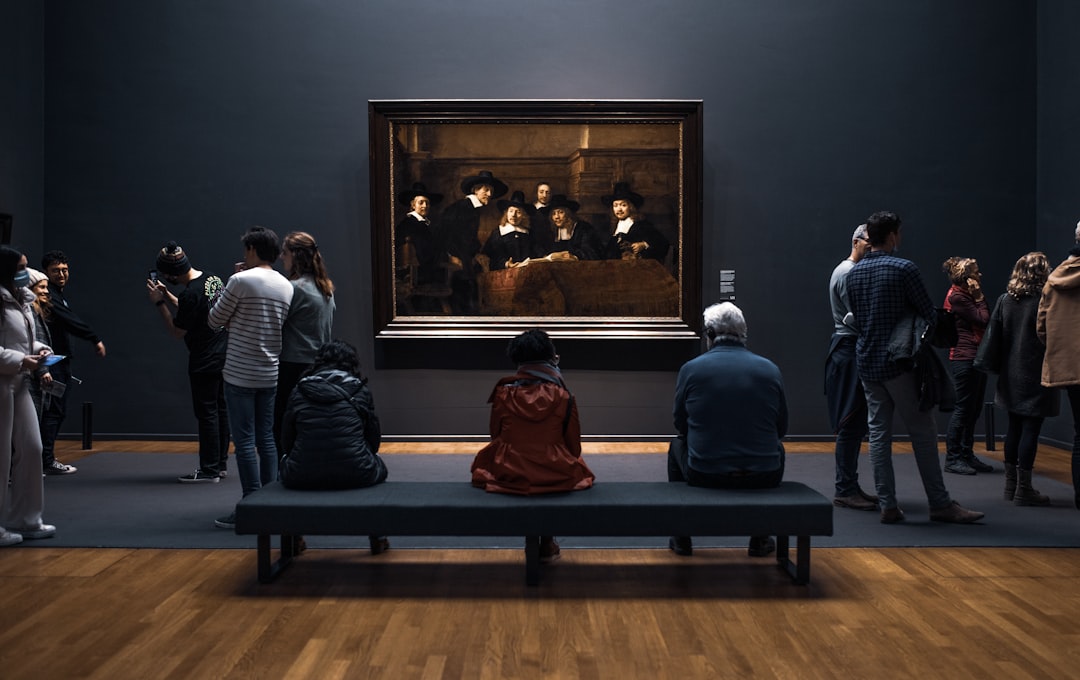
As political pressures continue to shape museum leadership, directors must stay vigilant and proactive. The need for adaptive strategies that prioritize both institutional integrity and public engagement has never been more urgent. Ultimately, the resignation of Lonnie G. Bunch III serves as a reminder of the complexities museum leaders face. As they navigate political pressures, cultural institutions must uphold their integrity and foster public trust in their missions.
As museums continue to grapple with these issues, the question remains: how will leaders adapt their strategies to maintain relevance and integrity in an increasingly polarized society?
Frequently Asked Questions
How can museum directors maintain nonpartisan scholarship?
Museum directors can maintain nonpartisan scholarship by fostering open dialogue, involving diverse perspectives in their programming, and ensuring transparency in their operations. This approach helps reduce perceptions of bias and reinforces the institution’s commitment to factual representation.
Museum directors should prioritize transparency and community engagement to tackle the perception of bias.
What strategies can cultural leaders use to address political pressures?
Cultural leaders can address political pressures by actively engaging with their communities, promoting inclusivity, and collaborating with a wide range of experts. By doing so, they can create a more balanced narrative that resonates with diverse audiences.

What should museum directors do about the perception of bias in their institutions?
You may also like
 News
NewsUAE may halt UK investments after Manchester City guilty verdict
The UAE's potential withdrawal of investments in the UK, following Manchester City's guilty verdict for financial breaches, could significantly impact the sports and real estate…
Read More →Museum directors should prioritize transparency and community engagement to tackle the perception of bias. By clearly communicating their mission and values, they can build public trust and reinforce their commitment to nonpartisan scholarship.