No products in the cart.

Spain battles climate change on several fronts
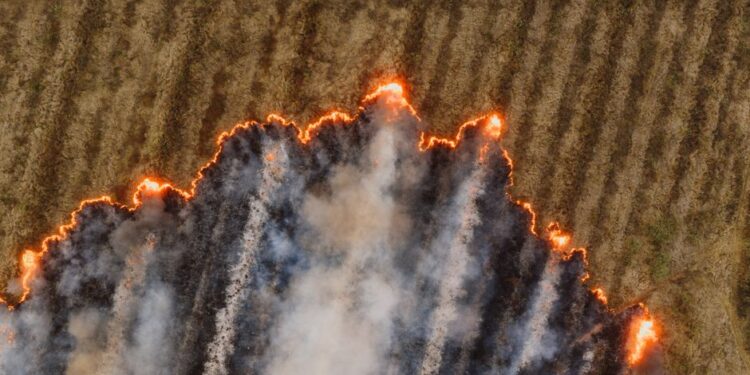
Farmers like Juan Ángel Izquierdo, whose family has farmed for generations, are feeling the brunt of these climate impacts.

Spain is experiencing a surge in wildfires driven by climate change, causing significant damage to its agricultural sector. This summer, wildfires have burned over 300,000 hectares of land, affecting livestock farming and crop production. The situation has prompted urgent discussions among policymakers and agricultural producers about the need for adaptive strategies.
Farmers like Juan Ángel Izquierdo, whose family has farmed for generations, are feeling the brunt of these climate impacts. In late July, a massive wildfire destroyed two-thirds of his land and resulted in the loss of 20 cows. Such devastating losses are becoming more common as wildfires grow in frequency and intensity, with conditions becoming increasingly favorable for these disasters. According to a report by BBC News, the fire that impacted Izquierdo’s farm was part of a larger blaze that merged with others, ultimately consuming around 80,000 hectares, making it one of the largest wildfires in Spain’s history.
Impact of Wildfires on Livestock Farming
The rise in wildfires presents a direct threat to livestock farming in Spain. According to data from the European Forest Fire Information System (EFFIS), this year alone, wildfires have decimated large swathes of farmland, leading to the destruction of approximately 16,000 hectares of crops by mid-August. The agri-food industry, which contributes around 9% to Spain’s GDP, is facing a critical challenge.
Wildfires not only kill livestock but also destroy feed resources essential for their survival. As farmers like Izquierdo have noted, the loss of hay and pastureland means that many are struggling to sustain their herds. The economic implications are severe; with livestock losses and the need to purchase feed at inflated prices, many farmers are facing financial ruin. The emotional toll on farmers is significant, as they express anxiety and fear about future wildfires, leading to a sense of uncertainty about their livelihoods. This growing concern is prompting calls for more robust wildfire management strategies and support systems for affected farmers.
The emotional toll on farmers is significant, as they express anxiety and fear about future wildfires, leading to a sense of uncertainty about their livelihoods.
You may also like
 News
NewsECB’s Lane Says New Energy Shock to Lead to Longer Inflation
Philip Lane, the chief economist of the European Central Bank, warns that rising energy prices will prolong inflationary pressures in Europe, necessitating a reassessment of…
Read More →Moreover, the increasing frequency of wildfires is linked to changing climate patterns, which have been exacerbated by greenhouse gas emissions. A report from Yahoo emphasizes that the changing climate is leading to hotter, drier summers, which create ideal conditions for wildfires. The consequences of these fires extend beyond immediate losses; they threaten the long-term viability of livestock farming in regions previously thought to be safe from such disasters. Farmers are now faced with the daunting task of adapting their practices to a new reality where wildfires are an ever-present threat.
Furthermore, the impact of wildfires on local economies cannot be understated. As rural communities rely heavily on agriculture, the destruction of farmland not only affects farmers but also the broader economy, including jobs related to food production and distribution. The loss of agricultural output can lead to increased food prices, affecting consumers and exacerbating food insecurity in the region.
New Environmental Regulations and Sustainable Practices
In response to the escalating wildfire crisis, Spanish authorities are considering new environmental regulations aimed at bolstering the resilience of the agricultural sector. These regulations may include stricter land management practices and incentives for adopting sustainable farming techniques. For instance, farmers may be encouraged to implement controlled burns and create firebreaks to protect their land from wildfires.
Moreover, there is a growing recognition among policymakers that supporting farmers through education and resources is crucial.
Additionally, there is a push for integrating technology in monitoring and managing fire risks. Drones and satellite imagery can help farmers assess their land and detect potential fire hazards early. Such innovations can significantly enhance preparedness and response strategies, reducing the impact of wildfires on agriculture. As highlighted by France24, the implementation of these technologies is crucial for farmers who are increasingly reliant on data-driven decisions to safeguard their crops and livestock.
You may also like
 News
NewsDiesel Crisis Drains Paychecks Across Britain
UK diesel prices have surged dramatically, with some forecourts charging nearly £2 per litre, impacting delivery drivers and commuters alike.
Read More →Career Ahead research indicates that the transition to sustainable farming practices is not just necessary for combating wildfires but also beneficial for the environment. Practices such as crop rotation, agroforestry, and organic farming can improve soil health and increase biodiversity, making farms more resilient to climate change. Moreover, there is a growing recognition among policymakers that supporting farmers through education and resources is crucial. Training programs focused on sustainable practices can empower farmers to adapt to changing conditions, ensuring the future of agriculture in Spain.
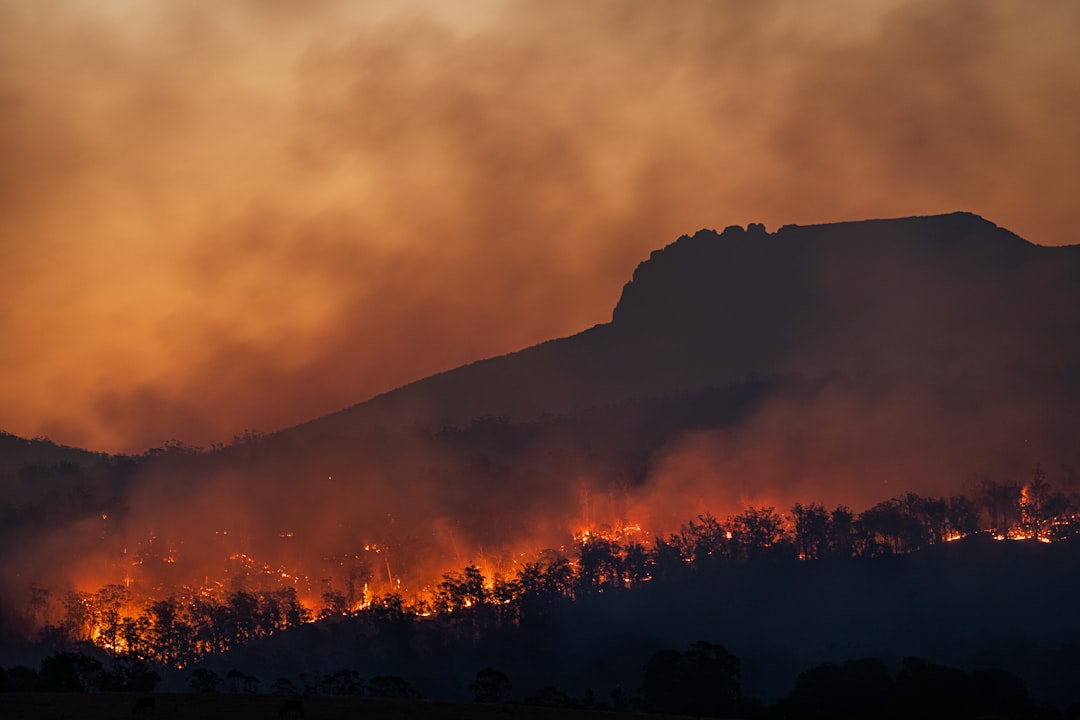
As Spain grapples with the dual challenges of climate change and wildfires, the agricultural sector stands at a crossroads. The decisions made today will shape the landscape of farming for generations to come, necessitating a collective effort from farmers, policymakers, and environmentalists. While the road ahead may be fraught with challenges, the potential for innovation and adaptation offers a glimmer of hope. Spain’s agricultural producers are resilient, and with the right support, they can navigate these turbulent times.
What remains to be seen is how effectively these new regulations will be implemented and whether they will provide the necessary support for farmers facing the growing threat of wildfires. The urgency of the situation calls for immediate action, as the future of Spain’s agricultural landscape hangs in the balance.
This includes funding for technology integration, education on sustainable methods, and regulations that promote land management strategies to reduce fire risks.
Frequently Asked Questions
What are the best practices for farmers to mitigate wildfire risks?
Farmers can mitigate wildfire risks by implementing controlled burns, creating firebreaks, and using technology for early detection of fire hazards. Additionally, adopting sustainable farming practices such as crop rotation and agroforestry can enhance resilience against wildfires.
How can environmental policies support sustainable agriculture in Spain?
Environmental policies can support sustainable agriculture by providing incentives for farmers to adopt eco-friendly practices. This includes funding for technology integration, education on sustainable methods, and regulations that promote land management strategies to reduce fire risks.
What should agricultural producers do to adapt to climate change?
Agricultural producers should focus on diversifying their crops, investing in sustainable practices, and staying informed about climate trends. Collaborating with local authorities and organizations can also provide essential resources and support for adapting to changing conditions.
You may also like
 News
NewsAirlines urge action after UK flights delayed and cancelled again
A technical issue at the Prestwick air traffic control center led to over 200 flight cancellations, prompting airlines to demand accountability and improvements in air…
Read More →