No products in the cart.

U.S. Banks See Higher Overdraft‑Fee Revenue After Regulation Scrapped
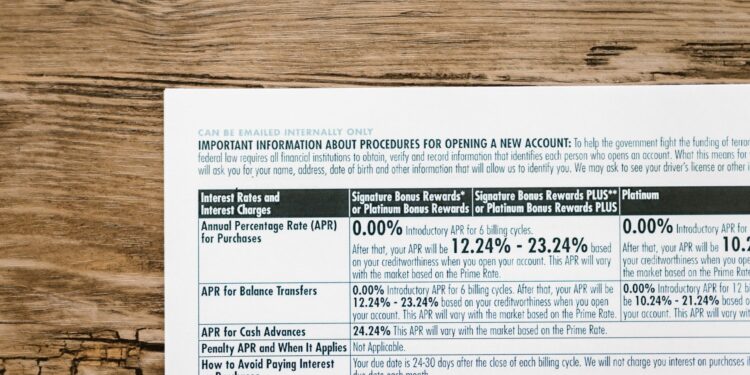
U.S. banks report higher overdraft‑fee revenue after a proposed fee cap was withdrawn, coinciding with a congressional vote preserving a $35 fee standard.

Banks report a rise in overdraft‑fee income following the abandonment of a proposed fee cap. The increase coincides with heightened CFPB scrutiny and a congressional vote preserving a $35 fee standard.
Large U.S. banks announced that revenue from consumer overdraft fees grew in the first quarter of 2024 after a regulatory proposal to limit such fees was withdrawn earlier in the year. The trend was identified in a Reuters analysis that compared fee collections across the nation’s biggest lenders, noting a measurable jump despite some institutions having recently reduced or eliminated certain overdraft charges.
The core participants include Bank of America, Wells Fargo, and other major banks that collectively generate the bulk of overdraft‑fee income. The Consumer Financial Protection Bureau (CFPB) intensified its oversight of banks that rely heavily on overdraft charges in 2021, prompting several institutions to modify fee structures, but the subsequent regulatory shift allowed them to raise fees again.
Congressional action in March 2024 maintained the $35 overdraft‑fee benchmark for large banks, a decision supported by House Republicans and opposed by consumer‑advocacy groups such as the National Consumer Law Center (NCLC).
Regulatory Context and Recent Policy Changes
The CFPB announced in 2021 that it would closely examine banks whose earnings from overdraft fees exceeded industry averages, signaling potential enforcement actions for excessive charging practices. This announcement spurred a wave of voluntary fee reductions at some banks, including the removal of certain “opt‑out” fees and the introduction of lower‑cost overdraft protection products.
The withdrawal removed a ceiling that had limited banks’ ability to set fee amounts, effectively reopening the market for higher charges.
In early 2024, the CFPB’s proposed rule to cap overdraft fees at $15 per incident was withdrawn after industry lobbying and concerns about unintended impacts on credit‑access services. The withdrawal removed a ceiling that had limited banks’ ability to set fee amounts, effectively reopening the market for higher charges.
You may also like
 News
NewsBloomberg This Weekend 10/4/2026
The launch comes at a time when media consumption patterns are rapidly changing. Viewers increasingly prefer on-demand content and real-time updates, prompting networks like Bloomberg…
Read More →Simultaneously, the House Committee on Financial Services voted to retain the existing $35 overdraft‑fee standard for large banks, a measure championed by Republican lawmakers who argued the fee structure supports risk‑based pricing. The NCLC criticized the vote, stating that preserving the higher fee level would disproportionately affect low‑income consumers already burdened by rising living costs.
Revenue Trends at Major Banks

Reuters data show that total overdraft‑fee revenue at the ten largest U.S. banks increased by approximately 7% year‑over‑year in Q1 2024, reaching $2.3 billion across the sector. Bank of America reported a 5% rise in overdraft‑related income, while Wells Fargo saw an 8% increase, despite both institutions having eliminated certain legacy overdraft fees earlier in 2023.
The revenue growth is attributed to higher fee amounts per transaction and an increase in the frequency of overdraft events, which analysts link to inflation‑driven consumer spending pressures. Economic data indicate that household budgets have tightened, leading to more frequent account shortfalls and, consequently, higher fee accruals for banks.
While some banks have introduced fee‑waiver programs for qualifying customers, the overall net effect of the regulatory rollback has been an upward shift in fee income. The CFPB has not yet issued new enforcement actions targeting the recent fee increases, but it continues to monitor banks’ reliance on overdraft charges as part of its broader consumer‑protection mandate.
Impact on Consumers and Advocacy Response
The rise in overdraft fees directly affects consumers who experience account balances falling below zero, a situation more common among low‑income households. Data from the Federal Reserve indicate that overdraft incidents are 2.5 times higher for customers with annual incomes below $30,000, suggesting that fee hikes could exacerbate financial strain for this demographic.
The revenue growth is attributed to higher fee amounts per transaction and an increase in the frequency of overdraft events, which analysts link to inflation‑driven consumer spending pressures.
Consumer‑advocacy groups, including the NCLC, have warned that higher overdraft fees can erode savings, increase debt burdens, and reduce overall financial stability for vulnerable populations. The NCLC’s recent statements call for renewed regulatory action to protect consumers from “predatory” fee practices and to promote transparent, affordable overdraft alternatives.
You may also like
 News
NewsJobs Slow but Inflation Keeps Fed on Alert
In September, the economy added just 150,000 jobs, a stark contrast to the 200,000 jobs analysts had predicted. This slowdown comes amid ongoing inflationary pressures,…
Read More →Financial educators note that the current environment underscores the importance of budgeting tools and overdraft‑protection options that do not rely on punitive fees. Institutions such as Bank of America have expanded low‑cost overdraft protection linked to savings accounts, but enrollment remains voluntary and may not reach all at‑risk consumers.
Key Facts
What: U.S. banks report higher overdraft‑fee revenue after a proposed fee cap was withdrawn.
When: Revenue increase reported for Q1 2024; regulatory scrutiny began in 2021; congressional vote in March 2024.
banks report higher overdraft‑fee revenue after a proposed fee cap was withdrawn.
Impact: Consumers, especially low‑income households, face higher fees; banks see increased fee income; advocacy groups call for renewed consumer protections.
You may also like
 News
NewsUAE may halt UK investments after Manchester City guilty verdict
The UAE's potential withdrawal of investments in the UK, following Manchester City's guilty verdict for financial breaches, could significantly impact the sports and real estate…
Read More →Sources
- Bank of America, Wells Fargo scrap some overdraft fees as regulatory scrutiny grows – Reuters
- The CFPB says it will scrutinize banks that rely heavily on overdraft charges – The New York Times
- Why Some Banks Still Charge High Overdraft Fees – The New York Times
- US overdraft fees jump at big banks amid regulatory, economic shifts – Reuters
- House Republicans Ignore Rising Prices, Vote to Keep $35 Big Bank Overdraft Fees – NCLC