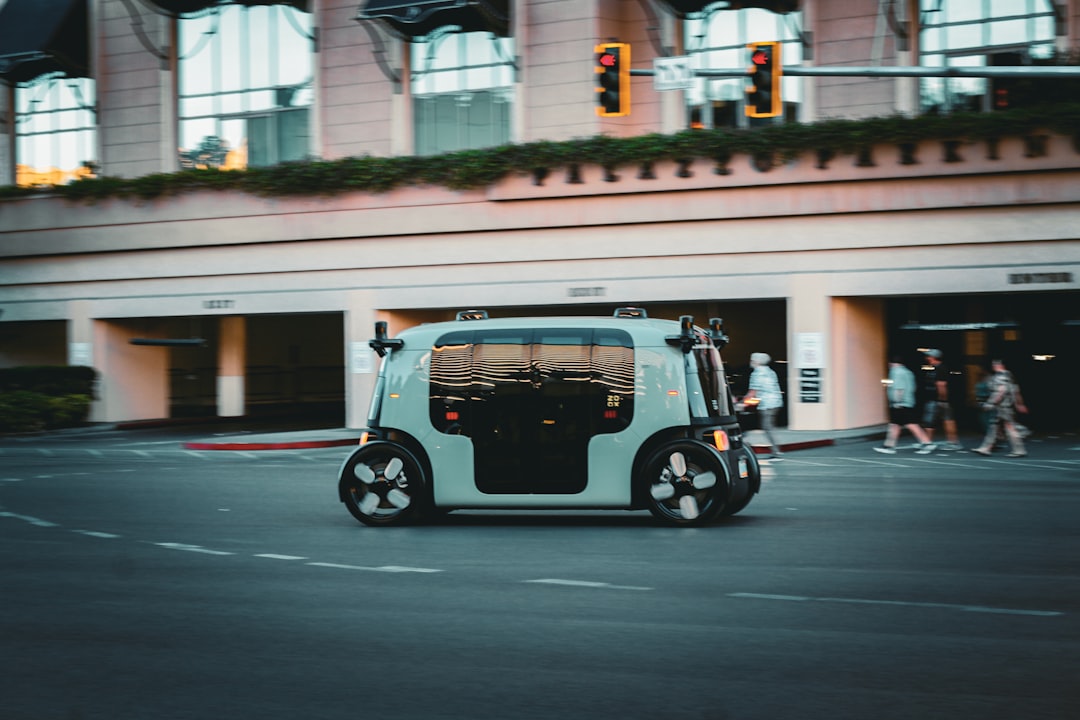
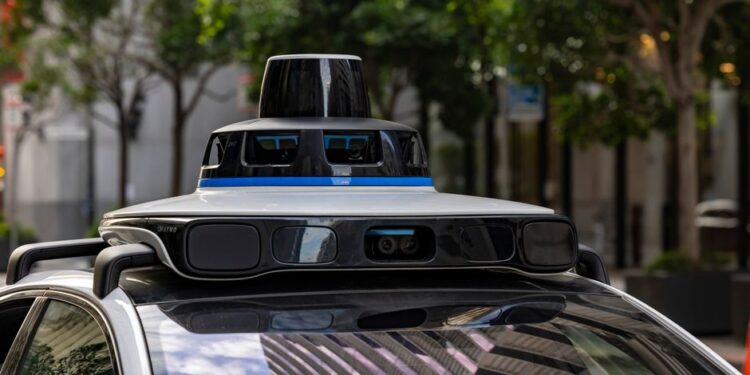
Europe is set to welcome 2,000 robotaxis as Uber and Pony.ai expand their partnership to revolutionize urban transportation. This initiative comes as both companies aim to secure a foothold in the rapidly evolving robotaxi market. The deployment will take place across four European cities, although specific locations have yet to be announced.
This development is significant as it highlights the increasing ambition of Uber and Pony.ai in the autonomous vehicle sector. With Uber having partnered with over 30 autonomous vehicle firms and Pony.ai already operational in multiple cities in China, this expansion represents a critical step towards commercializing robotaxi services in Europe. According to a report from TechCrunch, the companies have not yet disclosed the timeline for deployment or the specific cities involved, but they have indicated that details will be revealed in phases, suggesting a strategic rollout plan.
Demand for Expertise in Autonomous Vehicle Systems
The planned deployment of robotaxis will create an immediate demand for professionals skilled in autonomous vehicle technology. As these vehicles rely heavily on advanced AI systems for navigation and safety, engineers with expertise in machine learning, computer vision, and robotics will be essential. Career Ahead analysis identifies that this shift will require a workforce capable of developing, maintaining, and optimizing these technologies. Furthermore, as highlighted by CNBC, the integration of these autonomous systems into existing urban infrastructures will necessitate collaboration between transportation planners and engineers. Urban transportation planners will need to rethink mobility strategies to accommodate these new vehicles, ensuring they align with city layouts and public transport systems. This will likely lead to an increase in job opportunities for urban planners who specialize in smart city solutions.
This shift will create additional roles in fleet management and logistics, emphasizing the need for professionals who can efficiently handle these operations.
The closure of Ukraine's Black Sea ports poses a significant threat to agricultural exports, potentially halving volumes. This disruption calls for a reevaluation of global…
As the robotaxi fleet begins to operate, the role of maintenance and operational logistics will also evolve. Local providers may be tasked with managing the fleet, which includes vehicle maintenance, charging, and cleaning. This shift will create additional roles in fleet management and logistics, emphasizing the need for professionals who can efficiently handle these operations. Career Ahead research finds that professionals with backgrounds in AI, robotics, and transportation systems will find themselves at the forefront of this transition. As cities adapt to the presence of robotaxis, the demand for specialized training and education in these fields will only grow. The anticipated influx of robotaxis could also stimulate innovation in related sectors, such as electric vehicle infrastructure, further broadening the scope of job creation in this emerging market.
Impact on Urban Transportation Infrastructure Planning
The introduction of robotaxis poses significant implications for urban transportation infrastructure. City planners will need to consider how these vehicles fit into the existing transportation ecosystem. This includes evaluating traffic patterns, public transport integration, and pedestrian safety. The deployment of robotaxis could lead to reduced congestion in urban centers, as they may offer a more efficient alternative to traditional taxis and personal vehicles. Moreover, the potential for reduced emissions from autonomous electric vehicles aligns with many European cities’ sustainability goals. As cities aim to lower their carbon footprints, the adoption of robotaxis could play a crucial role in achieving these objectives. This shift will require urban planners to integrate green technologies and sustainable practices into their transportation strategies.
Additionally, the successful implementation of robotaxis may encourage cities to invest in further smart city technologies. The data collected from robotaxi operations can provide valuable insights into traffic management and urban mobility patterns, enabling planners to make informed decisions about future infrastructure investments. However, the transition will not be without challenges. Urban planners must address concerns related to data privacy, safety, and the potential displacement of traditional taxi services. Balancing innovation with the needs of existing transportation services will be crucial in ensuring a smooth transition to robotaxi integration. As noted by Reuters, the collaboration between Uber and Pony.ai is not only about deploying vehicles but also about creating a framework that supports the coexistence of various transport modes, which is essential for a holistic urban mobility strategy.
Understanding sector cycles is essential for investors looking to navigate the complexities of the market. This article explores historical trends, macroeconomic influences, and strategies for…
With the rollout of robotaxis in Europe, the future of urban transport is set to change dramatically. As these technologies become mainstream, the implications for job markets, urban planning, and transportation policies will continue to evolve. The anticipated changes could lead to a reimagining of urban landscapes, where the integration of autonomous vehicles is seamlessly woven into the fabric of city life, enhancing mobility for all residents.
The data collected from robotaxi operations can provide valuable insights into traffic management and urban mobility patterns, enabling planners to make informed decisions about future infrastructure investments.
Frequently Asked Questions
What skills are needed for engineers working on autonomous vehicles?
Engineers working on autonomous vehicles need skills in machine learning, computer vision, and robotics. They should also be familiar with software development and systems engineering to effectively contribute to the design and implementation of these technologies.
How will urban transportation planners adapt to the rise of robotaxis?
Urban transportation planners will need to rethink mobility strategies to integrate robotaxis into existing transport systems. This includes evaluating traffic patterns, public transport connections, and pedestrian safety to ensure a seamless transition.
What should autonomous vehicle engineers focus on in light of new partnerships like Uber and Pony.ai?
Autonomous vehicle engineers should focus on developing advanced AI systems and ensuring the safety and efficiency of robotaxi operations. Collaboration with urban planners will also be crucial to align technological advancements with infrastructure needs.



Industry & Global Trends
 Industry & Global Trends