No products in the cart.

Uber to put 500 data-collection vehicles on the road this year

Uber plans to deploy 500 data-collection vehicles globally in 2026, aimed at enhancing real-world driving data for its autonomous vehicle partners, including Avride, Waymo, and WeRide.

Uber plans to deploy 500 data-collection vehicles worldwide in 2026. This effort aims to improve real-world driving data for its autonomous vehicle partners. The vehicles will mainly be Hyundai Ioniq 5 models, equipped with advanced sensors. They will collect extensive data that will significantly impact the development of self-driving technology.
This initiative is vital for Uber’s strategy to support its autonomous vehicle partners, such as Avride, Waymo, and WeRide. The deployment marks a key moment for Uber, especially after selling its autonomous vehicle division to Aurora in 2020. The data collected will help refine AI models for autonomous driving. It will provide a comprehensive dataset that reflects various driving conditions. According to TechCrunch, this is the first time Uber has assembled vehicles for data collection since the sale. This shows a renewed commitment to the autonomous driving sector.
Enhancing Data Collection for Autonomous Vehicles
The 500 vehicles will have 14 cameras, eight solid-state lidar sensors, and nine radars. They will collect about 2 million miles of high-fidelity data each month. This data will help train self-driving software and improve the geographical diversity of datasets used by Uber’s partners. Such detailed data collection is crucial for developing strong autonomous systems that can navigate different environments. The extensive sensor suite will provide a better understanding of real-world driving scenarios, essential for improving the algorithms that power autonomous vehicles.
Career Ahead’s analysis shows that this initiative will increase the demand for data analysis skills in transportation. As autonomous vehicle systems become more complex, the need for data scientists will grow. These professionals must engage with large datasets and use machine learning techniques to derive actionable insights that improve vehicle performance. Additionally, collaboration opportunities with Uber are expected to grow for automotive engineers and data scientists. As Uber enhances its data collection, partnerships with educational institutions and tech companies will likely emerge. This will foster innovation in autonomous driving and create pathways for professionals to work on cutting-edge technologies.
These professionals must engage with large datasets and use machine learning techniques to derive actionable insights that improve vehicle performance.
The introduction of these vehicles will benefit Uber’s partners and set a new industry standard. Other companies may recognize the importance of real-world data in developing autonomous technologies. This shift could lead to more similar initiatives across transportation, speeding up the development of safer and more efficient self-driving vehicles. As noted by Bing News, Uber’s strategy reflects a shift towards leveraging real-world data, which is becoming vital in the competitive landscape of autonomous driving.
You may also like
 Industry & Global Trends
Divergent Targets Faster, Cheaper Defense Production
Divergent Technologies is set to revolutionize defense manufacturing through advanced technologies like 3D printing, aiming to enhance efficiency and reduce costs.
Read More →Implications for Data Scientists and Automotive Engineers
The deployment of 500 data-collection vehicles shows a trend in transportation: the growing reliance on real-world data for autonomous vehicle development. As companies like Uber invest in data collection, data scientists will play a key role in this evolution. Their ability to analyze complex datasets will be critical in shaping the future of autonomous driving. Data scientists working with Uber’s data will need skills in machine learning algorithms and data visualization tools. Extracting insights from large datasets will be essential, as this data will train AI models that enhance vehicle performance. Career Ahead’s research indicates that professionals who can connect data analysis with practical applications in autonomous vehicles will be in high demand.
For automotive engineers, integrating real-world data into vehicle design will open new avenues for innovation. Engineers must adapt their approaches to include data-driven decision-making in developing autonomous systems. This shift will require a deep understanding of engineering principles and data analytics, creating a unique skill set that combines technical expertise with analytical capabilities. As the industry evolves, professionals must stay updated on emerging trends and technologies in data collection and analysis. Continuous learning and professional development will be crucial for those looking to succeed in this rapidly changing environment. Collaboration between data scientists and automotive engineers will be vital in leveraging insights from Uber’s data-collection initiative to advance autonomous vehicle technology.
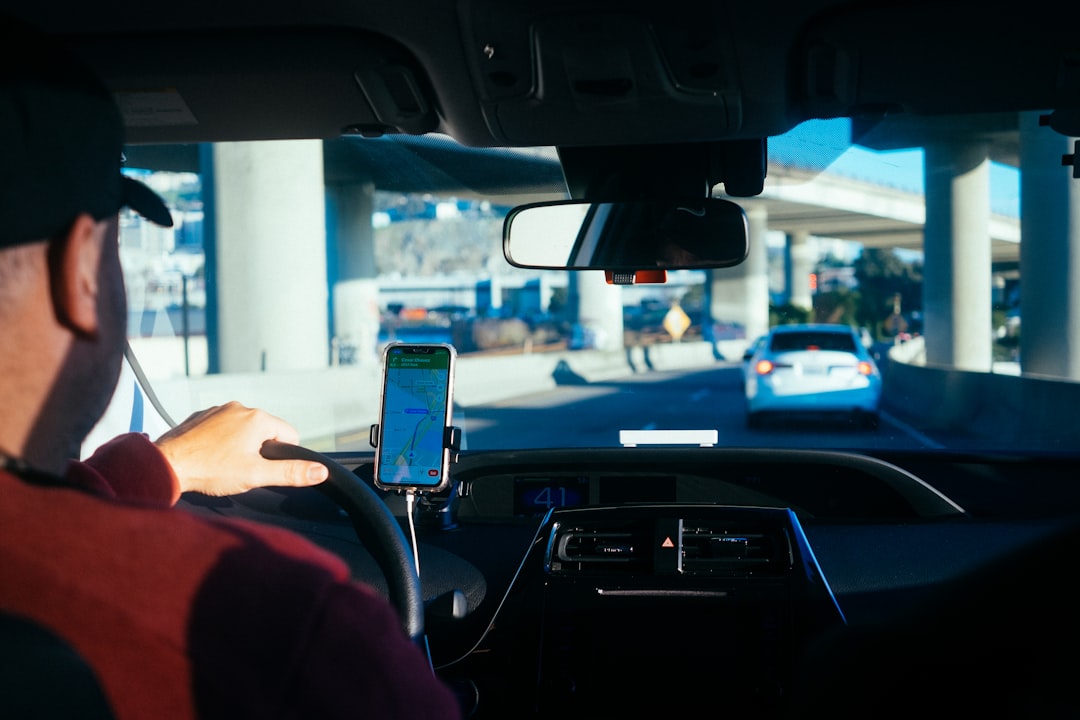
Ultimately, Uber’s data-collection vehicles impact more than just the company. They represent a broader movement in transportation to use real-world data for developing autonomous systems. This trend could reshape transportation, leading to safer and more efficient vehicles. As public acceptance of self-driving technology grows, data quality will play a crucial role in shaping perceptions and policies about autonomous driving. The insights gathered from these vehicles may also inform regulatory discussions and safety standards, further influencing the future of autonomous vehicle deployment.
Data scientists working with Uber’s data will need skills in machine learning algorithms and data visualization tools.
As Uber rolls out its fleet of data-collection vehicles, the implications for autonomous driving are significant. With the ability to gather extensive real-world data, Uber is positioning itself as a leader in the autonomous vehicle space. The success of this initiative could encourage other companies to adopt similar strategies, leading to a surge in data-driven innovations across the industry. Moreover, the data collected may provide insights beyond technical performance, offering a comprehensive view of how vehicles interact with various driving conditions and environments.