No products in the cart.

Wheat Export Ban Lifted to Support Farmers

India has lifted its ban on wheat and wheat products exports, effective August 24, 2026, to support farmers amid low local prices.

India has lifted its ban on wheat and wheat products exports. This change is effective from August 24, 2026. The government announced this decision to help farmers earn more as local prices remain low. The ban had been in place since May 2022 to control rising prices but is now revised to allow free exports. This marks a significant shift in agricultural policy.
The government’s decision follows a record wheat production of 120.65 million tonnes in the 2025-26 crop year. This surplus has caused local prices to drop, prompting officials to act in farmers’ interests. Food Secretary Sanjeev Chopra stated that lifting the ban would improve domestic prices and encourage better sowing in the upcoming rabi season. According to The Hindu, this policy shift directly responds to the agricultural sector’s need for revitalization. Farmers have faced challenges due to fluctuating prices and climate impacts.
With this policy change, traders can start exporting wheat and products like flour and semolina. Earlier this year, the government allowed limited exports of 50 lakh tonnes of wheat and 10 lakh tonnes of wheat products. However, the recent announcement simplifies the process. This indicates a strong approach towards agricultural exports. Bing News highlights that this decision is about creating a better environment for agricultural trade.
Increased Export Opportunities for Wheat Farmers
The lifting of the wheat export ban opens new opportunities for wheat farmers in India. With access to international markets, farmers can increase their revenue. The government’s decision aligns with its strategy to support agricultural producers by allowing them to benefit from higher global prices. This is crucial as farmers have struggled with low domestic prices that do not cover production costs.
Career Ahead’s analysis shows that global wheat prices fluctuate due to climate conditions and international demand. As India re-enters the global market, wheat farmers can take advantage of these price changes. If international prices rise, Indian farmers can earn more than from local sales. Additionally, demand for Indian wheat is expected to grow, especially in areas facing supply issues due to geopolitical tensions or adverse weather, as noted by the USDA.
Career Ahead’s analysis shows that global wheat prices fluctuate due to climate conditions and international demand.
You may also like
 Government & Policy
Essential ITR-3 and ITR-4 Schedules for Freelancers
Freelancers in India must file their income tax returns (ITR) using ITR-3 and ITR-4 forms by August 31. Understanding the essential schedules in these forms…
Read More →This policy change could also lead to more competition among exporters, which may raise prices for farmers. Exporters will likely seek high-quality wheat to meet international standards. This will encourage farmers to improve their production practices. The potential for higher earnings can motivate farmers to invest in better seeds, fertilizers, and farming technology, leading to increased agricultural productivity.
However, these new export opportunities come with challenges. Farmers need to stay informed about international market trends and adapt their strategies. This may involve understanding export regulations and ensuring compliance with quality standards set by importing countries. As competition grows, farmers must be ready to meet the demands of international buyers, which may include certifications and product traceability.
Impact on Local Wheat Prices and Market Dynamics
Lifting the export ban is expected to significantly impact local wheat prices. Currently, the all-India average retail price of wheat is ₹31.46 per kg, stable compared to last year. However, as export demand rises, local prices are likely to increase. This adjustment is crucial for farmers who have struggled with low profitability due to stagnant prices.
Career Ahead research finds that the relationship between local and global markets is vital for farmers. Increased demand for Indian wheat internationally can lead to higher domestic prices, benefiting farmers who have faced low prices recently. This dynamic shows the importance of understanding global market trends for local agricultural producers. The government assures that there is enough wheat stock to meet domestic demand, indicating that lifting the ban will not harm local consumers. The Food Corporation of India reportedly holds nearly 49 million tonnes of wheat in buffer stock, which should help stabilize prices in the short term.
Career Ahead research finds that the relationship between local and global markets is vital for farmers.
As farmers begin exporting, they will face competition from other wheat-producing countries. Countries like Russia and Ukraine are also major players in the global wheat market. Therefore, Indian farmers must focus on quality and price competitiveness to secure their position. The government’s commitment to monitoring domestic prices will be essential to ensure that the benefits of this policy change reach the agricultural sector. This proactive approach can help mitigate any negative impacts on local consumers while supporting farmers’ livelihoods.
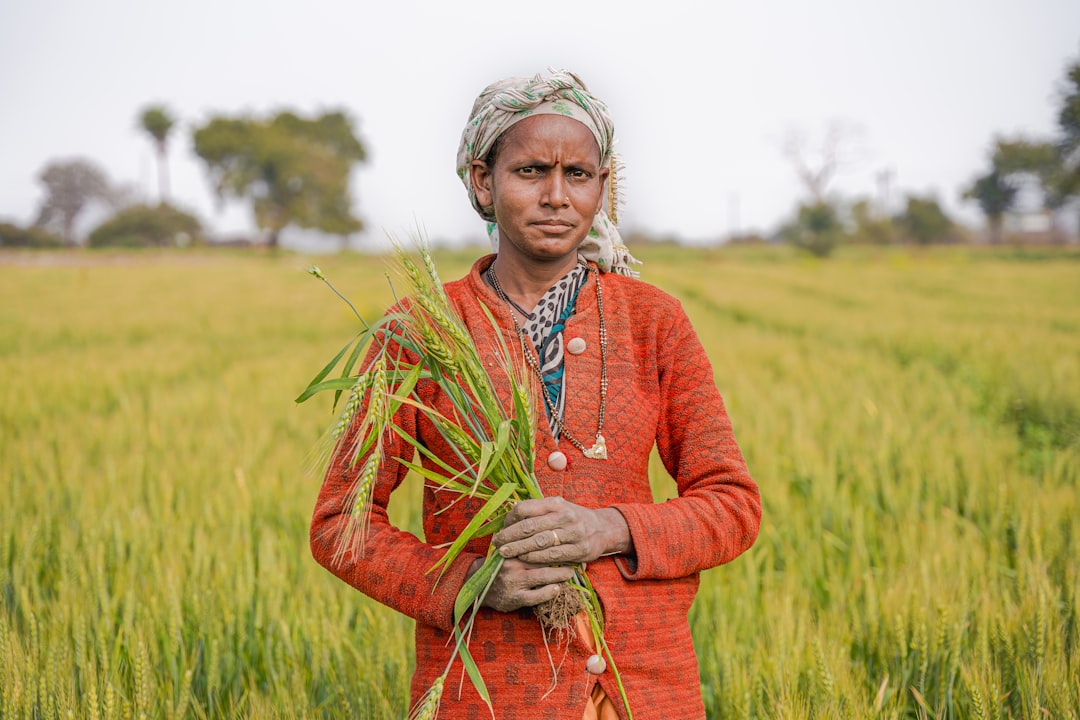
Ultimately, lifting the export ban reflects a broader understanding of the need for farmers to engage with global markets. By aligning local production with international demand, the government aims to create a more resilient agricultural economy. Farmers must navigate this new landscape, balancing local needs with the opportunities of international markets. Adapting to these changes will be critical for success in the evolving agricultural sector.
You may also like
 Government & Policy
International Workers Face EPF Contribution Shifts
Recent changes in EPF rules significantly impact international workers. Understanding these nuances is crucial for expatriates in finance and technology to optimize their retirement savings…
Read More →The implications of this policy shift extend beyond immediate price changes. As farmers integrate into global supply chains, they must consider market access, trade regulations, and competition. The Indian agricultural sector is at a crossroads, and how farmers respond will shape the future of wheat production in the country.
Lifting the wheat export ban sets the stage for a transformative period for Indian wheat farmers and agricultural exporters. With the potential for increased revenue, farmers must prepare for the complexities of international trade. This includes understanding export regulations and building relationships with foreign buyers. As competition grows, farmers need to enhance their production capabilities. Those who invest in quality improvements and efficient practices will likely benefit the most. The government’s support in facilitating exports will be crucial in this transition.
Looking ahead, the agricultural landscape in India may change significantly as farmers adapt to new market realities. The focus on quality and compliance will become essential as they seek to maintain a competitive edge globally. As these developments unfold, the future of wheat farming in India may depend on farmers’ ability to innovate and adapt. The next few months will be critical as the market adjusts to this new reality, and the implications for farmers and exporters will be closely monitored.
As these developments unfold, the future of wheat farming in India may depend on farmers’ ability to innovate and adapt.
Frequently Asked Questions
How can wheat farmers maximize profits after the export ban lift?
Wheat farmers can maximize profits by accessing international markets, which may offer better prices than local sales. They should focus on quality improvements and understand export regulations to compete effectively.
What are the new regulations for agricultural exporters post-ban?
Post-ban, agricultural exporters can freely export wheat and wheat products without licensing complications. They must ensure compliance with international quality standards to meet market demands.
What should wheat farmers do to prepare for increased competition in the export market?
Farmers should invest in improving their production techniques and quality to stand out in the competitive export market. Staying informed about global market trends will also be crucial.
You may also like
 Government & Policy
Uber faces fine of nearly $1B over automated driver suspensions
Uber has been fined €825 million by the Dutch Data Protection Authority for using automated systems to deactivate driver accounts without adequate human oversight. This…
Read More →