Capacity constraints redefine competitive advantage Industries that once measured success by scale now gauge performance by how tightly they manage megawatts....
Industries that once measured success by scale now gauge performance by how tightly they manage megawatts. When the grid cannot deliver promised power, manufacturers scramble for backup generators or cut output, eroding margins.
“Today, the energy transition is about security, resilience and technologies.” — Maciej Kolaczkowski, Manager, Advanced Energy Solutions Industry, World Economic Forum
Global energy investment in 2025 is likely to have passed $3.3 trillion, with $2.2 trillion flowing into clean energy technologies.
Renewables’ intermittency forces new efficiency playbooks
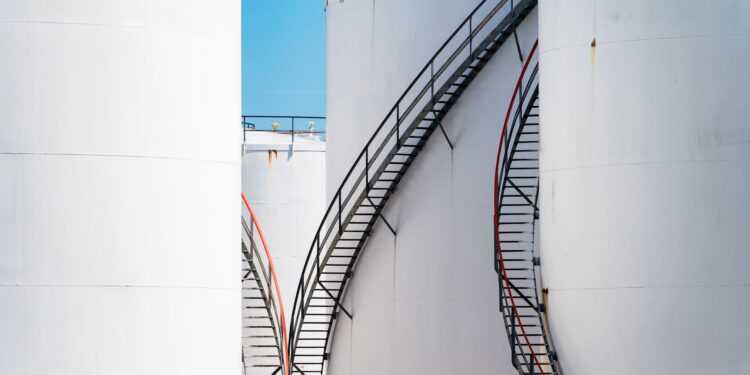
Alternative Fuels Landscape Shifts Amid Capacity Constraints Photo: pexels
Solar and wind surge during daylight or windy spells, then plunge, leaving factories with fluctuating power. Companies respond by retrofitting equipment with smart controls that throttle load in real time, squeezing every kilowatt.
Global energy investment in 2025 is likely to have passed $3.3 trillion, with $2.2 trillion flowing into clean energy technologies.
The alternative‑fuel sector leans heavily on hydrogen electrolyzers that demand steady electricity; any dip forces costly downtime. Consequently, firms invest in on‑site battery farms that smooth spikes, converting surplus renewable output into dispatchable power.
Our analysis shows that firms that embed energy‑management software across production lines cut electricity waste by up to 15 percent, a margin that rivals modest price hikes in feedstock.
The recent leadership change at Warner Studios, involving the integration of Paramount executives, is set to reshape production strategies and project approvals, signaling a shift…
Europe’s dense grid and aggressive storage subsidies grant manufacturers a cushion that Asian producers lack. In contrast, regions with aging infrastructure experience daily curtailments, prompting firms to relocate high‑intensity plants nearer to renewable hubs.
These moves reshape supply chains: a European steelmaker now sources iron ore from North Africa to tap offshore wind capacity, while a U.S. logistics firm contracts with a Texas solar farm to guarantee night‑time charging for its electric fleet.
The emerging “Alternative Fuel Capacity Gap Index” quantifies these mismatches, ranking regions on a scale of 1 to 10 based on renewable availability, storage density and grid flexibility.
These moves reshape supply chains: a European steelmaker now sources iron ore from North Africa to tap offshore wind capacity, while a U.S.
Investing in storage and grid modernization as a business imperative
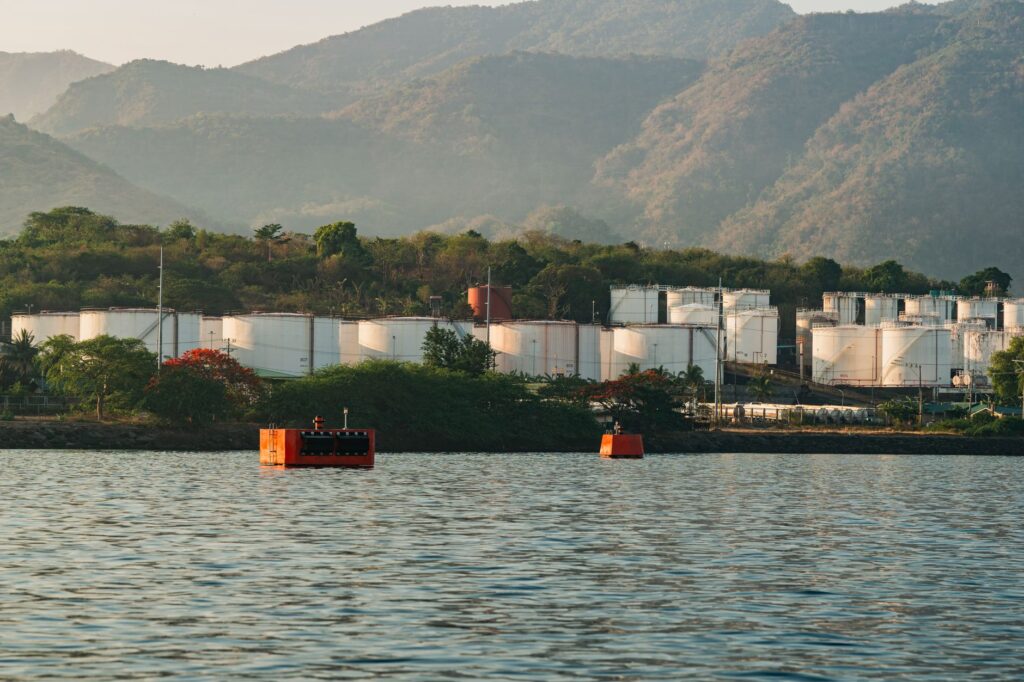
Alternative Fuels Landscape Shifts Amid Capacity Constraints Photo: unsplash
Governments and corporations pour funds into next‑generation batteries, pumped hydro and modular micro‑grids, turning storage from a cost center into a profit lever. Companies that co‑invest in grid upgrades secure priority access, reducing curtailment risk and stabilizing fuel prices.
We see that aligning capital with storage projects yields a dual benefit: it cushions operations from price volatility and creates ancillary revenue streams through grid services.
The shift also nudges corporate strategy toward vertical integration, as firms acquire or partner with storage providers to lock in capacity. By internalizing the supply chain, they sidestep external bottlenecks and gain bargaining power in a market where energy scarcity dictates terms.
Energy capacity constraints are no longer a peripheral concern; they dictate where factories locate, how products are priced and which technologies receive boardroom approval.
Anchored in real-world sector and country transitions, it provides an independent set of credible scenarios covering electricity, industry, buildings and transport, and the key drivers shaping these sectors until 2050.
The tightening of bench policies in India's IT sector reflects a significant transformation in workforce management, impacting job security and project allocation.
In a world where megawatts dictate margins, the firms that master scarcity will shape the next decade of the alternative‑fuel economy.
RESEARCH FACTS (anonymised — do NOT mention these source names in the article): [Source 1] INSIGHTS New Energy Outlook 2026 The New Energy Outlook presents BloombergNEF’s long-term energy and climate scenarios for the transition to a low-carbon economy.. Anchored in real-world sector and country transitions, it provides an independent set of credible scenarios covering electricity, industry, buildings and transport, and the key drivers shaping these sectors until 2050. [Source 2] The role and potential of alternative fuels in driving the energy transition Published: 23 September 2025 Volume 150, pages 18007–18042 (2025) Cite this article Save article View saved research Journal of Thermal Analysis and Calorimetry Aims and scope Submit manuscript AbstractThe global transition to sustainable energy systems is crucial for addressing climate change and reducing reliance… [Source 3] Today, the energy transition is about security, resilience and technologies.. Image: REUTERS/Phil Noble/File PhotoMaciej KolaczkowskiManager, Advanced Energy Solutions Industry, World Economic ForumThis article is part of: Centre for Energy and Materials



 Industry & Global Trends
Industry & Global Trends