
No products in the cart.

Dead EV Batteries Create ₹1 Lakh Crore Market
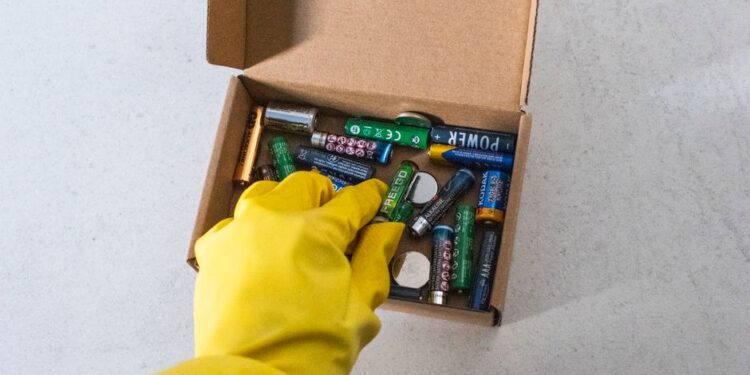
A recent study reveals that India's retired electric vehicle (EV) batteries could yield ₹1.01 lakh crore in recoverable minerals by FY2040-41, highlighting the urgent need for investment in recycling infrastructure.

India’s retired electric vehicle (EV) batteries could hold a staggering ₹1.01 lakh crore in recoverable minerals by the fiscal year 2040-41. This estimate comes from a recent study by the Centre for Social and Economic Progress (CSEP). The analysis highlights the economic potential of battery recycling in India. It emphasizes the need for immediate investment in recycling infrastructure.
The CSEP paper, authored by Shyamasis Das and Kartik Nair, projects a significant increase in annual EV sales. They estimate that sales will reach 9.1 million by FY2030-31 and nearly 49.9 million by FY2037-38. This growth presents a unique opportunity for battery recycling engineers and sustainability consultants. They can play a pivotal role in shaping a circular economy around EV batteries.
Unlocking Economic Potential Through Battery Recycling
As India transitions to electric vehicles, the demand for battery recycling technologies is set to soar. The CSEP study indicates that between FY2026-27 and FY2040-41, India could recover about 573 kilotonnes of minerals from retired EV batteries. This includes critical materials like lithium, nickel, and cobalt, essential for manufacturing new batteries. These materials are vital not only for EV batteries but also for various electronic devices.
Currently classified as hazardous waste, these dead batteries represent a significant missed opportunity for resource recovery. The paper suggests that effective recycling could meet about 10% of India’s lithium demand for EV battery manufacturing between FY2026-27 and FY2030-31. This could increase to around 12% in the following five years. This shift could lower EV production costs and stabilize supply chains reliant on imports. By reclaiming these minerals domestically, India can enhance its energy security and reduce vulnerability to global supply chain disruptions.
Career Ahead’s analysis finds that the potential for battery recycling in India is both an environmental imperative and a substantial economic opportunity. The estimated ₹55,057 crore investment needed to build recycling capacity by FY2040-41 could create thousands of new jobs in battery management and recycling technologies. This includes roles for engineers specializing in battery design and recycling processes, as well as consultants focused on sustainability practices. The growing EV market will require a skilled workforce to manage the complexities of battery lifecycle management, from design to disposal.
Moreover, the study highlights that electric two-wheelers are expected to contribute significantly to recoverable minerals. They could account for about 57% of all minerals available for recycling. This underscores the importance of targeting specific vehicle segments to maximize recovery efforts and enhance the economic viability of recycling operations. With the rise of electric scooters and bikes in urban areas, the potential for mineral recovery from these vehicles is substantial.
The growing EV market will require a skilled workforce to manage the complexities of battery lifecycle management, from design to disposal.
You may also like
 Industry & Global Trends
AI Talent Race Between US and China Is the Next Battleground
The competition for AI talent between the US and China is growing, with significant implications for job opportunities and recruitment strategies in the field. The…
Read More →As recycling capacity expands, India can learn from the European Union and China. Both have established stringent recovery targets for critical minerals. Implementing similar policies in India could accelerate the development of a robust recycling ecosystem. This would position the country as a leader in sustainable battery management. The EU’s success in battery recycling has been driven by strong regulatory frameworks and public-private partnerships. India could emulate these to foster innovation and investment in this sector.
Regulatory Framework and Industry Response
The Indian government recognizes the need for a comprehensive regulatory framework to facilitate battery recycling. The Battery Waste Management Rules, 2022, lay the groundwork for managing battery disposal and recycling. However, experts argue that these regulations need strengthening to ensure effective collection and recovery of minerals. The current regulatory landscape is fragmented, posing challenges for recyclers who require clear guidelines and support.
Career Ahead’s research indicates that the current collection system for spent EV batteries is fragmented. To address this, the CSEP paper recommends establishing clear collection targets and enhancing take-back programs. This regulatory clarity will streamline operations for recyclers and encourage manufacturers to design batteries with recyclability in mind. Introducing incentives for manufacturers who prioritize recyclability could further enhance these regulations.
Furthermore, the proposed Battery Aadhaar framework aims to create a digital registry for tracking battery life cycles. This could significantly improve recovery rates. By mandating that a portion of the minerals used in new batteries come from recycled sources, India can foster a circular economy. This initiative could also provide valuable data for policymakers and industry stakeholders to make informed decisions regarding battery management and recycling strategies.

Furthermore, the proposed Battery Aadhaar framework aims to create a digital registry for tracking battery life cycles.
As the market for EVs continues to grow, the urgency for a cohesive recycling strategy becomes more pronounced. The CSEP paper warns that without timely investments in recycling infrastructure, India risks missing a significant economic opportunity. The anticipated increase in EV sales could lead to millions of retired batteries in the coming years. Proactive measures are essential. A well-coordinated approach among government agencies, industry players, and academic institutions is critical to harnessing the full potential of battery recycling.
In this context, sustainability consultants will play a crucial role. They will guide companies in navigating the evolving regulatory landscape while helping them develop sustainable practices that align with government mandates. As the industry matures, the demand for expertise in sustainability will increase, making it a promising field for professionals looking to make an impact.
You may also like
 Industry & Global Trends
Hormuz Crude Oil Exports Near Pre-War Levels
The return to pre-war export levels is crucial as it indicates a stabilization in the oil market. Producers and shipping industries have adapted by employing…
Read More →Looking ahead, the battery recycling industry in India is poised for substantial growth. This growth will be driven by both market demand and regulatory support. The CSEP study projects that by FY2040-41, the country could achieve a recycling capacity of up to 3,315 kilotonnes. This is a significant increase from the current capacity of around 80 kilotonnes. Achieving this ambitious target will require collaboration between government bodies, manufacturers, and recycling firms. The investment of ₹55,057 crore needed to build this capacity will create jobs and stimulate innovation in recycling technologies.
Moreover, as the demand for EVs continues to rise, the potential for job creation in this sector is immense. Battery recycling engineers will play a critical role in developing efficient processes for mineral recovery. Sustainability consultants will be essential in helping companies adapt to the new regulatory environment. As India embarks on this journey towards a sustainable EV ecosystem, the question remains: Will the country capitalize on this opportunity to transform dead batteries from a liability into a valuable resource? The answer will depend on the collective efforts of all stakeholders involved in the battery value chain.
In summary, the future of battery recycling in India presents a unique intersection of economic opportunity and environmental responsibility. As the country navigates this transition, the focus must remain on building a robust infrastructure that supports sustainable practices and fosters innovation in recycling technologies.
In summary, the future of battery recycling in India presents a unique intersection of economic opportunity and environmental responsibility.
Frequently Asked Questions
What are the best practices for recycling EV batteries?
Career Ahead’s analysis shows that best practices for recycling EV batteries include establishing a comprehensive collection system. Investing in advanced recycling technologies and adhering to regulatory standards is also crucial. A well-structured framework ensures efficient recovery of valuable materials.
How can sustainability consultants leverage the EV battery recycling market?
Sustainability consultants can leverage the EV battery recycling market by guiding companies in compliance with regulations. They can help develop sustainable practices and facilitate partnerships between manufacturers and recyclers. Their expertise will be vital as the industry evolves.
What skills do battery recycling engineers need to succeed in this emerging field?
Battery recycling engineers should focus on skills related to materials science, chemical engineering, and process optimization. Understanding recycling technologies and regulatory frameworks will be essential for success in this growing sector.
You may also like
 Industry & Global Trends
Man Charged
A US national has been charged with illegally exporting Nvidia chips to China, raising significant compliance and legal concerns in the semiconductor industry.
Read More →








rIKsSSlLIljMzlQdV
klNCKEXcVzDeqJBa