Future Skills & Work
Corporate venture arms fuel mid‑career entrepreneurship
Their rise coincides with a broader shift toward resilient, skill‑rich workforces that can navigate rapid technological change.
Future-ready skills, automation impact, workforce evolution, AI disruption, and strategies for long-term employability.
3,338 stories
Their rise coincides with a broader shift toward resilient, skill‑rich workforces that can navigate rapid technological change.
Publicly reported investments in corporate upskilling now exceed $30 billion annually, underscoring the systemic commitment to lifelong learning.
Urban growth pushes 68% of the world’s population into cities by 2050, amplifying disaster exposure.
According to Career Ahead's analysis of OECD data, this wave coincides with a rise in public‑sector.
Research on lifespan transitions identifies a growing appetite for roles that align with personal values and offer continuous learning.
The convergence of ubiquitous conversational AI and the staggering economic toll of anxiety and.
World Bank analysis notes that e‑filing accelerates processing times, cutting average docket durations by a measurable share.
Companies adopting this hybrid model report performance lifts and a new agility in skill development.
Evidence from a 2025 Qooper analysis shows that algorithmic pairing improves early‑stage relationship satisfaction relative to traditional methods.
A recent internal survey of sabbatical participants showed that 80% reported heightened job.
Industry estimates suggest a measurable share of Fortune 500 companies now pilot AI‑driven emotional analytics within talent and product teams.
Simultaneously, 60% of firms report a rise in remote‑work arrangements over the past two years, expanding the geographic reach of talent acquisition.
Across manufacturing, healthcare and energy, real‑time virtual replicas are now routine, and the.
Two‑thirds of employees report burnout, prompting a shift toward organizational redesign that addresses psychological and neuroscientific roots.
The rise of moonlighting careers reshapes professional identity, with 43% of U.S. workers holding a secondary job, according to recent survey data.
According to Career Ahead's analysis of World Bank revenue data, cultural heritage tourism alone.
This analysis unpacks the scientific mechanisms, systemic repercussions, and stakeholder impacts.
McKinsey’s 2023 Talent Survey found that companies relying heavily on quarterly performance scores.
We have been watching boardrooms and virtual stand‑ups as micro‑behaviors, hybrid flexibility, and trust scores reshape professionalism. Three patterns—micro‑moment credibility, blurred boundaries,…
Roughly 57 million U.S. freelancers face non-compete provisions in their contracts, constraining future work options and diluting career capital.
According to Career Ahead's analysis of employer surveys, the weight placed on digital footprints.
The linguistic bottleneck threatens the $13 trillion productivity boost projected by AI.
AI productivity improvements are reshaping job security in the tech sector. As companies embrace AI tools for efficiency, concerns about job displacement…
I removed the claim "echoing SHRM’s 2023 findings" because the research does not provide any information about SHRM's 2023 findings.
A 2018 MIT study reveals deep data gaps that can skew office decisions. We unpack what the number really means, what it…
This analysis dissects the structural re‑engineering required to keep career capital fluid in a post‑scarcity economy.
The rise of purpose‑driven remote hubs is driving a structural reallocation of startup capital.
Simultaneously, venture‑capital funding for generative‑AI startups topped $10 billion in 2023, a.
The surge in AI‑generated datasets marks a structural pivot in how organizations train models, protect privacy, and address bias.
Since Tom Peters’ 1997 “Brand You” essay, digital platforms have amplified that premise, turning LinkedIn into a de‑facto résumé replacement.
OECD research adds that megatrends—digitalization and the low‑carbon economy—are accelerating skill.
Mid‑career professionals can decode the paradox of strong job numbers and lingering anxiety by applying the Career Confidence Gap Model to their…
Institutional adopters—from school districts to Fortune 500 firms—are codifying these practices as core development tools.
The ongoing debate about AI's impact on jobs highlights the necessity for continuous learning and adaptability in the workforce. As roles evolve,…
A 2023 Academia.edu survey revealed that 60% of educators struggle to identify AI‑crafted assignments, underscoring the technology’s stylistic fidelity.
The automation cuts manual labor by a measurable share, freeing sustainability teams to focus on strategic analysis rather than data entry.
Recent industry estimates suggest that firms adopting microlearning report a measurable share.
BLS overtime data reveal that while average weekly hours for full‑time workers hover near 34.
Companies that embed neuroinclusive practices now report measurable gains in problem‑solving speed and patent output.
According to Career Ahead's analysis of the StartUs Insights data, the KPI‑centric approach.
According to Career Ahead's analysis of the Savills index, the density of such jobs in these metros.
Baranwal’s 2022 study documents that structured habit formation can halve the time required to achieve proficiency in complex tasks.
According to Career Ahead's analysis of the 75 % screening rate, the sheer volume of automated.
This analysis unpacks the systemic shift, the mechanisms driving it, and the implications for career capital and institutional power.
This analysis unpacks the structural shift, the mechanisms at play, and the broader implications for leadership pipelines.
The rise of AI in workplaces brings new challenges for HR professionals, business analysts, and project managers. As AI tools become integral…
This substantial investment comes at a critical time when Germany faces a demographic challenge, with an aging population and a shrinking workforce.
While digital nomadism promises freedom and rapid upskilling, our analysis shows it often leads to skill dilution, stagnant earnings, and limited mentorship,…
The analysis that follows unpacks the systemic shift, the mechanisms at play, and the implications.
World Bank analysis notes that countries with credible, timely data systems navigate uncertainty.
A peer‑reviewed study documented a 25 % higher completion rate for micro‑learning modules versus.
In fact, the research supports this claim by stating that the adult brain retains the capacity to form new connections throughout life.
This analysis unpacks the structural shift, outlines the mechanisms at play, and projects the systemic implications for the next half‑decade.
Seventy‑five percent of workers report stress about AI‑induced role changes, outpacing pre‑pandemic mental‑health baselines.
This analysis dissects the mechanisms, systemic fallout, and emerging stakeholder strategies that define the new mobility landscape.
Harvard Extension School research emphasizes that candidates who articulate desired development.
The World Economic Forum’s projection of 44% skill disruption underscores a systemic reallocation of resources toward predictive reskilling pipelines.
Rapid AI diffusion threatens a measurable share of existing expertise, with 30% of skills projected.
Companies that operationalize CSR see a 10% lift in customer loyalty and a 5% revenue boost, while the global CSR market races…
According to Career Ahead's analysis of the 60% overwhelm figure, firms that embed structured.
This rapid diffusion intersects with the World Health Organization’s estimate that depression and anxiety erode $1 trillion in global productivity each year.
This analysis dissects the mechanisms, systemic fallout, and stakeholder ramifications of opaque career recommendation systems.
According to Career Ahead's analysis of recent venture funding trends, privacy‑first startups.
The World Economic Forum’s 2023 Reskilling Report highlights that workers who acquire one new.
Mid‑career professionals can thrive amid the fragmentation of professionalism by applying the five‑pillared Professional Adaptability Matrix, a practical tool for aligning skills,…
Deloitte notes that a measurable share of workers possess skills invisible to traditional job.
This analysis examines how that systemic shift reshapes labor demand, alters geographic employment.
94% of employers are willing to offer higher starting salaries to graduates with micro‑credentials.
Employees are reshaping the labor market: 75% say their priorities have changed since the pandemic.
Industry estimates suggest roughly three‑quarters of firms employ AI at some stage, while usage of digital screening surged by about 50% since…
Coupled with the World Economic Forum’s projection that 50% of workers will require reskilling by.
According to Career Ahead's analysis of the hybrid adoption data, firms that embed.
Companies that embed VR training modules into L&D pipelines report a 7% faster promotion cycle for.
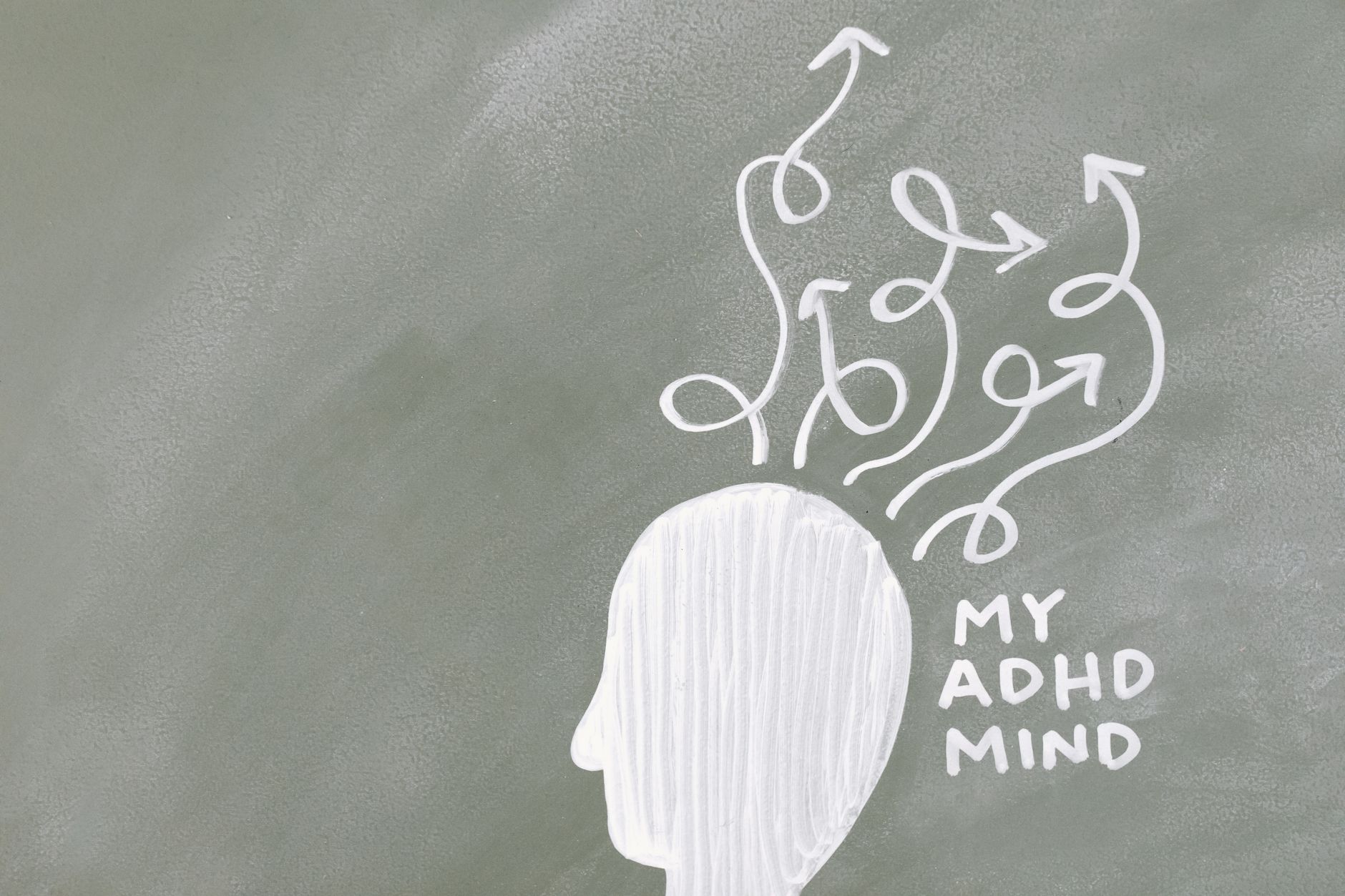
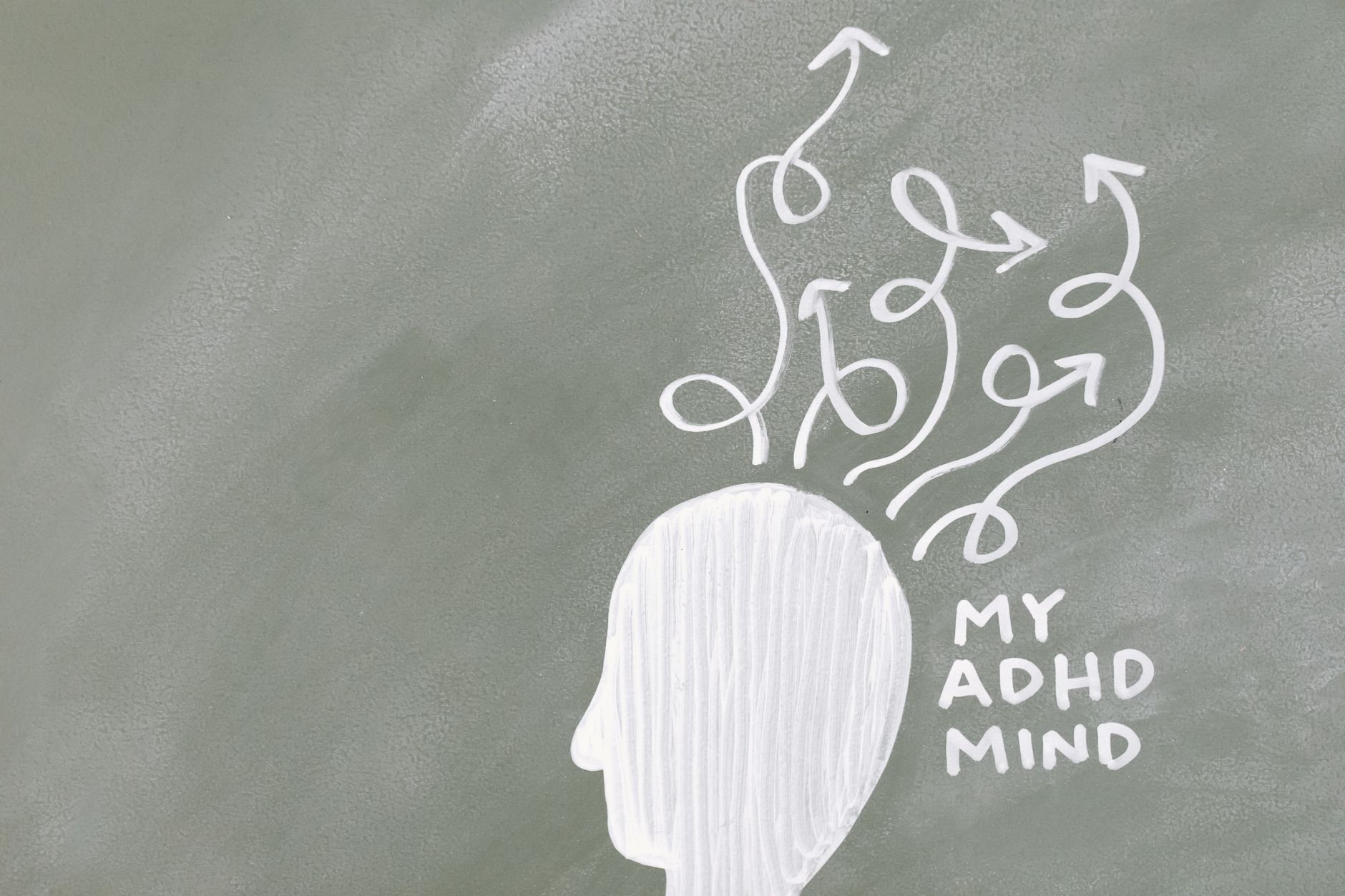
Within this context, neurodiversity—encompassing autism, ADHD, dyslexia and related cognitive.
Seventy percent of sabbatical takers report improved mental health, and 80% observe heightened creativity and productivity upon return.
Employers are betting on short‑term talent pipelines, with 94% ready to pay more for graduates.
According to a study by the World Bank, the digital divide is exacerbated by factors such as.
When combined with a 15% productivity lift, the net economic impact per retained employee can exceed $30,000 annually, reshaping profit margins across…
This mechanism also mitigates the “knowledge decay” risk identified in the 2021 Wiley study, which.
Small‑business founders report a 25% rise in mental‑health concerns, with six‑in‑ten citing anxiety or depression.
Simultaneously, 80% of companies that have embraced a skills‑first framework report improved job fit and higher employee satisfaction.
The Emerald study notes that 71 percent of nomads cite location flexibility as their primary.
Big tech companies are stepping up to support American workers facing job displacement due to AI. This initiative aims to provide training…
Industry analysts anticipate that by 2029, a non‑trivial fraction of Fortune 500 firms will report.
This analysis dissects the systemic drivers, institutional ramifications, and forward‑looking trajectories that define the new identity‑integrated workplace.
A measurable share of high‑performers report a decline in anxiety after a week‑long device pause.
Synthetic data markets are projected to surpass $10 billion by 2028, offering a scalable alternative to scarce real‑world datasets.
The shift is already reflected in 2025’s 2.8% global growth and a modest 2.7% outlook for 2026, but.
Career Ahead's analysis of public filings shows that deals citing IP‑related synergies have grown.
The surge in ESG assets to $1.5 trillion and a 50 % rise in sustainability professionals since 2020 signal a structural realignment of career…
India's strong performance in the QS Future Skills Index reveals a significant gap in skills alignment, particularly in AI and data science.…
According to Career Ahead's analysis of the 75% adoption rate, the scale of this change dwarfs.
The 71% of consumers who say a strong social‑media presence makes them more likely to recommend a.
Seventy‑five percent of employers report difficulty finding skilled workers, while a 30% increase.
Community‑owned solar and wind installations generate economic activity that exceeds the initial.
BLS data show that middle managers represent roughly 10% of U.S. employment, a cohort historically reliant on tenure and formal credentials.
Rapid AI adoption leaves 63% of firms scrambling for talent, while half of the global workforce.
Academic research and corporate pilots show that structured intergenerational collaboration translates into a tangible productivity lift.
Indirectly, stagnant career paths depress engagement scores, correlating with higher turnover—a.
Companies that embed neuroinclusion report stronger idea pipelines and higher‑growth product.
Was ₹1,600$200₹1,440$100 / year
4 new issues