No products in the cart.

Philippines, UAE and Indonesia to Start CPTPP Accession Talks
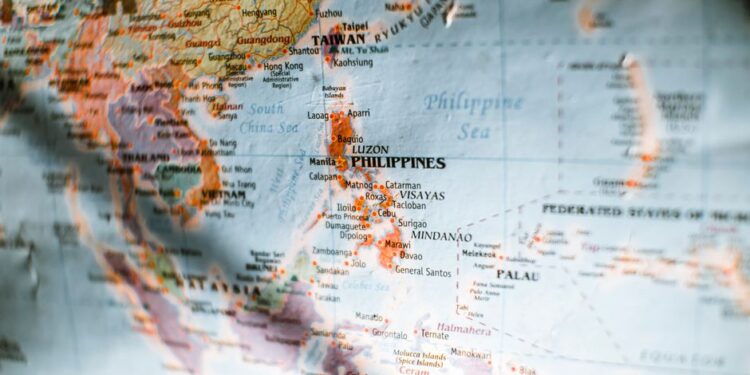
This move is particularly timely as global trade dynamics are shifting, with countries seeking to strengthen their economic ties through multilateral agreements.

The Philippines, the United Arab Emirates, and Indonesia are starting talks to join the Comprehensive and Progressive Agreement for Trans-Pacific Partnership (CPTPP). This is an important step in boosting free trade among these nations and current members. Senior officials from the CPTPP’s 12 member countries began discussions on June 26, 2026, marking a new phase in global trade.
This move comes at a crucial time. Global trade dynamics are changing, and countries want to strengthen economic ties through agreements. The CPTPP began as a U.S. initiative but has grown into a key trade bloc in the Asia-Pacific region. It includes major economies like Japan, Canada, and Australia. Adding the Philippines, UAE, and Indonesia could reshape trade competition in the area.
Impact on Trade Tariffs and Regulations for Exporters
The CPTPP talks could lead to lower trade tariffs for exporters in the Philippines, UAE, and Indonesia. Currently, businesses face various tariffs when trading with CPTPP countries. According to Career Ahead’s analysis, joining the CPTPP might reduce tariffs by up to 85% for many goods. This would make exports more competitive in these markets.
The Philippines, which relies heavily on agricultural exports, stands to gain a lot. The CPTPP could help Filipino farmers and exporters access markets in Canada and Japan, where demand for tropical fruits and seafood is high. The UAE’s diverse economy, with a strong logistics and trade sector, could also benefit from lower tariffs.
This will reduce the bureaucratic burden on exporters, helping businesses adapt quickly to market changes and fostering growth in the export sector.
You may also like
 Industry & Global Trends
Netflix Closes Two Game Studios Amid Shift to TV-Based Gaming
Netflix's closure of two game studios marks a significant shift in the gaming industry, moving from mobile to TV-based gaming, impacting developers and the job…
Read More →Indonesia, rich in natural resources, might see increased demand for its palm oil and rubber exports. The CPTPP will set common trade rules, likely simplifying regulatory processes. This will reduce the bureaucratic burden on exporters, helping businesses adapt quickly to market changes and fostering growth in the export sector.
As countries negotiate their accession, they must align local regulations with CPTPP standards. This will create new roles in compliance and negotiation, especially for trade professionals. Career Ahead research shows that companies will need experts who understand CPTPP regulations to navigate these changes. As noted by Bloomberg, these talks are a significant step for these nations in expanding free-trade ties, leading to greater economic cooperation in the Asia-Pacific region.
Market Expansion Opportunities for Businesses in Member Countries
The accession of the Philippines, UAE, and Indonesia to the CPTPP opens up major market expansion opportunities for businesses in these countries. Together, they have a population of over 300 million, representing a large consumer base for CPTPP member countries. As trade barriers decrease, businesses can explore new markets and diversify their customer bases.
As businesses adapt to new market dynamics, there will be a growing need for skilled professionals in international business development and trade negotiation.
For Filipino exporters, the CPTPP could mean better access to high-value markets in Japan and Canada, where premium products are in demand. This could push local businesses to innovate and improve product quality to meet international standards. Similarly, UAE businesses could expand into Southeast Asia, using their established logistics networks to facilitate trade.
Indonesia’s participation in the CPTPP could attract foreign investment, especially in manufacturing and agriculture. Lower tariffs and better trade relations can make Indonesia a more appealing destination for companies wanting to enter Southeast Asia. This influx of investment can create jobs and boost economic growth, benefiting local communities. According to Portcalls, the CPTPP’s expansion is expected to enhance trade flows and economic integration, crucial for regional development.
You may also like
 Industry & Global Trends
Gulf Oil Giants Bypass Strait of Hormuz with Billions
Gulf oil companies are investing billions to develop alternative pipelines and maritime routes, reducing reliance on the Strait of Hormuz amid rising geopolitical tensions.
Read More →
As businesses adapt to new market dynamics, there will be a growing need for skilled professionals in international business development and trade negotiation. Career Ahead’s analysis indicates that demand for these roles will rise as companies seek to take advantage of new opportunities from CPTPP membership. The changing landscape will require professionals who can navigate international trade agreements and compliance, ensuring their companies stay competitive.
The implications of the CPTPP accession talks go beyond trade; they show a shift in how countries in the Asia-Pacific region approach economic cooperation. As these nations collaborate to improve trade relationships, the potential for shared growth becomes clear.
As the CPTPP talks progress, businesses and trade professionals must stay informed and prepare for upcoming changes. The evolving trade landscape will bring both challenges and opportunities, and those who adapt will succeed in this new environment.
International business developers should focus on understanding the CPTPP’s regulatory framework and identifying market opportunities.
Frequently Asked Questions
What are the benefits of CPTPP for trade negotiators in Asia?
Career Ahead’s analysis shows that trade negotiators in Asia will gain from better collaboration and improved market access as countries work together under the CPTPP framework. Skilled negotiators will be needed to navigate complex trade agreements and advocate for their nations.
How will CPTPP affect export strategies for managers in the Philippines?
With the CPTPP, export managers in the Philippines can expect lower tariffs and streamlined regulations. This will allow for more competitive pricing in international markets and encourage managers to innovate and adjust their strategies.

What should international business developers do to prepare for CPTPP changes?
International business developers should focus on understanding the CPTPP’s regulatory framework and identifying market opportunities. Staying updated on changes in trade policies will be crucial for seizing new business prospects from the accession talks.
You may also like
 Industry & Global Trends
Pharma Exports Hit $8.1bn, U.S. Dominates Demand
The increase in exports is driven by various factors, including the growing reliance on affordable generic medicines and the expansion of India's pharmaceutical manufacturing capabilities.
Read More →