Seabirds from Peru and Chile were documented in Panama Bay in August 2026 as the El Niño warmed the eastern Pacific, prompting new educational modules on climate impacts.
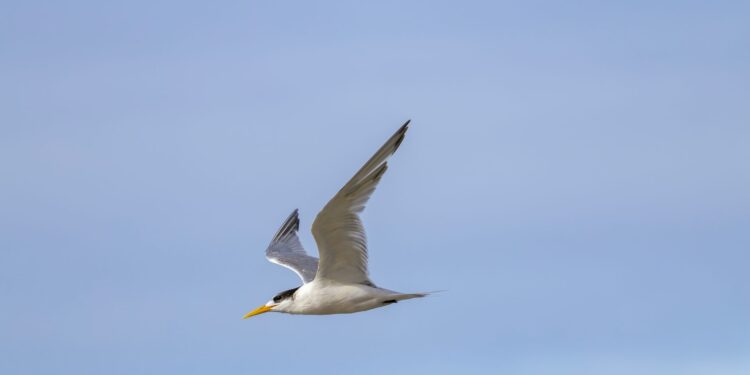
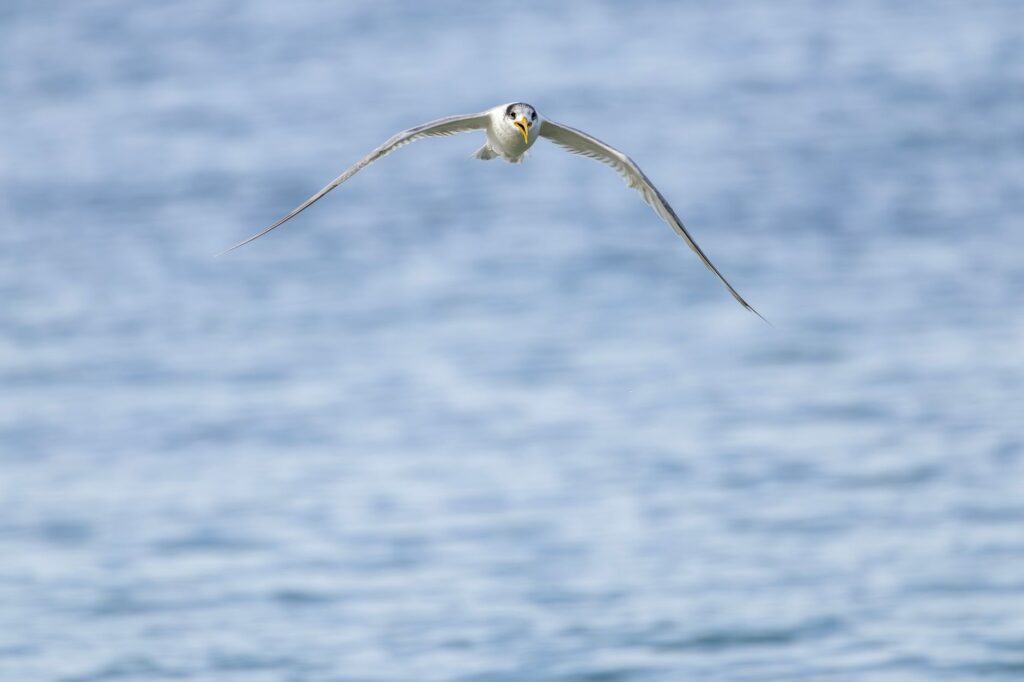
Flocks of seabirds native to the cold, nutrient-rich waters off Peru and Chile were observed in Panama Bay in August 2026.
The sightings occurred while the 2026 El Niño event continued to warm the eastern Pacific, a condition confirmed by Panama’s Institute of Meteorology and Hydrology (IMHPA) when it issued an El Niño alert in May 2026 [4].
The birds involved include several species of pelagic seabirds that breed along the South American coast, such as Peruvian pelicans and Chilean guanay cormorants [1][3]. Researchers from the Panamanian Institute of Meteorology and Hydrology, local universities, and international ornithological groups monitored the displacement through aerial surveys and satellite-linked tracking devices [2][3]. The displacement resulted from elevated sea-surface temperatures that reduced upwelling of nutrient-rich waters off Peru and Chile, prompting the birds to seek cooler foraging grounds farther north [2][3].
Ocean Warming and Bird Migration Patterns
The 2026 El Niño has produced sea-surface temperature anomalies of 2°C to 3°C above the long-term average in the eastern Pacific, as shown by NOAA’s Coral Reef Watch maps referenced in the Birding University brief [2]. Warmer surface waters suppress the upwelling of cold, nutrient-laden currents that sustain the planktonic food chain supporting seabird colonies in Peru and Chile [2][3].
Satellite observations recorded a northward shift in the distribution of chlorophyll-a concentrations, indicating reduced productivity in traditional feeding zones and a relative increase near Panama’s coastal waters [2]. Field teams documented the arrival of at least three distinct flocks, each comprising dozens of individuals, in Panama Bay between 10 and 15 August 2026 [1][3]. The birds were observed feeding on small fish and squid that had moved into the warmer waters, confirming a direct ecological response to the temperature shift [1][3].
The birds involved include several species of pelagic seabirds that breed along the South American coast, such as Peruvian pelicans and Chilean guanay cormorants [1][3].
Institutional Monitoring and Educational Initiatives
IMHPA coordinated with Panama’s National Institute of Biodiversity and the University of Panama to compile real-time data on sea-temperature changes, bird counts, and precipitation anomalies [4]. The collaborative effort produced daily bulletins that were disseminated to regional fisheries, conservation NGOs, and school districts [3].
In response to the observed migration, several Panamanian universities have introduced short-term modules on climate-driven ecosystem change within biology and environmental science curricula [3]. The modules use the seabird displacement as a case study, incorporating satellite data, field observations, and statistical analysis of species movement patterns [3].
Impact on Readers
Students and educators in Panama and neighboring countries now have access to current, location-specific data on how large-scale climate events affect wildlife distribution [3]. Conservation practitioners can incorporate the August 2026 seabird observations into management plans for coastal marine protected areas, adjusting monitoring protocols to account for potential northward range expansions [1][2].
The ongoing El Niño is projected to maintain higher temperatures and reduced rainfall across Panama for the remainder of 2026, influencing agricultural planning, water resource management, and public health [4]. Stakeholders in fisheries may need to anticipate altered fish stock locations as the food web adjusts to the warmer ocean conditions [2].
Anup Bagchi, with over three decades in financial services, is set to lead HDFC Bank starting October 27, 2026, following the retirement of Sashidhar Jagdishan.
What: Seabirds native to Peru and Chile were recorded in Panama Bay during the 2026 El Niño.
Impact on Readers Students and educators in Panama and neighboring countries now have access to current, location-specific data on how large-scale climate events affect wildlife distribution [3].
When: Displacement reported in August 2026; El Niño alert issued in May 2026.
Impact: Provides real-time evidence of climate-driven wildlife shifts for educators, researchers, and conservation managers.
Sources
Displaced by El Niño, South American seabirds flock to Panama – Reuters
Birds & Nature: El Niño 2026 – Birding University
El Niño Displaces Seabirds to Panama Bay – Career Ahead Education News
Panamá entra en alerta por El Niño y prevén impactos durante todo 2026 – Infobae



News