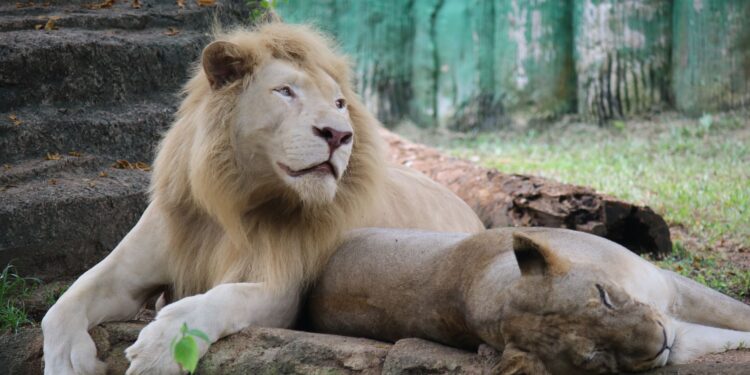
Three female lions died between July 28 and August 2, 2026, after a period of record heat in Japan. The deaths are the first lion fatalities at the park since it began keeping the species in 1964.
The Tokyo metropolitan government and the Tokyo Zoological Park Society confirmed that the three lionesses—aged three, eleven, and fifteen—succumbed to suspected heatstroke at Tama Zoological Park in Hino, a western suburb of Tokyo [1].
The deaths occurred amid Japan’s hottest summer on record, with daytime temperatures exceeding 35°C and humidity above 80% during the latter half of July [1].
Zoo officials reported that ten of the park’s sixteen lions exhibited symptoms such as loss of appetite and reduced activity beginning in mid-July [3].
Staff responded by increasing water-spraying in the enclosures and administering intravenous fluid drips to the affected animals [2].
Despite these measures, the three lionesses died between July 28 and August 2 [1].
Incident Details and Timeline
The first lion death was recorded on July 28, when a three-year-old female was found unresponsive in her enclosure [1].
Two additional deaths followed on July 31 and August 2, involving an eleven-year-old and a fifteen-year-old female respectively [1].
Incident Details and Timeline The first lion death was recorded on July 28, when a three-year-old female was found unresponsive in her enclosure [1].
All three deaths were attributed to heatstroke after veterinary examinations ruled out infectious disease or poisoning [2].
The park’s lion population consists of sixteen individuals, originally acquired from various breeding programs since the zoo opened its lion exhibit in 1964 [1].
The ten lions showing clinical signs were monitored daily, with veterinarians noting dehydration, elevated body temperature, and lethargy [3].
The zoo’s emergency response protocol called for immediate cooling, hydration, and, where necessary, intravenous therapy [2].
Anup Bagchi, with over three decades in financial services, is set to lead HDFC Bank starting October 27, 2026, following the retirement of Sashidhar Jagdishan.
Three Lions Die of Suspected Heatstroke at Tokyo’s Tama Zoological Park
Tama Zoological Park’s management announced that staff intensified water-spraying over the lion habitat from July 15 onward, installing additional misting systems and fans to lower ambient temperature [2].
Veterinarians also placed the lions on a schedule of regular fluid administration via intravenous drips to counteract dehydration [3].
The zoo’s director, Dr. Hiroshi Tanaka of the Tokyo Zoological Park Society, stated that the facility had previously relied on shade structures and natural ventilation, but the unprecedented heat required supplemental cooling methods [4].
The park has since commissioned a review of its climate-control infrastructure, including the potential installation of permanent evaporative cooling units and upgraded enclosure design to mitigate future extreme-weather risks [2].
The park has since commissioned a review of its climate-control infrastructure, including the potential installation of permanent evaporative cooling units and upgraded enclosure design to mitigate future extreme-weather risks [2].
Broader Context of Animal Welfare Concerns
Japan’s summer of 2026 has been characterized by a series of heatwaves, with the Japan Meteorological Agency reporting the highest average temperatures in the nation’s recorded history [1].
The deaths at Tama Zoo have prompted animal-welfare groups to call for stricter standards for temperature monitoring and emergency care in zoological institutions [4].
The incident is the first recorded lion mortality at Tama Zoological Park since its inception, highlighting the vulnerability of large carnivores to climate-induced stress [1].
Conservation organizations note that captive breeding programs rely on the health of individual animals, and heat-related losses could affect genetic diversity goals for endangered species [3].
Impact on Readers
Three Lions Die of Suspected Heatstroke at Tokyo’s Tama Zoological Park
Students studying zoology, veterinary medicine, or environmental science may reference the incident as a case study of heat stress management in captive wildlife [2].
Educators can use the event to illustrate the practical challenges of animal welfare under climate change, reinforcing curriculum topics on thermoregulation and emergency veterinary care [3].
Current and prospective zoo visitors are likely to encounter updated signage at Tama Zoological Park describing the new cooling measures and the park’s commitment to animal health [4].
World food prices surged in September 2026, reaching their highest level in nearly four years due to extreme weather conditions and rising agricultural input costs.…
The incident may influence public perception of zoo management practices, potentially affecting attendance figures during the remainder of the summer season [1].
The incident may influence public perception of zoo management practices, potentially affecting attendance figures during the remainder of the summer season [1].
Key Facts
What: Three female lions died of suspected heatstroke at Tama Zoological Park.
When: Deaths occurred between July 28 and August 2, 2026, during a record-heat period.
Impact: The event underscores immediate animal-welfare challenges for zoos facing extreme heat and informs students, educators, and visitors about heightened health-monitoring protocols.
Sources
Three lions die of suspected heatstroke at zoo amid Japan’s ‘cruelly hot’ summer – The Independent
Three lions die at Japanese zoo amid extreme temperatures – ABC News
3 lions die at Tokyo zoo from suspected heatstroke as Japan bakes in … – CBS News
Three lions die of suspected heatstroke at Tokyo zoo as Japan swelters … – The Guardian



 News
News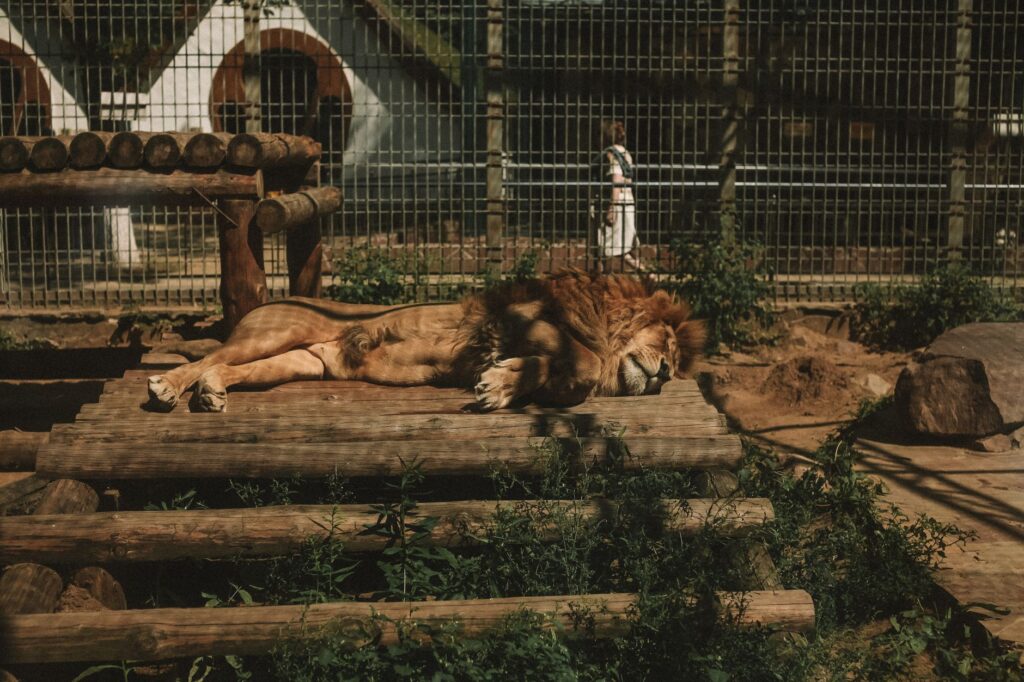
News